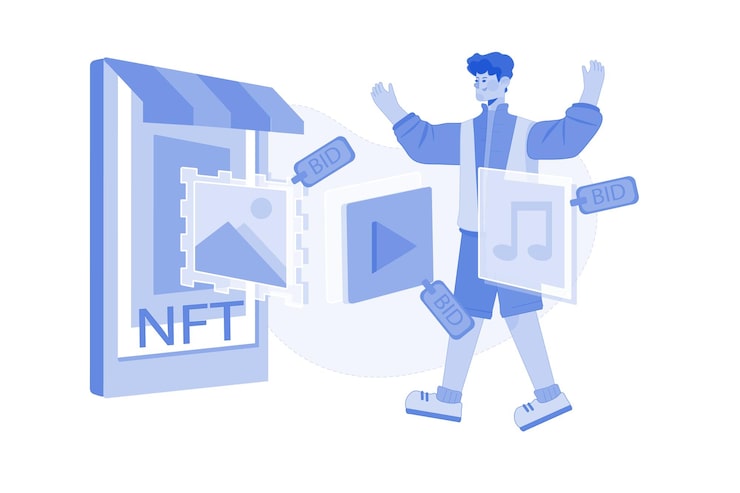
The digital art world experienced a seismic shift when non-fungible tokens burst onto the scene, but the introduction of video-based NFTs has created an entirely new dimension for collectors and creators alike. Unlike static images that dominated the early NFT marketplace, video NFTs bring motion, narrative, and temporal elements into the equation, fundamentally changing how people interact with digital ownership. This evolution represents more than just a technical upgrade; it signals a maturation of the entire blockchain-based art ecosystem.
Traditional art collecting always revolved around physical objects that could be displayed, stored, and passed down through generations. The transition to digital ownership initially faced skepticism, particularly around the concept of owning something that could theoretically be copied with a simple screenshot. Video NFTs amplify this conversation while simultaneously providing compelling answers. The ability to own a unique video file verified on the Ethereum blockchain or other distributed ledgers creates authenticated scarcity in a medium previously considered infinitely reproducible. Artists working in animation, cinematography, and digital media production now have unprecedented opportunities to monetize their creative output without relying on traditional gatekeepers.
The technical infrastructure supporting video NFTs differs significantly from their static counterparts. File sizes for high-quality video content can range from megabytes to gigabytes, creating storage challenges that simple JPEG or PNG files never presented. This reality pushed the development of decentralized storage solutions like IPFS and Arweave, where the actual video content lives while the blockchain records ownership and transaction history. Understanding this architecture matters because it addresses one of the most common concerns potential collectors raise: what exactly am I purchasing when I buy a video NFT?
The Technical Foundation of Video NFTs
Video NFTs operate on smart contract protocols that define ownership rights, royalty structures, and transferability conditions. Most video NFTs utilize the ERC-721 standard on Ethereum, though alternatives like Tezos, Solana, and Polygon have gained traction due to lower transaction fees and reduced environmental impact. The smart contract serves as an immutable record that connects a specific wallet address to a unique token identifier, which in turn points to the video file stored on decentralized networks.
The minting process for video NFTs involves several technical steps that creators must navigate. First, the video file itself needs preparation, often requiring compression to balance quality with file size constraints. Many platforms recommend specific codecs and resolution settings to ensure compatibility across different viewing interfaces. Once prepared, the creator uploads the file to a storage solution, receiving a unique content identifier hash that becomes part of the token metadata. This hash functions as a permanent fingerprint, ensuring the video cannot be altered or replaced without changing the fundamental nature of the NFT itself.
Metadata plays a crucial role in video NFT functionality. Beyond basic information like title, creator name, and description, metadata can include technical specifications such as frame rate, duration, resolution, and codec information. Some creators embed additional layers of data describing the artistic concept, production methods, or contextual information that enhances the collector experience. This metadata lives alongside the ownership record on the blockchain, creating a comprehensive digital provenance trail that accompanies the artwork throughout its existence.
Market Dynamics and Valuation Factors
Pricing mechanisms for video NFTs reflect a complex interplay of artistic merit, creator reputation, technical quality, and market sentiment. Unlike traditional art markets where auction houses and galleries establish value through curated scarcity, video NFT marketplaces allow direct creator-to-collector transactions with transparent pricing history visible to all participants. This transparency cuts both ways: it democratizes access to market information while potentially creating herd mentality around trending pieces.
Established digital artists who transition into video NFTs often command premium prices based on their existing follower base and artistic credentials. However, the market has also witnessed unknown creators achieving substantial sales through viral marketing, community building, and innovative artistic approaches. The duration of a video piece influences its perceived value, though not in linear fashion. A fifteen-second loop can command higher prices than a three-minute narrative if the shorter work demonstrates exceptional creativity or cultural resonance.
Rarity mechanics factor heavily into video NFT valuations. Creators can mint single editions for maximum scarcity or produce limited series with variations. Some artists create tiered collections where base versions sell at accessible price points while rare variants with additional features or extended footage command premium amounts. This approach mirrors strategies from physical art prints and collector card markets, adapted for the digital realm with programmatic enforcement through smart contract logic.
Secondary market activity provides insight into long-term value retention for video NFTs. Platforms like OpenSea, Foundation, and SuperRare track resale prices, allowing analysts to identify appreciation patterns and collector behavior trends. Video pieces that maintain or increase value typically share characteristics: strong artistic vision, technical excellence, cultural relevance, and active creator engagement with their community. Conversely, works that depreciate often suffer from poor initial pricing strategy, lack of creator follow-through, or simply getting lost in an oversaturated marketplace.
Creative Possibilities and Artistic Expression
Video NFTs unlock creative territories impossible with static images. Motion graphics artists can showcase work that previously had limited monetization paths outside commercial client projects. Experimental filmmakers find audiences willing to collect short-form visual narratives without requiring feature-length productions. 3D animators render complex scenes knowing collectors will appreciate the technical craftsmanship involved in every frame.
Looping animations represent a particularly popular video NFT format. These seamless cycles can run indefinitely, creating mesmerizing visual experiences suited for digital display in homes and virtual galleries. The constraint of creating perfect loops pushes artists toward mathematical precision and aesthetic harmony, resulting in works that function almost like moving meditation pieces. Collectors often describe the appeal as having a digital fireplace or aquarium, something that adds ambient beauty to their environment through constant gentle motion.
Narrative video NFTs take a different approach, using the medium to tell stories within compressed timeframes. These pieces might feature character development, plot progression, or thematic exploration condensed into one to five-minute experiences. Some creators serialize their narratives, releasing connected video NFTs that build a larger story world over time. This strategy creates ongoing collector engagement and potential value appreciation as earlier installments gain historical significance within the complete narrative arc.
Generative video NFTs push technical boundaries by using algorithms to create unique variations for each minted token. Rather than releasing identical copies, these projects employ code that generates distinctive visual outputs based on blockchain data, random number generation, or buyer wallet characteristics. Each collector receives a genuinely one-of-a-kind piece despite the underlying algorithmic framework remaining consistent across the collection. This approach merges traditional artistic vision with computational creativity in ways that challenge conventional definitions of authorship and originality.
Collection Strategies and Portfolio Building
Serious collectors approach video NFTs with strategies ranging from pure aesthetic appreciation to speculative investment. Understanding different collection philosophies helps new participants develop their own approach aligned with personal goals and risk tolerance. Some collectors focus exclusively on established artists with proven track records, viewing video NFTs as digital equivalents to blue-chip contemporary art. This conservative strategy prioritizes value preservation over explosive growth potential.
Thematic collecting allows enthusiasts to build coherent portfolios around specific subjects, styles, or movements. A collector might focus exclusively on abstract motion graphics, sci-fi narratives, or works addressing environmental themes. This specialization creates expertise in particular niches, potentially identifying undervalued pieces before broader market recognition. Thematic collections also gain coherence that enhances overall portfolio presentation, particularly important for collectors planning eventual resale or institutional placement.
Supporting emerging artists represents another collection philosophy with different risk-reward profiles. Early adoption of promising creators can yield substantial returns if those artists gain recognition, though many emerging talents never achieve widespread success. This approach requires active community participation, attending virtual exhibitions, following creator social media channels, and developing intuition about artistic potential. The financial barrier remains lower than collecting established names, making this strategy accessible to collectors with modest budgets.
Cross-platform collecting strategies recognize that video NFTs exist across multiple blockchain networks and marketplaces. Ethereum-based pieces offer maximum liquidity and market depth but come with higher gas fees. Tezos attracts environmentally conscious collectors and artists prioritizing energy efficiency. Solana provides fast transactions and low costs, though with less established secondary markets. Sophisticated collectors maintain presence across multiple ecosystems, diversifying both technological risk and artistic exposure.
Display and Experience Considerations
Owning video NFTs raises practical questions about display and enjoyment that differ from traditional digital files or physical artworks. Digital frames designed for NFT display have evolved rapidly, offering features like wallet connectivity, automatic content rotation, and high-resolution screens that do justice to detailed animation work. These devices range from affordable consumer models to gallery-quality displays costing thousands of dollars, creating a spectrum of options matching different collector priorities.
Virtual galleries and metaverse spaces provide alternative display contexts where collectors can showcase their video NFT portfolios. Platforms like Spatial, Cryptovoxels, and Decentraland allow users to create three-dimensional exhibition spaces where visitors can experience collections in immersive environments. These virtual contexts suit video NFTs particularly well since the digital-native medium requires no translation between physical and virtual realms. Collectors can program their spaces to enhance the viewing experience through environmental design, audio integration, and interactive elements.
Social display through profile pictures and featured collections on marketplace platforms serves important community and status functions. Many collectors treat their public portfolios as curated exhibitions, carefully selecting which pieces to feature prominently. This social dimension creates feedback loops where visibility drives value, and valuable pieces gain visibility. Understanding these dynamics helps collectors make strategic decisions about which acquisitions to highlight versus hold privately.
Legal and Rights Considerations

Intellectual property rights associated with video NFTs remain complex and often misunderstood. Purchasing a video NFT typically grants ownership of the specific token and associated display rights, but does not automatically transfer copyright, reproduction rights, or commercial usage rights. These additional rights require explicit transfer through licensing terms embedded in the smart contract or accompanying legal agreements. Collectors planning commercial use of acquired video NFTs must carefully review what rights the purchase actually conveys.
Creator royalties built into smart contracts represent one of the most revolutionary aspects of video NFT infrastructure. Most platforms allow creators to program perpetual royalty percentages into their works, ensuring they receive a cut of every secondary sale. These royalties typically range from five to fifteen percent, creating ongoing revenue streams that traditional art markets never provided. This mechanism fundamentally alters creator incentives and economic sustainability, though debate continues about optimal royalty rates and enforcement mechanisms.
Provenance tracking through blockchain records solves authentication problems that plague traditional art markets. Every transaction, ownership transfer, and price point becomes permanently recorded in an immutable ledger accessible to anyone. This transparency eliminates questions about authenticity and ownership history that can cloud traditional art transactions. However, the permanence also means mistakes, fraudulent listings, or controversial associations become permanent parts of an artwork’s history, potentially affecting long-term value.
Market Infrastructure and Platform Ecosystem
Marketplace platforms for video NFTs have specialized features accommodating the unique requirements of moving image media. Video playback quality, streaming reliability, and bandwidth optimization matter far more than with static images. Leading platforms invest heavily in content delivery networks and transcoding infrastructure to ensure smooth viewing experiences regardless of collector location or internet connection quality. These technical investments separate professional platforms from amateur operations unable to handle video hosting demands.
Curation models vary significantly across different marketplaces. Some platforms maintain strict application processes where artists must gain approval before minting, creating perceived quality floors that attract serious collectors. Open marketplaces allow anyone to mint and list video NFTs, democratizing access but creating signal-to-noise challenges for collectors trying to discover quality work. Hybrid approaches use algorithmic ranking, community voting, or featured collections to surface notable pieces while maintaining open access.
Transaction costs represent significant practical considerations for video NFT participants. Gas fees on Ethereum can exceed hundreds of dollars during network congestion, making small transactions economically impractical. Layer two scaling solutions like Polygon and Arbitrum offer reduced costs while maintaining Ethereum security properties. Alternative blockchains provide low-cost transactions but with reduced liquidity and smaller collector bases. Understanding these trade-offs helps creators and collectors choose appropriate platforms for their specific needs.
Cultural Impact and Community Dynamics
Video NFT communities extend beyond simple buyer-seller relationships into cultural movements with shared values and collective identity. Discord servers, Twitter spaces, and virtual meetups create social infrastructure where collectors and creators interact, share knowledge, and form relationships. These communities often develop internal status hierarchies based on collection quality, early adoption, or cultural contributions beyond financial participation. Understanding community dynamics becomes essential for anyone seeking more than transactional involvement.
Collaborative projects blur lines between creators and collectors, allowing community members to influence artistic direction, vote on creative decisions, or contribute directly to ongoing works. Some video NFT projects function almost like participatory art experiments where the final form emerges through collective input rather than singular artistic vision. This collaborative approach resonates with internet-native audiences accustomed to remix culture and collective creation, though it challenges traditional notions of artistic authorship.
Cultural commentary and social critique find powerful expression through video NFTs. Artists address political issues, environmental concerns, and social justice themes through moving image works that reach global audiences without geographic or institutional gatekeepers. The permanence of blockchain storage ensures these cultural artifacts remain accessible regardless of changing political climates or platform policies. This dimension positions video NFTs as potential historical records documenting contemporary cultural moments and movements.
Future Developments and Emerging Trends

Interactive video NFTs represent the next frontier, incorporating viewer input that affects playback, branching narratives, or real-time generative elements. These works require sophisticated programming beyond simple video files, often incorporating game engine technology or custom software. Collectors of interactive pieces own not just a recording but a dynamic system capable of producing varied experiences. This evolution pushes video NFTs closer to software art and away from traditional moving image media.
Augmented reality integration allows video NFTs to escape screen boundaries and interact with physical environments. Collectors can use mobile devices or AR glasses to project their video pieces onto walls, overlay them onto real-world locations, or create mixed reality experiences combining digital and physical elements. This technological direction addresses criticism that digital art lacks physical presence, creating hybrid experiences that bridge virtual and tangible realms.
Artificial intelligence tools are transforming video NFT creation workflows. Text-to-video generation, style transfer algorithms, and automated animation tools lower technical barriers for creators without traditional motion graphics skills. However, these developments also raise questions about artistic value when production becomes increasingly automated. The market response remains mixed, with some collectors specifically seeking AI-generated works while others prize traditional hand-crafted animation techniques.
Fractional ownership models allow multiple collectors to share ownership of high-value video NFTs, democratizing access to premium works while creating new complexity around display rights and governance. These fractionalized pieces function like shares in a company, with smart contracts managing ownership percentages and voting rights. Secondary markets for fractional shares create additional liquidity and price discovery mechanisms, though regulatory uncertainty surrounds these quasi-security instruments.
Risk Factors and Market Challenges
Market volatility affects video NFT values more severely than established art markets. Cryptocurrency price fluctuations create instability in NFT valuations since most transactions occur in crypto rather than fiat currency. A piece priced at three Ethereum tokens might represent vastly different dollar values depending on Ethereum’s market price at any given moment. This volatility introduces currency risk alongside artistic and market risk, compounding uncertainty for collectors treating purchases as investments.
Copyright infringement and unauthorized minting plague video NFT marketplaces. Bad actors sometimes mint NFTs of videos they did not create, attempting to profit from others’ work. While blockchain records prove who minted a token, they cannot verify whether that person had legitimate right to tokenize the underlying content. Platforms implement varying degrees of verification and takedown procedures, but collectors must exercise caution and verify creator authenticity before purchasing.
Environmental concerns around blockchain energy consumption have particularly affected video NFTs given their larger file sizes and more complex transactions. While Ethereum’s transition to proof-of-stake dramatically reduced energy usage, public perception challenges remain. Some artists specifically choose low-energy blockchains like Tezos to align their practice with environmental values, creating market segmentation along sustainability lines.
Technological obsolescence presents long-term preservation challenges. Video codecs, file formats, and playback software evolve continuously. Will today’s video NFTs remain viewable decades from now when current technologies become obsolete? Decentralized storage solutions provide some protection against data loss, but format migration and continued accessibility require ongoing attention from platforms, collectors, and preservation-focused organizations.
Conclusion
Video NFTs represent a fundamental evolution in how digital art gets created, collected, and valued. The addition of motion, sound, and temporal dimensions to blockchain-verified ownership creates opportunities impossible with static images alone. Artists working in animation, film, and motion graphics now access global markets without traditional intermediaries, while collectors build portfolios of authenticated digital moving image works with transparent provenance and programmed royalty structures.
The technical infrastructure supporting video NFTs continues maturing, with improvements in storage solutions, display options, and blockchain efficiency addressing early adoption challenges. Market dynamics show increasing sophistication as participants develop collection strategies, valuation frameworks, and community standards. While speculation drove initial interest, genuine appreciation for artistic merit and cultural significance increasingly drives serious collecting activity.
Challenges remain around legal frameworks, environmental impact, and long-term preservation. Market volatility creates risk alongside opportunity, and participants must navigate technical complexity that intimidates newcomers. However, the fundamental value proposition of authenticated digital ownership combined with the expressive power of moving images suggests video NFTs will continue transform
How Video NFTs Differ from Static Image NFTs in Technical Implementation

The emergence of video NFTs has introduced a new layer of complexity to the blockchain-based digital ownership landscape. While static image NFTs revolutionized how we think about digital art ownership, video NFTs present unique technical challenges that require different approaches to storage, verification, and display. Understanding these differences is essential for creators, collectors, and platforms navigating this evolving market.
At the most fundamental level, video NFTs differ from their static counterparts in file size and storage requirements. A typical JPEG or PNG file for a static NFT might range from a few hundred kilobytes to several megabytes. Video files, however, can easily exceed hundreds of megabytes or even gigabytes, depending on resolution, duration, and compression settings. This size disparity creates immediate challenges for blockchain storage, as most networks charge fees based on data size and computational resources required for transaction processing.
The Ethereum blockchain, which hosts the majority of NFT activity, stores data in blocks with specific size limitations. Recording a high-resolution video directly on-chain would be prohibitively expensive and technically impractical. This reality has led to the development of off-chain storage solutions that work in conjunction with blockchain technology. The actual video file typically resides on decentralized storage networks like IPFS (InterPlanetary File System) or Arweave, while the blockchain maintains a permanent record of ownership and a content identifier that points to the file location.
This hybrid approach introduces a critical technical distinction. Static image NFTs often benefit from having the actual image data stored directly on-chain or using simpler hash references. Video NFTs, by necessity, rely more heavily on external storage infrastructure. The smart contract associated with a video NFT contains metadata that includes the content hash, a unique cryptographic fingerprint of the video file. Any alteration to the video would produce a different hash, ensuring the integrity of the original work even though the file exists off-chain.
Encoding and compression methods represent another significant technical difference. Static images typically use standard formats like JPEG, PNG, or GIF. Video NFTs must contend with various codec options, container formats, and compression algorithms. Creators might choose H.264 for broad compatibility, H.265 for better compression efficiency, or VP9 for open-source advantages. The choice of codec affects file size, playback compatibility across different platforms, and ultimately the accessibility of the NFT to potential buyers.
Container formats like MP4, MOV, or WebM wrap the encoded video data along with audio tracks and metadata. Each format has distinct technical specifications that influence how marketplaces and wallets can display the content. A marketplace might need to implement multiple video players or transcoding services to ensure that all video NFTs display correctly regardless of the original format chosen by the creator. This requirement doesn’t exist with static images, which generally render consistently across platforms with minimal processing.
The minting process for video NFTs involves additional verification steps compared to static images. When a creator uploads a video to an NFT platform, the system must process the file to generate thumbnails, create preview clips, and potentially transcode the video into multiple formats for optimal streaming across different devices and connection speeds. This processing requires computational resources and time, making video NFT minting more resource-intensive than minting a simple image.
Smart contract architecture for video NFTs often incorporates more complex metadata structures. Beyond basic information like title, description, and creator address, video NFT contracts might include fields for duration, frame rate, resolution, aspect ratio, audio specifications, and chapter markers. This expanded metadata helps platforms organize and filter video content while providing collectors with detailed information about their digital assets.
Streaming technology plays a crucial role in video NFT implementation. Unlike static images that load entirely before display, videos benefit from adaptive streaming protocols that deliver content in segments based on the viewer’s bandwidth and device capabilities. Implementing such systems for NFT platforms requires integration with content delivery networks and streaming infrastructure that can handle the bandwidth demands of high-quality video playback.
Authentication and provenance verification work differently for video NFTs due to the complexity of the underlying files. While a static image can be quickly compared pixel-by-pixel to verify authenticity, video files require more sophisticated verification methods. The content hash serves as the primary authentication mechanism, but platforms might also implement watermarking techniques, frame-by-frame analysis, or audio fingerprinting to detect unauthorized copies or derivatives.
Storage Infrastructure and Decentralization Challenges
The decentralized storage networks that host video NFT files operate on fundamentally different principles than traditional cloud storage. IPFS uses content addressing, meaning files are retrieved based on their content hash rather than a location-based URL. When someone requests a video NFT, the IPFS network locates nodes storing that content and retrieves it in a distributed manner. This system provides redundancy and censorship resistance, but it also introduces latency considerations that don’t affect static image NFTs to the same degree.
Pinning services ensure that video files remain accessible on IPFS by keeping copies on dedicated nodes. Without pinning, files might become unavailable if no nodes continue hosting them. NFT platforms typically offer pinning as part of their service, but this creates a dependency that somewhat contradicts the decentralized ethos. Some platforms charge ongoing fees for maintaining video file availability, adding a recurring cost element absent from most static NFT implementations.
Arweave takes a different approach with permanent storage funded by a one-time upfront payment. The network’s economic model uses a storage endowment to pay for data replication in perpetuity. For video NFT creators concerned about long-term accessibility, Arweave offers advantages despite potentially higher initial costs. The technical implementation requires different integration approaches compared to IPFS, affecting how platforms architect their video NFT systems.
Bandwidth considerations significantly impact video NFT platforms in ways that don’t affect static image galleries. Streaming a collection of video NFTs to users requires substantially more network resources than displaying a grid of thumbnails. Platforms must implement caching strategies, progressive loading, and quality adjustment mechanisms to provide smooth user experiences. These technical requirements increase infrastructure costs and development complexity.
Display Technology and Cross-Platform Compatibility
Wallet applications and NFT marketplaces face distinct challenges when implementing video NFT display capabilities. A wallet that perfectly renders static image NFTs might struggle with video playback, especially on mobile devices with limited processing power or storage. Developers must implement video players that support various codecs, handle different aspect ratios, and provide playback controls appropriate for the platform.
Browser compatibility issues plague video NFT implementations more than static formats. While modern browsers generally support standard image formats consistently, video codec support varies. Safari, Chrome, and Firefox each have different levels of support for various video formats and features. Platforms must either limit acceptable video formats or implement fallback mechanisms that serve different versions based on browser capabilities.
Mobile applications add another layer of technical complexity. Native iOS and Android video players have distinct APIs and supported formats. An app that works flawlessly on one platform might encounter playback issues on another. Developers creating comprehensive NFT experiences must account for these platform-specific requirements, potentially maintaining separate codebases or using cross-platform frameworks that abstract these differences.
Virtual reality and augmented reality platforms represent emerging frontiers for NFT display, and video NFTs present unique opportunities and challenges in these contexts. Spatial audio, stereoscopic video, and 360-degree formats require specialized handling that goes far beyond traditional 2D video playback. Smart contracts and metadata structures must evolve to accommodate these advanced formats while maintaining backward compatibility with existing platforms.
The energy consumption and environmental impact of video NFTs differ from static alternatives primarily due to storage and streaming requirements rather than blockchain operations themselves. While minting any NFT on proof-of-work networks consumed significant energy, the ongoing energy cost of maintaining and serving video files exceeds that of static images. Decentralized storage networks require numerous nodes to maintain redundancy, and each streaming session consumes bandwidth and processing resources across multiple systems.
Transaction costs on blockchain networks affect video and static NFTs differently in practice. While the on-chain transaction to mint or transfer ownership has similar gas costs regardless of whether the NFT represents a video or image, the total cost structure differs. Video NFT creators face higher storage fees, potential ongoing pinning costs, and platform fees that reflect the greater technical resources required. These economic factors influence market dynamics and creator decisions about which formats to pursue.
Licensing and rights management grow more complex with video NFTs due to the potential inclusion of multiple creative elements. A video might incorporate music, voice acting, animation, and footage from various sources. The smart contract and associated metadata must clearly define what rights transfer with the NFT. Some implementations separate ownership of the NFT token from commercial usage rights, requiring additional legal frameworks beyond the technical implementation.
Metadata standards for video NFTs continue evolving as the market matures. While static NFTs broadly follow standards like ERC-721 and ERC-1155 on Ethereum, video-specific extensions remain under development. Proposed standards include fields for technical specifications, content ratings, accessibility features like subtitles, and multi-language support. Platforms implementing these standards early position themselves advantageously as the market converges around best practices.
Interoperability between platforms poses greater challenges for video NFTs than static alternatives. A collector who purchases a video NFT on one marketplace might find it displays incorrectly or not at all on another platform due to format incompatibilities or missing streaming infrastructure. Industry efforts toward standardization aim to address these issues, but the technical diversity of video implementations makes universal compatibility difficult to achieve.
Security considerations differ between video and static NFTs in several ways. Video files contain more potential attack vectors due to their complexity. Malicious actors might attempt to exploit vulnerabilities in video codecs or players to compromise systems. NFT platforms must implement robust security measures, including file scanning, codec validation, and sandboxed playback environments to protect users from potential threats hidden in video files.
The verification of video NFT authenticity requires more sophisticated tools than static image verification. While reverse image searches work well for detecting unauthorized copies of static NFTs, video comparison requires analyzing temporal sequences, audio tracks, and potentially subtle variations introduced through re-encoding. Blockchain timestamps and content hashes provide cryptographic proof of originality, but additional forensic tools help collectors confirm authenticity before purchase.
Scalability remains an ongoing concern for video NFT platforms. As collections grow and more creators enter the market, storage and bandwidth requirements scale differently than with static NFTs. A platform hosting millions of image NFTs might serve thumbnails with minimal infrastructure, but the same number of video NFTs demands exponentially more resources. Solutions include implementing tiered access, where low-resolution previews stream freely while full-quality playback requires authentication, or using peer-to-peer protocols that distribute bandwidth costs across the network.
Preview and discovery mechanisms work differently for video content. Static NFT marketplaces display grid layouts where each thumbnail represents the complete work. Video NFTs require representative frames, animated previews, or short clips that capture the essence of the work without streaming the entire file. Platforms must balance providing enough preview information for collectors to make informed decisions against bandwidth costs and intellectual property protection.
The technical implementation of video NFT trading differs from static NFTs primarily in terms of buyer verification before purchase. Collectors want confidence they’re buying what they expect, but streaming entire high-resolution videos to casual browsers would be economically unsustainable. Platforms implement various solutions including time-limited previews, watermarked full versions, or blockchain-gated access where only serious buyers can view complete works.
Smart contract functionality for video NFTs sometimes includes time-based or view-based restrictions that don’t apply to static works. A creator might implement an NFT that grants streaming access for a specific duration or number of views, after which the token expires or requires renewal. These programmable features require more complex contract logic than simple ownership transfer mechanisms used for static NFTs.
Future developments in video NFT technology will likely address current limitations through improved compression algorithms, more efficient streaming protocols, and enhanced blockchain scalability solutions. Layer 2 solutions like Polygon, Arbitrum, and Optimism reduce transaction costs and increase throughput, making video NFT interactions more economically viable. Continued development of decentralized storage networks will improve reliability and reduce costs for maintaining video file availability.
Conclusion
The technical implementation differences between video and static image NFTs extend far beyond simple file format distinctions. Video NFTs require sophisticated infrastructure for storage, streaming, and display that fundamentally changes how platforms, creators, and collectors interact with blockchain-based digital ownership. The reliance on decentralized storage networks, complex metadata structures, and resource-intensive streaming technology creates both challenges and opportunities in the evolving digital art market.
Understanding these technical distinctions helps all participants make informed decisions. Creators can choose appropriate formats and platforms based on their technical requirements and economic constraints. Collectors gain insight into what they’re actually purchasing and the ongoing infrastructure supporting their investments. Platform developers can architect systems that balance technical capability with user experience and economic sustainability.
As blockchain technology matures and storage solutions become more efficient, many current limitations will diminish. The convergence around technical standards will improve interoperability, making video NFTs more accessible and valuable. The market continues moving toward implementations that preserve the decentralized, censorship-resistant ideals of blockchain technology while delivering the seamless user experiences that mainstream adoption requires. These technical foundations being established today will shape how digital video art is collected, traded, and preserved for generations to come.
Question-answer:
How do video NFTs differ from traditional static NFT artwork?
Video NFTs represent a significant evolution from static images by incorporating motion, sound, and temporal elements into digital collectibles. While traditional NFTs typically consist of single images like profile pictures or digital paintings, video NFTs can include animations, short films, music videos, and interactive multimedia experiences. The key distinction lies in their ability to convey narratives and emotions through movement and audio, making them more immersive. Collectors value video NFTs for their complexity and the technical skill required to produce them. These dynamic assets often command higher prices due to production costs and artistic merit. Storage and display also differ – video NFTs require more blockchain space and specialized platforms that support video playback, whereas static images are simpler to host and view.
What technical challenges do collectors face when buying and storing video NFTs?
Collectors encounter several technical hurdles with video NFTs. File size presents the primary challenge, as videos consume significantly more storage than images, making on-chain storage expensive or impractical. Many projects store actual video files on decentralized storage systems like IPFS or Arweave, with only metadata and ownership records on the blockchain. This creates dependency on external storage remaining accessible. Bandwidth becomes another concern when viewing or transferring large video files. Collectors also need compatible wallets and display platforms that support video formats – not all NFT marketplaces handle video playback equally well. Quality preservation matters too, since video compression can degrade visual fidelity over time. Smart collectors verify where the actual video file resides and whether the hosting solution guarantees long-term availability before purchasing.
Are video NFTs more valuable than regular image NFTs?
Value depends on multiple factors beyond just the medium format. Video NFTs aren’t automatically more valuable than static images, though they often carry higher production costs. Market demand, artist reputation, scarcity, and cultural significance matter more than whether an NFT moves or stays still. Some of the most expensive NFTs ever sold were simple images or pixelated avatars. That said, video NFTs by established artists or those with strong conceptual frameworks tend to attract serious collectors willing to pay premium prices. The added production complexity – requiring animation skills, sound design, and editing – can justify higher valuations. Emerging artists sometimes find video NFTs help them stand out in saturated markets. But a poorly executed video will always lose to a compelling static image. Quality and artistic vision trump format every time.
Which platforms are best for buying and selling video NFTs?
Several marketplaces specialize in or strongly support video NFTs. OpenSea remains the largest general marketplace with robust video support, handling various formats and offering wide audience reach. Foundation focuses on curated, high-quality video art from established creators. Rarible provides another popular option with good video playback capabilities. For music videos and audio-visual work, platforms like Catalog and Sound.xyz cater specifically to musicians and audio artists. SuperRare curates premium video art with selective artist acceptance. Zora offers flexible smart contracts suitable for video projects. Each platform has different fee structures, audience demographics, and technical specifications. Consider factors like commission rates, community engagement, discoverability features, and whether the platform attracts your target collector base. Some artists use multiple platforms simultaneously to maximize exposure, while others prefer building presence on one dedicated marketplace.
Can I display my video NFTs like physical art in my home?
Yes, displaying video NFTs physically has become increasingly popular and accessible. Digital frames specifically designed for NFTs allow owners to showcase their collections on walls like traditional artwork. Devices like Infinite Objects create video-loop displays in physical frames, while companies like Tokenframe and Blackdot offer screens that connect directly to your wallet to display owned NFTs. Smart displays and tablets can also serve this purpose when mounted appropriately. Some collectors dedicate entire rooms with multiple screens showing rotating collections. The experience differs from physical art since you’re viewing backlit screens rather than reflected light, but modern displays offer impressive color accuracy and resolution. High-end collectors sometimes commission custom installations with professional-grade monitors. For public display, some galleries now feature digital screens alongside traditional paintings and sculptures. The technology continues improving, making home display of video NFTs more seamless and aesthetically pleasing for serious collectors who want to enjoy their acquisitions beyond just owning them digitally.