
The cryptocurrency market has witnessed countless spinoffs and meme-inspired tokens since Bitcoin first appeared in 2009. Among these digital assets, Baby Doge Coin emerged in June 2021 as a direct response to the massive popularity of Dogecoin, which itself started as a joke but grew into a legitimate cryptocurrency with a multi-billion dollar market capitalization. This particular token represents an interesting case study in how community-driven projects can capture attention in an increasingly crowded blockchain landscape.
Baby Doge Coin launched with an explicit connection to its predecessor, marketing itself as the offspring of the original Doge token. The project developers positioned it as a faster and more transaction-efficient alternative while maintaining the playful, community-focused spirit that made Dogecoin famous. Unlike many cryptocurrency projects that promise revolutionary technology or groundbreaking use cases, Baby Doge Coin openly embraced its meme origins and focused on building an engaged community of holders who believed in the token’s potential for both entertainment value and financial returns.
Understanding Baby Doge Coin requires examining the broader context of meme tokens in the cryptocurrency ecosystem. These digital assets often prioritize community engagement, viral marketing, and social media presence over technical innovation. While traditional blockchain projects might emphasize partnerships with enterprises, scalability solutions, or complex consensus mechanisms, meme tokens like Baby Doge Coin derive their value primarily from collective belief, social momentum, and the network effects created by large holder communities. This fundamental difference in value proposition makes analyzing these tokens a unique challenge that requires different metrics and evaluation criteria.
The tokenomics of Baby Doge Coin include several features designed to encourage long-term holding and reward existing investors. The smart contract implements a transaction tax mechanism where each transfer automatically redistributes a percentage to existing holders while another portion goes toward liquidity provision. This deflationary model with automatic rewards creates incentives for investors to maintain their positions rather than trading frequently. Additionally, the project has incorporated charity initiatives focused on animal rescue organizations, creating a narrative that extends beyond simple financial speculation and appeals to supporters who value social impact alongside potential returns.
Understanding the Dogecoin Legacy and Meme Token Evolution

Dogecoin first appeared in December 2013, created by software engineers Billy Markus and Jackson Palmer as a satirical commentary on the cryptocurrency speculation that was gaining momentum at the time. The token featured the Shiba Inu dog from the popular Doge meme, combining internet culture with blockchain technology in a way that seemed absurd yet somehow resonated with a growing audience. Despite its origins as a joke, Dogecoin developed a dedicated community that used the token for tipping content creators, funding charitable causes, and even sponsoring a NASCAR driver.
The legitimacy of Dogecoin increased dramatically when high-profile figures began publicly supporting it. Elon Musk’s frequent tweets about Dogecoin starting in 2019 and intensifying in 2021 brought unprecedented attention to the token, driving its price to all-time highs and creating a cultural phenomenon that extended far beyond typical cryptocurrency circles. Major exchanges listed the token, payment processors began accepting it, and mainstream media outlets covered its price movements alongside traditional assets like stocks and commodities.
This success of Dogecoin created a template that countless projects have attempted to replicate. Developers recognized that technical sophistication and real-world utility were not prerequisites for attracting investment in the cryptocurrency market. Instead, viral marketing, community engagement, and the right cultural timing could generate substantial value. This realization led to an explosion of animal-themed tokens, each attempting to capture some of the magic that propelled Dogecoin from obscurity to mainstream recognition.
Baby Doge Coin entered this crowded landscape with several strategic advantages. First, it explicitly positioned itself in relation to an already successful brand, allowing it to piggyback on the recognition and cultural cachet of Dogecoin. Second, it launched during a period of heightened interest in meme tokens, when retail investors were actively seeking the next big opportunity after witnessing the astronomical returns some early Dogecoin holders achieved. Third, it incorporated lessons from other token launches by implementing features like automatic redistribution and liquidity generation that addressed some criticisms leveled at earlier projects.
Technical Architecture and Blockchain Foundation
Baby Doge Coin operates on the Binance Smart Chain, a blockchain network that offers faster transaction speeds and lower fees compared to Ethereum, where many early tokens launched. This technical choice proved significant for the project’s accessibility, as high gas fees on Ethereum had become a barrier to entry for smaller investors who wanted to participate in token trading but found that transaction costs consumed an unreasonable portion of their investment capital.
The Binance Smart Chain uses a consensus mechanism called Proof of Staked Authority, which combines elements of Proof of Stake and Proof of Authority to achieve faster block times and higher throughput than traditional Proof of Work systems. This infrastructure allows Baby Doge Coin transactions to confirm in seconds rather than minutes, creating a smoother user experience for traders and holders. The lower computational requirements also mean smaller environmental impact, addressing one criticism frequently directed at cryptocurrencies that rely on energy-intensive mining operations.
The Baby Doge Coin smart contract implements several functions that differentiate it from simple transfer tokens. Each transaction automatically deducts a percentage that gets distributed across three destinations: a portion goes to existing holders proportional to their current balance, another portion gets paired with BNB and added to the liquidity pool on decentralized exchanges, and a final portion may be allocated to the project’s charity wallet or burned permanently to reduce total supply. These mechanisms create multiple incentives and value flows beyond simple price appreciation.
Security considerations for Baby Doge Coin include the typical vulnerabilities associated with smart contracts on the Binance Smart Chain. The project underwent audits from blockchain security firms to identify potential exploits or coding errors that could allow malicious actors to drain funds or manipulate tokenomics. These audits examine the contract code for common vulnerabilities like reentrancy attacks, integer overflow errors, and unauthorized access points. While audits provide some assurance, they cannot guarantee absolute security, and investors should understand that smart contract risk remains a factor when holding any token.
Tokenomics and Distribution Mechanisms

The total supply of Baby Doge Coin was set at a quadrillion tokens at launch, an enormous number that allows for very small per-token prices and creates a psychological effect where investors can hold millions or billions of tokens with relatively modest investments. This tokenomic design mirrors strategies used by other successful meme tokens and caters to retail investors who prefer owning large quantities of tokens rather than fractional amounts of more expensive assets.
The redistribution mechanism represents a core feature of the Baby Doge Coin value proposition. Every transaction triggers an automatic transfer of tokens to all existing holders, creating a passive income stream for investors who simply maintain their positions. This feature transforms holding from a purely speculative activity into something resembling a dividend-paying investment, though the tokens distributed as rewards only have value to the extent that the token itself maintains or increases its price.
Liquidity provision through automatic mechanisms addresses one of the persistent challenges facing new tokens. Many projects struggle with thin liquidity that creates high slippage and makes it difficult for investors to enter or exit positions without significantly moving the price. By automatically directing a portion of each transaction toward liquidity pools, Baby Doge Coin ensures that a growing reserve of paired assets supports trading activity, theoretically creating more stable pricing and better execution for traders.
Token burns permanently remove coins from circulation by sending them to an address from which they cannot be recovered. This deflationary pressure counteracts the inflationary effect of the enormous initial supply and creates a narrative of increasing scarcity over time. The project has conducted several large burn events, destroying trillions of tokens in single transactions and generating media coverage and community excitement around these supply reductions.
Market Performance and Price Analysis
Baby Doge Coin experienced typical patterns for meme token launches, with an initial spike driven by early adopters and speculators, followed by a correction as profit-taking occurred and initial excitement waned. The token reached its all-time high in the months following launch, coinciding with broader bullish sentiment in cryptocurrency markets and heightened interest in alternative tokens beyond Bitcoin and Ethereum.
Trading volume for Baby Doge Coin has fluctuated significantly based on market conditions and social media activity. Major price movements often correlate with tweets from influential accounts, announcements of exchange listings, or broader momentum in meme token sectors. This sensitivity to external catalysts rather than fundamental business developments reflects the nature of meme tokens, where sentiment and attention drive value more than traditional metrics like revenue or user growth.
The token has achieved listings on numerous cryptocurrency exchanges, both centralized platforms and decentralized protocols. These listings increase accessibility for potential investors and provide additional liquidity venues beyond the initial decentralized exchange where the token first became available. Each new exchange listing typically generates a price response as new buyer pools gain access and existing holders anticipate increased demand.
Comparing Baby Doge Coin’s performance to similar projects reveals both its successes and challenges. While it achieved significant market capitalization and holder counts, it has not replicated the extraordinary returns that very early Dogecoin investors experienced. The token exists in a more competitive environment with hundreds of similar projects vying for attention, making it harder for any single token to dominate mindshare the way Dogecoin did during its peak popularity.
Community Dynamics and Social Media Presence
The Baby Doge Coin community represents one of the project’s most significant assets. Across platforms like Twitter, Reddit, Telegram, and Discord, thousands of holders actively promote the token, create content, and organize initiatives to increase visibility. This grassroots marketing approach costs the project nothing in terms of paid advertising while generating substantial organic reach and engagement.
Social media metrics for Baby Doge Coin include hundreds of thousands of followers across various platforms, with particularly strong presence on Twitter where cryptocurrency communities congregate and influence price movements through coordinated attention and messaging. The community has created countless memes, videos, and graphics featuring the Baby Doge mascot, contributing to a recognizable brand identity that extends beyond the token itself.
Community initiatives have included organized social media campaigns aimed at getting Baby Doge Coin trending on various platforms, petition drives requesting listings on major exchanges, and coordinated efforts to increase holder counts through promotions and giveaways. These activities create a sense of collective purpose and investment beyond simple financial speculation, fostering loyalty and reducing the likelihood that holders will exit their positions at the first sign of price weakness.
The role of influencers and celebrity endorsements cannot be understated in the success of meme tokens. Baby Doge Coin has received attention from various social media personalities and entertainment figures, each mention potentially exposing the token to new audiences and driving temporary price increases. The project actively cultivates these relationships through community outreach and strategic engagement with accounts that have large followings in relevant demographic segments.
Charity Initiatives and Social Impact
Baby Doge Coin has positioned animal welfare as a core component of its mission, distinguishing itself from purely speculative tokens through tangible charitable activities. The project has donated substantial sums to animal rescue organizations, pet shelters, and veterinary services, creating a narrative that holders are participating in something beyond their own financial gain.
These charity initiatives serve multiple strategic purposes. They generate positive media coverage and create feel-good stories that humanize the project and its community. They provide concrete evidence of real-world impact, addressing criticisms that meme tokens serve no purpose beyond speculation. They also create emotional connections between holders and the project, making it psychologically harder to sell tokens when doing so might feel like abandoning a cause one supports.
The project has documented its charitable contributions through social media posts, featuring photos and testimonials from recipient organizations. This transparency helps build trust with the community and demonstrates that charity commitments are not merely marketing claims but actual implemented programs. The amounts donated have ranged from thousands to hundreds of thousands of dollars, representing meaningful support for the organizations receiving funds.
Critics might argue that charity initiatives from cryptocurrency projects sometimes function more as marketing expenses than genuine philanthropy, and this perspective deserves consideration. However, regardless of motivations, the actual impact on animal welfare organizations remains positive, and these groups benefit from funding they might not otherwise receive. The question of whether charitable giving should be judged by the purity of intent or the results achieved remains philosophically complex.
Competitive Landscape and Market Position

Baby Doge Coin competes in an extraordinarily crowded market segment. Following the success of Dogecoin and Shiba Inu, hundreds of animal-themed meme tokens have launched, each attempting to capture attention and investment capital. This competition includes direct Dogecoin derivatives like Dogecoin 2.0 and Dogelon Mars, as well as tokens featuring other animals like cats, frogs, and various farm animals.
Differentiation in this crowded space proves challenging because meme tokens often lack the technical distinctions that might separate one blockchain platform from another. When projects do not compete on the basis of transaction speed, smart contract capabilities, or ecosystem development, they must instead differentiate through branding, community strength, and marketing effectiveness. Baby Doge Coin has achieved some success in these areas through consistent messaging, active community management, and strategic positioning as the son of Dogecoin.
Market share considerations for meme tokens focus on metrics like holder counts, social media followers, trading volume, and market capitalization relative to competitors. Baby Doge Coin has maintained positions in various rankings of meme tokens, though its specific rank fluctuates based on market conditions and competitive dynamics. The project has demonstrated staying power by remaining relevant months and years after launch, while many similar projects have faded into obscurity.
The relationship between Baby Doge Coin and Dogecoin remains complex. While Baby Doge benefits from association with the more established token, this connection also creates limitations. Some investors view it as derivative and prefer to hold the original rather than a spinoff. The project must balance leveraging the Dogecoin brand for recognition while establishing its own identity and value proposition that justifies separate existence and investment.
Regulatory Considerations and Legal Status
The regulatory environment for cryptocurrencies continues evolving globally, with different jurisdictions taking varied approaches to classification, taxation, and permissible activities. Baby Doge Coin exists in the uncertain space occupied by most tokens, where clear regulatory frameworks have not yet been established and projects operate based on current interpretations of existing laws that were written before blockchain technology existed.
In the United States, the Securities and Exchange Commission has indicated that many tokens may constitute securities and therefore fall under existing securities regulations. The determination of whether a specific token represents a security depends on factors like how it was marketed, whether buyers had expectations of profit from the efforts of others, and whether there exists a centralized entity responsible for the project’s success. Baby Doge Coin’s decentralized nature and community-driven development may provide some protection from securities classification, though no definitive ruling has been made.
Tax implications for Baby Doge Coin holders vary by jurisdiction but generally follow patterns established for cryptocurrency taxation. In most developed countries, gains from selling tokens are treated as capital gains subject to taxation based on the difference between purchase price and sale price. The automatic redistribution feature creates additional complexity, as these received tokens may constitute taxable income at the time of receipt, even if the holder does not actively sell them.
International regulatory approaches differ significantly. Some countries have embraced cryptocurrency innovation with clear frameworks and supportive policies, while others have implemented bans or severe restrictions. Baby Doge Coin’s availability and legal status may vary depending on where a potential investor resides, and individuals should research their local regulations before acquiring tokens. The decentralized nature of blockchain technology makes enforcement challenging, but legal risks remain for those who violate local laws.
Investment Risks and Considerations

Investing in Baby Doge Coin carries substantial risks that potential buyers must understand before allocating capital. The token exhibits extreme volatility, with price movements of 20, 30, or even 50 percent in single days not uncommon during periods of high activity. This volatility can work in favor of investors who time purchases well, but it also creates significant downside risk for those who buy near local peaks or panic sell during corrections.
Liquidity risk represents another consideration despite the automatic liquidity provision mechanisms. During extreme market conditions, the ability to exit a position at a reasonable price may become constrained, particularly for larger holders whose sales could significantly impact the market. The concentration of holdings among a small number of wallets creates additional risk, as decisions by these large holders to sell could overwhelm buy-side demand and cause dramatic price declines.
Smart contract risk persists despite security audits. Bugs in the code could potentially be exploited by malicious actors, resulting in loss of funds or breakdown of the tokenomics mechanisms that make Baby Doge Coin function as intended. While the contract has operated without major incidents since launch, the possibility of undiscovered vulnerabilities cannot be eliminated completely, and investors should only allocate capital they can afford to lose entirely.
Regulatory risk could materialize if government authorities determine that Baby Doge Coin violates securities laws or other financial regulations. Such determinations could result in exchanges delisting the token, making it difficult to trade, or potentially exposing holders to legal liability depending on specific circumstances. The evolving nature of cryptocurrency regulation means that rules could change in ways that negatively impact the project even if current operations comply with existing laws.
Market saturation risk emerges from the constant launch of new meme tokens competing for attention and investment capital. Each new project
Origins and Launch Timeline of Baby Doge Coin in 2021

Baby Doge Coin emerged during the meme cryptocurrency frenzy that characterized the first half of 2021, riding the wave of enthusiasm generated by its predecessor Dogecoin. The token launched on June 1, 2021, positioning itself as a playful successor to the original dog-themed cryptocurrency that had captured mainstream attention through celebrity endorsements and social media virality.
The creation story of Baby Doge begins with an anonymous development team that sought to capitalize on the massive popularity of Dogecoin while addressing some of the technical limitations that had become apparent in the original coin. Unlike Dogecoin, which operates on its own blockchain derived from Litecoin, Baby Doge was built on the Binance Smart Chain, a decision that would significantly impact its transaction speed and cost structure.
The timing of the launch proved both strategic and fortuitous. Dogecoin had experienced an unprecedented rally earlier in 2021, reaching an all-time high of approximately $0.73 in May. This surge had been fueled largely by tweets from Tesla CEO Elon Musk, who frequently referenced the cryptocurrency and appeared on Saturday Night Live to discuss it. The entire cryptocurrency market was experiencing a bull run, with retail investors flooding into alternative coins seeking the next big opportunity.
The Development Team and Initial Vision
The founding team behind Baby Doge Coin maintained anonymity, a common practice in the cryptocurrency space that often raises questions about accountability and long-term commitment. The developers presented themselves as cryptocurrency enthusiasts and Dogecoin supporters who wanted to create a faster, more efficient version that could appeal to a new generation of investors.
The project’s whitepaper outlined several key differentiators from Dogecoin. First, the tokenomics included a deflationary mechanism through automatic burning, where a percentage of each transaction would be permanently removed from circulation. Second, the token implemented a reflection system that rewarded holders with a portion of transaction fees, encouraging long-term holding rather than rapid trading.
These technical features represented a significant departure from Dogecoin’s inflationary model, which had no maximum supply cap and continuously minted new coins. The Baby Doge team argued that their approach would create scarcity over time, potentially increasing value for holders as adoption grew.
The Launch Event and Initial Distribution
Baby Doge Coin conducted what the cryptocurrency community refers to as a fair launch, meaning there was no pre-sale to venture capitalists or institutional investors before public availability. The initial liquidity was provided through PancakeSwap, a decentralized exchange built on Binance Smart Chain that allows users to trade tokens without a centralized intermediary.
The total supply at launch was set at 420 quadrillion tokens, an astronomically large number that immediately drew comparisons to Dogecoin’s unlimited supply model. This massive supply meant individual tokens would trade at fractions of a cent, creating a psychological appeal for retail investors who could purchase millions or billions of tokens for relatively small amounts of money.
Within the first 24 hours of trading, Baby Doge attracted significant attention on cryptocurrency forums and social media platforms. Early adopters rushed to purchase tokens, driving rapid price appreciation and generating the kind of buzz that would define the project’s first weeks of existence.
Early Marketing Strategy and Community Building
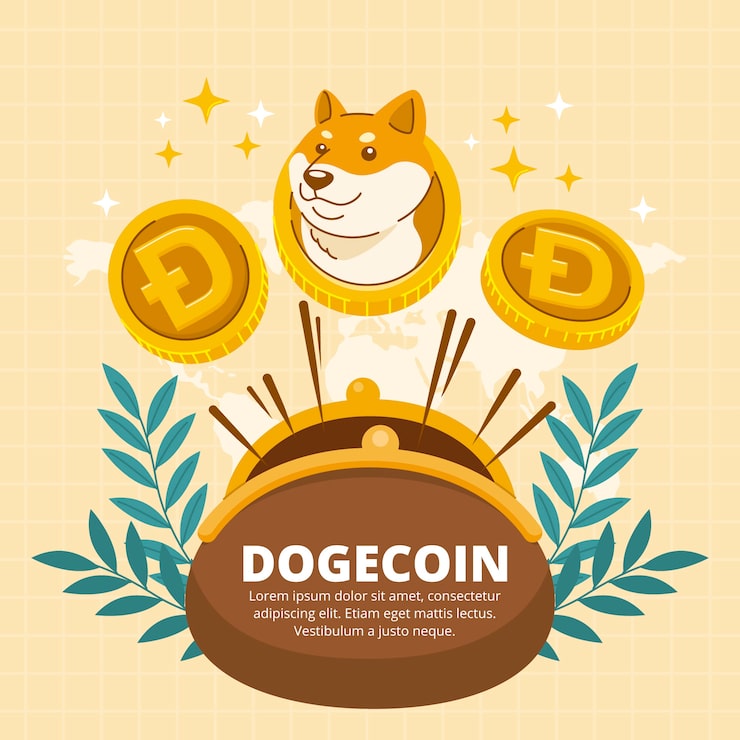
The marketing approach employed by Baby Doge Coin proved remarkably effective in building a dedicated community. The team leveraged Twitter aggressively, creating regular content that combined humor, cryptocurrency education, and updates about the project’s development. The account quickly amassed tens of thousands of followers within the first month.
A crucial element of the marketing strategy involved creating catchy slogans and memes that could spread organically across social media. The phrase “Baby Doge, doo, doo, doo, doo, doo, doo” became synonymous with the project, a playful reference to the children’s song “Baby Shark” that had become a cultural phenomenon years earlier.
The community aspect extended beyond social media into platforms like Telegram and Reddit, where dedicated channels allowed holders to discuss price movements, share memes, and coordinate promotional efforts. This grassroots approach to community building mirrored the success that Dogecoin had experienced, creating a sense of belonging and shared purpose among token holders.
Technical Infrastructure and Blockchain Choice
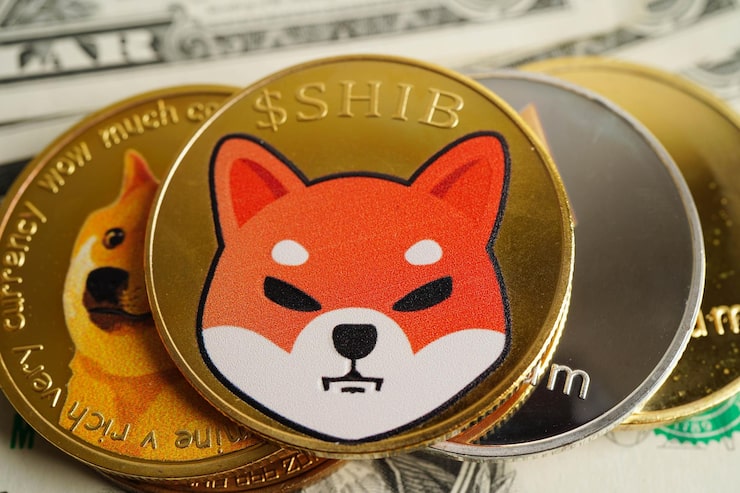
The decision to build on Binance Smart Chain rather than creating a standalone blockchain or using Ethereum had significant implications for Baby Doge’s functionality. Binance Smart Chain offered much lower transaction fees compared to Ethereum, which was experiencing severe congestion and gas fees that often exceeded the value of small transactions.
Transaction speeds on Binance Smart Chain averaged around three seconds, dramatically faster than the one-minute block time of Dogecoin or the ten-minute confirmation period of Bitcoin. This speed advantage meant that Baby Doge could theoretically function better for actual transactions and payments, though the primary use case remained speculative trading.
The smart contract underlying Baby Doge included several functions that automated key aspects of the tokenomics. Each transaction incurred a ten percent fee, which was then split between liquidity provision, redistribution to holders, and burning. This mechanism operated automatically without requiring manual intervention from the development team.
The Elon Musk Tweet and Explosive Growth
The trajectory of Baby Doge Coin changed dramatically on July 1, 2021, exactly one month after launch. Elon Musk, whose tweets had previously sent Dogecoin soaring, posted a simple message on Twitter: “Baby Doge, doo, doo, doo, doo, doo, doo.” The tweet included no additional context or explanation, leaving the cryptocurrency community to interpret his intentions.
The market reaction was immediate and explosive. Within hours, Baby Doge’s price surged by over 100%, with trading volume increasing exponentially as investors rushed to purchase tokens. The tweet generated massive media coverage, with financial news outlets covering the phenomenon and further amplifying awareness of the project.
This single social media post validated the project in the eyes of many retail investors who viewed Musk’s endorsement, however ambiguous, as a signal that Baby Doge had potential. The development team capitalized on this moment by accelerating their marketing efforts and announcing new partnerships and initiatives designed to build on the momentum.
First Major Exchange Listings

Following the surge in interest generated by the Musk tweet, Baby Doge began securing listings on centralized cryptocurrency exchanges. The first significant listing came on July 12, 2021, when Gate.io announced it would support Baby Doge trading pairs. This represented a major milestone because centralized exchanges provide liquidity and accessibility that decentralized platforms cannot match.
Additional exchange listings followed in rapid succession throughout July and August 2021. BitMart, BKEX, and ZT Global all added Baby Doge trading pairs, each announcement generating renewed interest and trading activity. These listings were critical for expanding the potential investor base beyond those comfortable using decentralized exchanges and cryptocurrency wallets.
The process of securing exchange listings involved negotiations between the Baby Doge team and exchange operators, often requiring payment of listing fees and demonstration of sufficient trading volume and community support. Each successful listing represented validation of the project’s legitimacy and growth potential in an increasingly crowded marketplace of meme coins.
Charity Initiatives and Brand Positioning
In an effort to differentiate itself from purely speculative meme coins, Baby Doge incorporated charitable giving into its core mission. The team announced in late June 2021 that a portion of transaction fees would be directed toward dog rescue organizations and animal welfare charities. This positioning attempted to give the project social value beyond financial speculation.
The first major charitable donation occurred in July 2021, when Baby Doge donated $100,000 to various dog rescue organizations across the United States. The team publicized these donations through social media, generating positive press coverage and appealing to animal lovers who might not otherwise have invested in cryptocurrency.
This charitable angle served multiple purposes for the project. It created a narrative that distinguished Baby Doge from competitors, provided tax-deductible giving opportunities that some holders valued, and generated goodwill that could protect against criticism during market downturns. The strategy borrowed from Dogecoin’s own history of charitable fundraising, including sponsoring NASCAR drivers and funding clean water projects.
Technical Developments and Roadmap Execution
Throughout the summer of 2021, the Baby Doge development team worked to expand the project’s technical capabilities and ecosystem. In August, they launched Baby Doge Swap, a decentralized exchange specifically designed for trading Baby Doge and other tokens. This platform aimed to provide holders with a dedicated trading venue while generating additional utility for the token.
The team also announced plans for non-fungible token integration, recognizing the explosive popularity of NFTs during 2021. Baby Doge NFTs would feature various dog-themed artwork and potentially provide utility within the broader Baby Doge ecosystem, though specific details remained vague during these initial announcements.
A mobile game was proposed as another avenue for expanding utility beyond simple trading. The game would incorporate Baby Doge tokens as rewards or in-game currency, theoretically creating demand for the token from players rather than just speculators. These development initiatives reflected broader trends in cryptocurrency toward building ecosystems rather than standalone tokens.
Market Performance in Summer and Fall 2021
After the initial surge following the Musk tweet, Baby Doge experienced significant volatility throughout the remainder of 2021. The price reached its all-time high in June 2021, shortly after the tweet, before entering a consolidation phase characterized by sharp swings in both directions.
Trading volume remained substantial compared to most new cryptocurrency projects, with daily transactions often exceeding hundreds of millions of dollars across various exchanges. This liquidity made Baby Doge one of the more actively traded meme coins, though it never approached the market capitalization or mainstream recognition of Dogecoin or Shiba Inu.
The holder base expanded significantly during this period, with the number of unique wallet addresses holding Baby Doge growing from thousands at launch to millions by the end of 2021. This distribution metric suggested genuine retail interest rather than concentration among a small number of whales, though large holders still controlled significant percentages of the total supply.
Competitive Landscape and Market Position
Baby Doge launched into an increasingly crowded field of dog-themed cryptocurrencies, each competing for investor attention and capital. Shiba Inu, which had launched in 2020, was experiencing its own explosive growth during 2021 and represented the most direct competition for speculative investment dollars.
The meme coin category as a whole had expanded dramatically, with hundreds of projects launching that attempted to replicate the success of Dogecoin through similar branding, community-building techniques, and celebrity endorsements. This saturation made differentiation challenging and meant that projects needed constant innovation and marketing to maintain relevance.
Baby Doge positioned itself as more technically advanced than Dogecoin while maintaining the playful, community-focused ethos that made meme coins appealing to retail investors. The faster transaction speeds, deflationary tokenomics, and holder rewards represented genuine technical differences, though whether these features justified investment remained a matter of debate among analysts and investors.
Regulatory Considerations and Legal Structure
The anonymous nature of the development team raised questions about accountability and regulatory compliance that became increasingly relevant as cryptocurrency regulation intensified throughout 2021. Unlike projects with known founders and legal entities, Baby Doge operated in a decentralized manner that made regulatory classification difficult.
The project avoided making explicit investment promises or guarantees, instead positioning itself as a community-driven token with charitable purposes. This framing potentially helped navigate securities regulations that could classify tokens with expected profit solely from the efforts of others as securities requiring registration.
As governments worldwide began proposing stricter cryptocurrency regulations during late 2021, meme coins like Baby Doge faced uncertain futures. The lack of clear utility beyond speculation made these projects potentially vulnerable to regulatory crackdowns or exchange delistings if compliance requirements became more stringent.
Community Governance and Decision Making
Unlike many cryptocurrency projects that implemented formal governance mechanisms allowing token holders to vote on proposals, Baby Doge maintained a more centralized decision-making structure during 2021. The anonymous development team made key decisions about technical development, marketing strategy, and charitable donations without formal community input mechanisms.
This approach generated occasional criticism from community members who wanted more direct influence over the project’s direction. However, the team argued that centralized decision-making allowed for faster execution and prevented the gridlock that sometimes plagued projects with complex governance systems.
The tension between decentralization ideals and practical execution efficiency represented a common challenge for cryptocurrency projects. While the broader cryptocurrency movement emphasized decentralized governance and community control, many successful projects during their early phases relied on strong leadership from founding teams to establish direction and maintain momentum.
Media Coverage and Mainstream Attention
Baby Doge received significant media coverage during its first months, with financial news outlets covering the project as part of broader stories about meme coin mania and retail investor enthusiasm. The Elon Musk tweet generated particularly intense coverage, with major publications analyzing the phenomenon of celebrity influence on cryptocurrency markets.
The coverage was mixed, with some outlets treating Baby Doge as a legitimate investment opportunity while others dismissed it as a speculative bubble destined to collapse. Financial advisors and cryptocurrency analysts frequently warned retail investors about the risks of investing in meme coins without clear utility or established track records.
This media attention served dual purposes for the project. Positive or neutral coverage increased awareness and potentially attracted new investors, while even critical coverage kept Baby Doge in public consciousness and reinforced its position as one of the more prominent meme coin projects of 2021.
Partnership Announcements and Ecosystem Expansion

Throughout the second half of 2021, Baby Doge announced various partnerships intended to expand its ecosystem and increase utility. These included collaborations with payment processors that would theoretically allow merchants to accept Baby Doge, partnerships with other blockchain projects for cross-chain compatibility, and agreements with marketing firms to expand promotional efforts.
The tangible results of these partnerships varied considerably. Some represented genuine technical integrations that expanded Baby Doge’s functionality, while others appeared to be primarily marketing announcements with limited practical impact. This pattern was common among cryptocurrency projects competing for attention in a saturated market.
One notable partnership involved integration with cryptocurrency payment gateways that would allow online merchants to accept Baby Doge as payment. While few merchants actually implemented this capability, the announcement reinforced the narrative that Baby Doge had utility beyond speculation and could function as a medium of exchange.
Token Burns and Supply Reduction
The automatic burning mechanism built into Baby Doge’s smart contract resulted in trillions of tokens being permanently removed from circulation during 2021. The development team regularly publicized these burns, emphasizing how the deflationary tokenomics distinguished Baby Doge from inflationary cryptocurrencies like Dogecoin.
In addition to automatic burns from transaction fees, the team conducted several manual burns where they permanently destroyed tokens from the developer wallet. These events were announced in advance and treated as significant milestones for the community, with social media campaigns building anticipation before each burn.
The economic theory underlying these burns suggested that reducing supply while demand remained constant or increased would drive price appreciation. However, the actual price impact proved difficult to isolate given the numerous other factors influencing Baby Doge’s value, including overall cryptocurrency market conditions, Bitcoin price movements, and broader risk sentiment among investors.
| Date | Event | Significance |
|---|---|---|
| June 1, 2021 | Baby Doge Coin Launch | Initial liquidity provided on PancakeSwap, fair launch with no pre-sale |
| June 15, 2021 | First Community Milestone | Reached 50,000 holders within two weeks of launch |
| July 1, 2021 | Elon Musk Tweet | Price surged over 100%, massive increase in trading volume and awareness |
| July 12, 2021 | First Major Exchange Listing | Gate.io listing provided centralized trading access |
| July 20, 2021 | Initial Charity Donation | $100,000 donated to dog rescue organizations |
| August 5, 2021 | Baby Doge Swap Launch | Dedicated decentralized exchange platform introduced |

