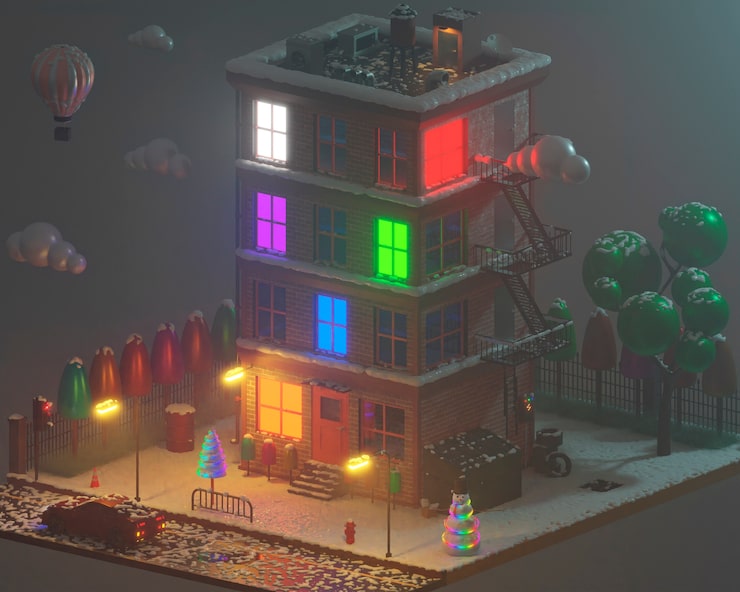
Gaming has evolved far beyond pressing buttons to navigate pre-built worlds designed by distant development teams. Today, virtual environments offer unprecedented creative control, turning players into architects of their own digital realities. The Sandbox represents a paradigm shift in this evolution, establishing itself as a decentralized platform where imagination becomes the primary currency and user-generated content defines the entire ecosystem.
Unlike traditional gaming platforms where developers dictate every element of gameplay, this voxel-based universe hands creative power directly to its community. Players acquire virtual real estate, design intricate experiences, build interactive games, and monetize their creations through blockchain technology. The platform merges gaming mechanics with economic opportunities, creating a self-sustaining digital economy where creativity translates into tangible value.
The foundation of this virtual world rests on three interconnected pillars: accessible creation tools, a thriving marketplace, and true ownership of digital assets. Anyone can start building without coding expertise, thanks to intuitive visual programming interfaces. The marketplace facilitates transactions using cryptocurrency, while non-fungible tokens guarantee authentic ownership of everything from virtual land parcels to animated characters.
Understanding the Foundation of User-Generated Virtual Worlds

The concept of metaverse platforms centers on persistent digital spaces where users interact, create, and participate in economies that mirror real-world systems. The Sandbox distinguishes itself through its commitment to decentralization and creator empowerment. The platform operates on Ethereum blockchain infrastructure, ensuring transparency in all transactions and permanent records of asset ownership.
Virtual land forms the cornerstone of this digital realm. The map comprises 166,464 individual parcels called LAND, each representing a unique space where owners can construct experiences. These parcels vary in location, size, and potential, with some areas commanding premium prices due to proximity to popular districts or partnerships with major brands. Land ownership functions similarly to real estate investment, with scarcity driving value and location determining desirability.
The native token SAND serves multiple functions within the ecosystem. Players use it to purchase assets, pay for services, participate in governance decisions, and stake for rewards. This cryptocurrency creates economic incentives for participation while giving the community voting power over platform development. The tokenomics model ensures that value generated within the ecosystem benefits creators and players rather than flowing exclusively to corporate entities.
Creation Tools That Democratize Game Development
VoxEdit stands as the primary modeling application, enabling users to craft three-dimensional objects, characters, and animations using voxel technology. Voxels function as volumetric pixels, building blocks that combine to form complex structures with distinctive aesthetic qualities. The software provides templates, animation rigging tools, and export functions that prepare creations for integration into the broader environment.
Game Maker represents the platform’s visual scripting environment where creators assemble gameplay experiences without writing traditional code. The drag-and-drop interface allows users to define behaviors, establish win conditions, create quests, and implement interactive elements. Logic nodes connect to form gameplay sequences, making complex mechanics accessible to those without programming backgrounds.
The learning curve remains manageable due to comprehensive tutorials and an active creator community. Newcomers can start with simple projects, gradually expanding their skills as they master different features. The platform provides asset libraries filled with pre-made elements that accelerate development, allowing creators to focus on unique aspects of their projects rather than rebuilding common components.
Diverse Gaming Experiences Within a Single Ecosystem
The variety of experiences available showcases the flexibility of the creation tools. Adventure games transport players through narrative-driven quests featuring custom characters and branching storylines. Racing games utilize terrain editing and physics systems to create challenging tracks. Social hangouts offer spaces for virtual gatherings, concerts, and community events. Puzzle games leverage logic systems to create brain-teasing challenges.
Some creators focus on educational content, building interactive history lessons or science demonstrations. Art galleries display NFT collections in curated virtual spaces. Escape rooms challenge teams to solve collaborative puzzles. Combat arenas pit players against each other in competitive multiplayer matches. This diversity ensures that different player preferences find satisfaction within the same platform.
Major brands have established presences, creating promotional experiences and virtual stores. Fashion companies showcase digital wearables. Entertainment franchises build themed lands featuring recognizable characters and locations. Musicians host virtual performances with exclusive merchandise. These partnerships validate the platform’s potential while introducing mainstream audiences to decentralized gaming concepts.
The Economic Model Behind Player Creativity

Monetization mechanisms allow creators to generate income from their work. Selling assets on the marketplace represents the most direct revenue stream. Popular creators develop recognizable styles, building brands that command premium prices. Limited edition items create scarcity and collectibility, driving secondary market trading.
Experience creators can charge admission fees for their games or implement in-game purchases. Some developers offer season passes granting access to exclusive content updates. Others adopt free-to-play models with optional cosmetic purchases. The platform supports various business models, letting creators experiment with approaches that suit their content and audience.
Renting land to other creators provides passive income for landowners who lack time or skills for development. Location premium means high-traffic areas command better rental rates. Estate development has emerged as a specialization, where investors acquire multiple adjacent parcels, develop cohesive districts, and lease spaces to compatible creators.
Staking mechanisms reward token holders who lock their cryptocurrency for specific periods. This reduces circulating supply while providing yield to participants. Governance participation grants voting rights on platform decisions, giving stakeholders influence over future development directions. These economic features create multiple pathways for engagement beyond simply playing games.
Technical Infrastructure Supporting Virtual Ownership
Blockchain technology underpins the entire ownership structure. Every asset exists as a non-fungible token with a unique identifier recorded on the Ethereum network. This creates verifiable scarcity and proves authentic ownership independent of the platform itself. Even if the company ceased operations, asset records would persist on the blockchain.
Smart contracts automate transactions and enforce rules without intermediary oversight. When a player purchases land, the smart contract executes the transfer automatically once payment confirms. Royalty systems embedded in smart contracts ensure original creators receive percentages of secondary sales, establishing ongoing revenue streams for popular work.
Interoperability represents a significant advantage of blockchain-based assets. Items created within the ecosystem can potentially function across different compatible platforms. While full interoperability remains an evolving concept, the foundational infrastructure supports this vision. Players maintain ownership regardless of which virtual world they currently inhabit.
Gas fees associated with Ethereum transactions have posed challenges, making small purchases expensive during network congestion. The platform has explored layer-two solutions and alternative blockchain partnerships to reduce transaction costs. These technical considerations affect user experience and economic viability, particularly for newer players with limited cryptocurrency holdings.
Community Dynamics and Social Structures
The social dimension extends beyond individual gameplay into collaborative creation and community governance. Creator collectives form to tackle ambitious projects requiring diverse skills. Artists partner with game designers, combining visual excellence with engaging mechanics. These collaborations often produce the most sophisticated experiences available on the platform.
Districts emerge organically as like-minded creators cluster their land holdings. Gaming districts focus on competitive experiences and esports. Art districts showcase galleries and performance spaces. Educational zones house learning experiences and tutorials. These informal neighborhoods develop unique identities and attract specific audiences.
Governance participation through decentralized autonomous organization structures gives token holders voting power on platform decisions. Proposals address feature development, fund allocation, and partnership approvals. This democratic approach distributes power across the community rather than concentrating it with a central authority.
Events and competitions stimulate creativity while building community engagement. Game jams challenge creators to build experiences within tight timeframes around specific themes. Building contests showcase architectural skills. Avatar design competitions celebrate character creation. These events generate excitement, discover emerging talent, and produce content that enriches the overall ecosystem.
Comparing Traditional Gaming with Creator-Driven Platforms
Traditional game development follows a studio-controlled model where companies invest millions in production, own all intellectual property, and control player experiences entirely. Players consume content without ownership of purchased items. When games shut down or servers close, all progress and purchases disappear.
Creator-driven metaverse platforms invert this relationship. Development occurs continuously through distributed creator contributions rather than isolated studio releases. Players own their purchases through blockchain verification. The platform persists as long as the underlying blockchain functions, removing single points of failure.
Modding communities have existed for decades, allowing players to modify existing games. However, these modifications typically exist in legal gray areas, lack monetization pathways, and depend on original game support. User-generated content platforms formalize and expand this concept, providing official tools, economic structures, and ownership rights.
The quality variance in user-generated content presents challenges. Professional studios employ hundreds of specialists working for years on polished experiences. Individual creators or small teams produce more experimental, uneven content. However, the diversity and constant innovation often compensate for technical limitations, while exceptional creators develop professional-quality productions.
Getting Started as a Creator or Player
Entering the ecosystem requires several steps. First, users need a cryptocurrency wallet compatible with Ethereum tokens. MetaMask represents the most popular option, functioning as a browser extension that manages digital assets. After installing the wallet, users purchase SAND tokens through cryptocurrency exchanges or directly through the platform.
Exploring existing experiences provides valuable context before creating original content. The platform features curated collections highlighting quality experiences across different categories. Playing through various games reveals what works mechanically and aesthetically, informing future creative decisions.
New creators should start with VoxEdit to design simple objects before attempting full game development. The software includes tutorials covering basic voxel modeling, animation principles, and asset export processes. Creating a few items and listing them on the marketplace provides practical experience with the economic ecosystem.
Game Maker tutorials walk through creating basic experiences step by step. Starting with template projects allows newcomers to modify existing structures rather than building from scratch. Understanding how existing games function by deconstructing their logic systems accelerates learning.
The creator community offers support through forums, social media groups, and collaborative events. Experienced developers often mentor newcomers, sharing techniques and providing feedback. This collaborative culture lowers barriers to entry and accelerates skill development for dedicated learners.
Challenges Facing Decentralized Gaming Platforms
Scalability issues affect user experience during high-traffic periods. Blockchain transactions require network confirmation, introducing delays compared to traditional centralized servers. Processing thousands of simultaneous interactions while maintaining decentralization presents ongoing technical challenges.
Cryptocurrency volatility impacts economic stability within the ecosystem. Token prices fluctuate based on broader market conditions, affecting the real-world value of in-platform earnings. New users may hesitate to invest when prices appear unstable or entry costs seem prohibitive.
Content moderation in decentralized environments raises complex questions. Traditional platforms employ centralized moderation teams enforcing community standards. Decentralized systems must balance free expression with safety concerns while respecting community governance principles. Inappropriate content detection and removal without central authority remains an evolving challenge.
Technical barriers still exclude portions of potential audiences. Understanding cryptocurrency wallets, managing private keys, and navigating blockchain transactions requires digital literacy beyond typical gaming skills. Simplifying these processes without compromising security or decentralization remains a priority for mainstream adoption.
Environmental concerns surrounding blockchain energy consumption have generated criticism. Ethereum’s transition to proof-of-stake consensus dramatically reduced energy usage, addressing some concerns. However, public perception of cryptocurrency’s environmental impact continues affecting platform reputation and adoption.
Future Developments and Platform Evolution
Mobile accessibility represents a major development priority. Currently, the platform primarily functions through desktop browsers and downloadable clients. Mobile implementations would dramatically expand the potential user base, allowing casual engagement through smartphones and tablets.
Virtual reality integration promises more immersive experiences. Supporting VR headsets would transform how players interact with created environments, adding depth perception and presence. Creator tools would need adaptation to support VR-specific design considerations, but the potential for innovative experiences justifies the development investment.
Cross-platform interoperability continues developing through industry standards and partnerships. The vision of moving assets seamlessly between different metaverse platforms requires technical coordination and business agreements. Progress toward this goal would fundamentally alter digital ownership concepts.
Artificial intelligence tools may assist creators with automated tasks like texture generation, animation polishing, or logic optimization. These tools could accelerate development while maintaining creator control over artistic direction. Balancing AI assistance with authentic human creativity will define how these technologies integrate.
Enhanced social features could deepen community engagement. Voice chat integration, improved avatar customization, and social discovery tools would make the platform more compelling for users prioritizing social interaction over creation or gameplay.
Investment Considerations for Virtual Land and Assets
Virtual real estate investment follows principles similar to physical property markets, adapted for digital contexts. Location determines value based on traffic, neighboring developments, and district prestige. Parcels near popular experiences or brand partnerships command premium prices due to visibility.
Development potential affects land value. Larger estates created by combining adjacent parcels support more ambitious projects. Corner lots and parcels bordering high-traffic areas offer strategic advantages. Investors analyze these factors when making purchase decisions.
Historical sales data provides market insights, though the relatively young market offers limited historical context. Price trends reflect broader cryptocurrency market conditions, platform development progress, and mainstream adoption rates. Speculative elements remain significant, making investment inherently risky.
Asset diversification applies within the ecosystem as it does in traditional investing. Holding combinations of land, tokens, and collectibles spreads risk across different asset types. Some investors focus exclusively on land speculation, while others emphasize creating or curating valuable items.
Liquidity varies significantly between asset types. Popular items and well-located land sell relatively quickly, while niche creations or remote parcels may wait extended periods for buyers. Understanding market dynamics helps investors make informed decisions about which assets align with their goals and risk tolerance.
Educational Applications and Learning Opportunities
Educational institutions have begun exploring the platform for interactive learning experiences. History lessons transport students to recreated historical settings. Science demonstrations visualize complex concepts through interactive models. Language learning environments provide immersive practice contexts.
The creation tools themselves teach valuable skills. Voxel modeling introduces three-dimensional design principles. Visual scripting develops logical thinking and problem-solving abilities. Project management skills develop through planning and executing complex builds. These transferable skills extend beyond gaming into professional contexts.
Entrepreneurship education finds natural application through the platform’s economic systems. Students learn about supply and demand by participating in the marketplace. Monetization strategies teach business model development. Community building demonstrates marketing and audience engagement principles.
Collaborative projects teach teamwork and communication skills. Students working together on shared builds must coordinate efforts, divide responsibilities, and integrate individual contributions into cohesive wholes. These collaborative experiences mirror professional creative workflows.
The Role of Major Brands and Partnerships
Corporate partnerships validate the platform while introducing new audiences. Entertainment companies create branded experiences promoting upcoming releases. Fashion brands sell digital clothing and accessories as NFTs. Automotive manufacturers showcase virtual vehicles. These partnerships bring mainstream attention and credibility.
Brand presence raises questions about commercialization within creator spaces. Some community members welcome corporate investment as validation and funding sources. Others worry about commercial interests overwhelming grassroots creativity. Balancing these concerns shapes partnership strategies and community responses.
Marketing activations within virtual spaces offer companies novel engagement opportunities. Interactive experiences create deeper brand connections than traditional advertising. Exclusive virtual merchandise generates buzz and collectibility. These strategies represent experimental marketing approaches that may define future brand-consumer relationships.
Revenue sharing from branded experiences benefits both companies and the platform. Brands access engaged audiences in innovative contexts. The platform gains content diversity and mainstream exposure. Creators may collaborate on branded projects, accessing resources and audiences beyond their typical reach.
Comparison with Competing Metaverse Platforms
Several platforms compete in the user-generated metaverse space, each with distinct approaches. Decentraland emphasizes decentralized governance and social experiences. Roblox focuses on accessibility and youth audiences with simpler creation tools. Minecraft remains the pioneer of voxel-based building with massive player bases.
The Sandbox differentiates through its blockchain integration and creator monetization focus. True asset ownership through NFTs provides economic opportunities unavailable on traditional platforms. The visual style and target audience skew slightly older than some competitors, attracting creators interested in economic participation.
Technical capabilities vary significantly between platforms. Some prioritize graphical fidelity and complex mechanics. Others emphasize accessibility and performance across devices. The choice between platforms depends on creator priorities, whether emphasizing artistic control, economic potential, audience size, or technical capabilities.
Network effects heavily influence platform success. Larger user bases attract more creators, generating more content, which attracts additional users in reinforcing cycles. Establishing critical mass remains essential for long-term viability. Competition for users and creators continues intensifying as the metaverse concept gains mainstream recognition.
Security Considerations and Digital Asset Protection
Cryptocurrency wallet security represents the primary responsibility for users. Private keys grant complete control over assets, making their protection essential. Hardware wallets provide maximum security by storing keys offline. Software wallets offer convenience but require careful security practices.
Phishing attacks target cryptocurrency holders through fake websites and fraudulent messages. Users must verify URLs carefully and never share private keys or seed phrases. Legitimate platform representatives never request this sensitive information.
Smart contract vulnerabilities occasionally emerge, potentially exposing assets to theft or loss. The platform conducts security audits, but risks inherent to blockchain technology persist. Users should understand these risks and only invest amounts they can afford to lose.
Marketplace scams include counterfeit items, inflated pricing schemes, and wash trading to manipulate perceived values. Buyers should research sellers, verify item authenticity, and understand market rates before making significant purchases. Community forums often expose scams and fraudulent actors.
Cultural Impact and Digital Identity
Virtual worlds influence how people express identity and build communities. Avatar customization allows experimentation with appearance beyond physical limitations. Users explore different self-presentations, sometimes discovering aspects of identity difficult to express offline.
Digital fashion has emerged as a significant cultural phenomenon. Virtual clothing carries status and style signals within online communities. Limited edition wearables become status symbols, functioning similarly to luxury goods in physical contexts. This digital fashion economy supports designers creating exclusively for virtual environments.
Cultural events within virtual spaces create shared experiences bridging geographical distances. Concerts, exhibitions, and celebrations bring global audiences together in ways physical events cannot. These gatherings demonstrate the social potential of persistent online worlds.
Ownership psychology differs in virtual contexts. Digital assets lack physical presence but carry real economic and emotional value. Collecting virtual items satisfies similar impulses as physical collecting while offering advantages like perfect preservation and easy display.
Conclusion
The Sandbox represents a fundamental shift in how games are created, owned, and monetized. By placing creative tools directly in player hands and guaranteeing true ownership through blockchain technology, the platform empowers a new generation of digital creators. The ecosystem demonstrates that gaming can transcend passive consumption, becoming a collaborative creative medium where players shape their own experiences.
Success within this environment requires understanding both creative and economic systems. The accessible creation tools lower technical barriers, but mastering them demands dedication and practice. The economic opportunities are real but require strategic thinking about market dynamics, audience preferences, and long-term platform evolution.
Challenges remain significant. Technical limitations affect user experience. Cryptocurrency complexity creates adoption barriers. Content quality varies widely. Environmental concerns and regulatory uncertainty cloud the future. Despite these obstacles, the platform continues attracting creators, players, and investors who believe in the potential of decentralized virtual worlds.
The broader implications extend beyond gaming into questions about digital ownership, online identity, and virtual economies. As more human interaction migrates to digital spaces, platforms that respect user ownership and empower creativity may define how future generations work, play, and socialize. The experiment unfolding within this voxel-based universe offers insights into possibilities and pitfalls of decentralized digital futures.
Whether this particular platform achieves mainstream adoption or remains a niche interest for cryptocurrency enthusiasts, the underlying concepts will influence gaming and internet development for years to come. The democratization of game creation, combined with economic incentives for participation, presents a compelling alternative to traditional entertainment models. For creators willing to learn new tools and navigate cryptocurrency systems, the opportunities for expression and income generation are substantial.
The metaverse concept remains in early stages, with competing visions and uncertain outcomes. User-generated content platforms powered by blockchain technology represent one possible future among many. Their success depends on solving technical challenges, achieving mainstream accessibility, and delivering experiences compelling enough to attract users beyond cryptocurrency enthusiasts. The coming years will reveal whether these virtual worlds become cultural mainstays or historical curiosities in gaming’s ongoing evolution.
What Makes The Sandbox Different from Traditional Gaming Platforms
The gaming industry has undergone remarkable transformations over the past decades, but few innovations challenge the established order quite like The Sandbox. While traditional gaming platforms have dominated the market for years with their centralized control and predefined experiences, The Sandbox introduces a paradigm shift that fundamentally changes how players interact with virtual worlds. Understanding these differences requires examining the core principles that separate decentralized metaverse platforms from conventional gaming ecosystems.
Traditional gaming platforms operate on a straightforward business model where developers create content, publishers distribute it, and players consume it. Players purchase games, download additional content, and invest countless hours building characters or acquiring items within these digital spaces. However, the ownership of these digital assets remains firmly in the hands of the game companies. When servers shut down or companies decide to discontinue support, everything players worked for simply vanishes. The Sandbox disrupts this model by introducing true digital ownership through blockchain technology, allowing players to actually own their creations and in-game assets as non-fungible tokens.
The economic structure represents one of the most striking differences between The Sandbox and traditional platforms. In conventional gaming, money flows in one direction: from players to developers and publishers. Players spend money on game purchases, subscriptions, microtransactions, and downloadable content without any opportunity to monetize their time or creativity. The Sandbox flips this model entirely by creating a creator economy where players can design, build, and sell their creations to other users. This transformation turns gaming from a pure entertainment expense into a potential revenue stream for talented creators and entrepreneurs.
Content creation tools distinguish The Sandbox from traditional platforms in meaningful ways. Most mainstream games offer limited customization options, perhaps allowing players to create custom skins or modify certain gameplay elements within strict parameters. Professional game development typically requires expensive software licenses, extensive programming knowledge, and access to proprietary engines. The Sandbox democratizes game creation by providing VoxEdit, a user-friendly voxel modeling tool that enables anyone to design 3D assets without needing advanced technical skills. The Game Maker further simplifies the development process, offering a visual scripting interface that eliminates the need for coding expertise while still allowing sophisticated gameplay mechanics.
Interoperability stands as another fundamental distinction. Traditional games exist as isolated ecosystems where assets purchased in one game cannot transfer to another. A sword earned in one title holds no value in a different game, even if both come from the same developer. The Sandbox operates on the Ethereum blockchain, meaning assets created within the platform exist as standardized tokens that can potentially interact with other blockchain-based applications. This opens possibilities for cross-platform functionality that traditional gaming architectures simply cannot support without complete infrastructure overhauls.
Ownership Models and Player Rights
The concept of ownership takes on dramatically different meanings when comparing The Sandbox to traditional gaming platforms. In conventional games, players receive a license to access content rather than owning anything outright. Terms of service agreements make clear that accounts, items, and even characters remain property of the game company. Violations of terms can result in permanent account bans, instantly erasing years of progress and purchases. The Sandbox establishes ownership through blockchain verification, where assets exist as tokens in player wallets independent of the platform itself. This means creators maintain control of their work even if they stop using The Sandbox, as their NFTs continue to exist on the blockchain.
This ownership model extends to virtual real estate in unprecedented ways. Traditional MMORPGs might allow players to own houses or guild halls within the game world, but these spaces exist solely within the game’s servers and carry no value outside that specific title. The Sandbox sells LAND parcels as NFTs, creating genuine digital real estate that players can develop, rent, or sell on open markets. These parcels function as blank canvases where owners can build experiences, host events, or lease space to other creators, establishing property rights comparable to physical real estate but within a virtual environment.
The governance structure reveals another layer of difference. Traditional gaming companies make unilateral decisions about game direction, balance changes, and feature implementations. Players might voice opinions through forums or social media, but ultimate authority rests with corporate leadership. The Sandbox incorporates its SAND token into a governance framework where token holders can participate in decisions affecting the platform’s future. This decentralized governance model represents a shift toward community-driven development rather than top-down corporate control, though the degree of decentralization continues evolving as the platform matures.
Monetization and Economic Opportunities
The economic opportunities available within The Sandbox create possibilities that traditional gaming platforms rarely offer. Professional game streamers and esports athletes represent the primary ways players monetize traditional gaming, avenues available only to those with exceptional skills or entertaining personalities. The Sandbox expands monetization potential to various skill sets and entrepreneurial approaches. Artists can create and sell 3D assets through the marketplace, earning SAND tokens each time someone purchases their work. Game designers can build experiences on their LAND parcels and charge admission fees or implement play-to-earn mechanisms. Property investors can speculate on LAND values, buying parcels in strategic locations and reselling them as the platform grows.
The play-to-earn model introduced by blockchain gaming platforms like The Sandbox fundamentally alters the value proposition of spending time in virtual worlds. Traditional games might offer competitive prize pools or streaming revenue for top-tier players, but average users gain no financial benefit from their time invested. The Sandbox enables various play-to-earn mechanics where players can earn rewards through gameplay, completing quests, participating in events, or contributing to the ecosystem in meaningful ways. This transforms gaming time from pure leisure activity into potential productive labor, though the sustainability and ethical implications of this shift continue generating debate within gaming communities.
Secondary markets demonstrate another economic distinction. While some traditional games permit limited trading of items between players, most impose restrictions or prohibit trading entirely to maintain control over their economies. Games with robust trading systems like Counter-Strike or Team Fortress 2 operate within closed marketplaces controlled by the platform operators. The Sandbox assets trade on open NFT marketplaces beyond the platform’s direct control, creating genuine free markets where prices reflect actual supply and demand without artificial restrictions or centralized manipulation.
| Feature | Traditional Gaming Platforms | The Sandbox |
|---|---|---|
| Asset Ownership | Licensed access, company retains ownership | True ownership via blockchain NFTs |
| Content Creation | Limited tools, requires technical expertise | Accessible tools for all skill levels |
| Monetization | Primarily for developers and top-tier players | Multiple paths for creators and players |
| Governance | Centralized corporate decision-making | Token-based community governance |
| Interoperability | Assets locked within specific games | Blockchain-based cross-platform potential |
| Virtual Real Estate | Temporary access within game servers | Owned LAND parcels as tradeable NFTs |
The technological infrastructure underlying these platforms reveals fundamental architectural differences. Traditional gaming relies on centralized servers owned and operated by game companies. These servers store all game data, process gameplay mechanics, and control access to content. When companies shut down servers, games become completely unplayable regardless of how much players invested. The Sandbox builds on decentralized blockchain technology where core ownership records persist independently of the platform’s operational status. While The Sandbox currently maintains some centralized elements for practical performance reasons, the architecture theoretically allows greater resilience and permanence than traditional client-server models.
Community dynamics function differently across these platform types. Traditional games foster communities through shared experiences, competitive rankings, and social features built into the game itself. Players form guilds, clans, or friend groups, but these relationships exist within the confines of that specific game’s social infrastructure. The Sandbox communities form around creative collaboration, economic partnerships, and shared governance interests. Creators collaborate on projects, LAND owners form neighborhoods with unified themes, and investors coordinate strategies. These relationships extend beyond simple gameplay partnerships to encompass business relationships and creative collectives that resemble professional networks rather than gaming friend lists.
The content update cycle differs substantially between traditional platforms and The Sandbox. Conventional games receive updates from development teams on schedules determined by corporate priorities and resource availability. Players wait for developers to add new content, fix bugs, or implement requested features. The Sandbox enables continuous content creation from its user base, where new experiences, assets, and gameplay mechanics emerge daily without requiring official development team involvement. This distributed creation model results in exponentially more content variety than centralized studios can produce, though quality control and curation present ongoing challenges.
Brand partnerships and intellectual property integration operate under different frameworks. Traditional gaming licenses IP from entertainment franchises, creating authorized games featuring popular characters and settings. These partnerships result in discrete titles developed by studios with official licenses. The Sandbox attracts brands and IP holders to purchase LAND and create their own experiences within the metaverse. Companies like Atari, The Walking Dead, and Snoop Dogg have established presences, building branded experiences that coexist with user-generated content in a shared virtual space. This approach creates a mixed-use metaverse where corporate and individual creators operate alongside each other rather than in separate products.
The skill development pathways differ between traditional gaming and The Sandbox. Conventional games help players develop hand-eye coordination, strategic thinking, and problem-solving abilities specific to gaming contexts. Competitive games might teach teamwork and communication, but these skills remain largely recreational. The Sandbox teaches transferable professional skills including 3D modeling, game design, basic economics, digital marketing, and community management. Creators learning to build successful experiences in The Sandbox develop portfolios and expertise applicable to careers in game development, digital art, or virtual world design. This educational dimension adds value beyond entertainment, though the learning curve can feel steeper than simply playing traditional games.
The relationship between players and developers transforms fundamentally in The Sandbox compared to traditional platforms. Conventional gaming maintains clear separation between consumers and producers, with communication flowing through official channels, community managers, and customer support systems. Developers make decisions about game direction based on corporate strategy, market research, and creative vision. The Sandbox blurs these lines by empowering players to become creators and stakeholders in the platform’s success. This creates more direct relationships where user feedback immediately influences the metaverse since users themselves generate much of the content. However, it also introduces complexity as competing interests between different user groups require balance and coordination.
Risk profiles present important considerations when comparing these platforms. Traditional gaming carries minimal financial risk for players beyond the initial purchase price or subscription fees. Players might feel disappointed by poor games or discontinued services, but financial exposure remains limited. The Sandbox introduces investment risks through LAND purchases, SAND token holdings, and asset acquisitions. Prices fluctuate based on market conditions, platform adoption, and broader cryptocurrency trends. Players approaching The Sandbox as investors face genuine financial risks including the potential loss of capital, unlike the bounded risk of traditional gaming purchases.
Performance and accessibility characteristics differ notably. Traditional games optimize for smooth gameplay, fast loading times, and responsive controls using mature technologies refined over decades. Developers can utilize powerful game engines and leverage platform-specific hardware capabilities for impressive graphics and seamless experiences. The Sandbox faces technical constraints inherent to blockchain integration and must balance decentralization with performance demands. Transaction speeds, gas fees, and blockchain network congestion can impact user experience in ways traditional games avoid entirely. Additionally, the requirement to understand wallets, tokens, and blockchain concepts creates accessibility barriers that conventional games with simple download-and-play models do not face.
The longevity and sustainability models reveal different priorities. Traditional gaming companies profit from continuous player engagement through ongoing purchases, subscriptions, or advertising revenue. This aligns company incentives with creating compelling long-term experiences that retain players. However, corporate priorities can shift, leading to discontinued support for less profitable titles. The Sandbox creates economic alignment between the platform and users through token economics where platform growth theoretically benefits all stakeholders. Long-term sustainability depends on maintaining active creator communities, steady transaction volumes, and increasing LAND values rather than traditional metrics like monthly active users or session length.
Cultural impact and social perception differ between traditional gaming and blockchain-based platforms. Mainstream gaming achieved cultural acceptance over decades, moving from niche hobby to recognized entertainment medium. Gaming conventions, esports tournaments, and streaming platforms demonstrate gaming’s established cultural position. The Sandbox and similar blockchain gaming platforms still face skepticism from both traditional gamers suspicious of cryptocurrency integration and mainstream audiences unfamiliar with NFT concepts. This cultural positioning affects adoption rates, media coverage, and regulatory scrutiny in ways that established gaming platforms no longer encounter.
The creative freedom available represents both an advantage and challenge for The Sandbox compared to curated traditional platforms. Conventional gaming platforms implement quality control, age ratings, and content standards ensuring baseline quality and appropriateness. Players know purchased games meet certain standards and function as advertised. The Sandbox’s open creation environment allows unlimited creative expression but also enables low-quality content, potential copyright infringement, and inappropriate material. Moderation and curation at scale present ongoing challenges for user-generated content platforms, requiring solutions that balance creative freedom with community standards.
Conclusion
The differences between The Sandbox and traditional gaming platforms extend far beyond superficial features into fundamental questions about ownership, value creation, and the relationship between players and virtual worlds. Traditional gaming excels at delivering polished, professionally crafted experiences optimized for entertainment and engagement. The Sandbox prioritizes player empowerment, economic opportunity, and decentralized creation at the cost of some accessibility and polish. Neither approach proves inherently superior; they serve different purposes and appeal to different audiences with distinct priorities.
Traditional gaming will likely continue dominating mainstream entertainment due to lower barriers to entry, refined gameplay experiences, and decades of industry expertise. The Sandbox and similar platforms represent alternative models that may coexist with rather than replace conventional gaming. As blockchain technology matures and user-friendly interfaces improve, distinctions between these approaches may blur, potentially incorporating the best elements of both models.
The significance of The Sandbox lies not in replacing traditional gaming but in demonstrating viable alternatives to established paradigms. By proving that players value true ownership, creative empowerment, and economic participation, The Sandbox influences how traditional platforms consider their own player relationships and monetization models. Whether The Sandbox specifically succeeds long-term matters less than the ideas it validates and the innovations it inspires across the broader gaming industry.
Question-answer:
How does the monetization system work in The Sandbox for creators?
The Sandbox offers multiple revenue streams for content creators. You can sell your LAND parcels on the marketplace, where plots in popular areas can fetch significant prices. Additionally, creators earn SAND tokens by charging admission fees to their games and experiences, or by selling in-game assets as NFTs. The platform takes a small transaction fee, but the majority of profits go directly to the creators. Many successful game designers also generate income through sponsored experiences, partnering with brands that want to establish a presence in the metaverse. The ownership model is transparent – everything you create becomes your intellectual property, which you can trade or license as you see fit.
What technical skills do I need to start building games in The Sandbox?
You don’t need extensive programming knowledge to begin creating in The Sandbox. The platform provides VoxEdit, a user-friendly 3D modeling tool designed for beginners, where you can design characters, items, and structures using voxel-based graphics similar to Minecraft. For game logic and mechanics, Game Maker offers a visual scripting interface with drag-and-drop functionality, eliminating the need to write code. However, if you have experience with 3D modeling software like Blender or game engines like Unity, you’ll find advanced options to create more complex experiences. Most creators start with simple projects and gradually expand their skills through the platform’s tutorials and community resources.
Can I play The Sandbox games without spending any money or buying cryptocurrency?
Yes, you can explore and play many experiences in The Sandbox without any financial investment. The platform offers free-to-play areas where you can enjoy games created by other users, participate in events, and interact with the community. You don’t need to own LAND or purchase SAND tokens just to be a player. However, some premium experiences might require entry fees, and if you want to buy exclusive NFT assets or start creating and selling your own content, you’ll need to acquire SAND tokens. The free version still provides substantial entertainment value and lets you decide if you want to invest further before committing financially.
What makes The Sandbox different from other gaming platforms like Roblox or Fortnite Creative?
The main distinction lies in true ownership and decentralization. Unlike traditional platforms where the company retains control over your creations, The Sandbox uses blockchain technology to give you actual ownership of your LAND, assets, and games through NFTs. You can sell or transfer these items outside the platform without restrictions. The economic model also differs – creators receive a larger share of revenue compared to conventional platforms that take substantial cuts. The Sandbox also allows cross-platform asset utility, meaning items you create can potentially be used in other compatible metaverse applications. While Roblox and Fortnite Creative offer robust creation tools, they maintain centralized control over content and transactions, whereas The Sandbox prioritizes user sovereignty and decentralized governance through its DAO structure.
