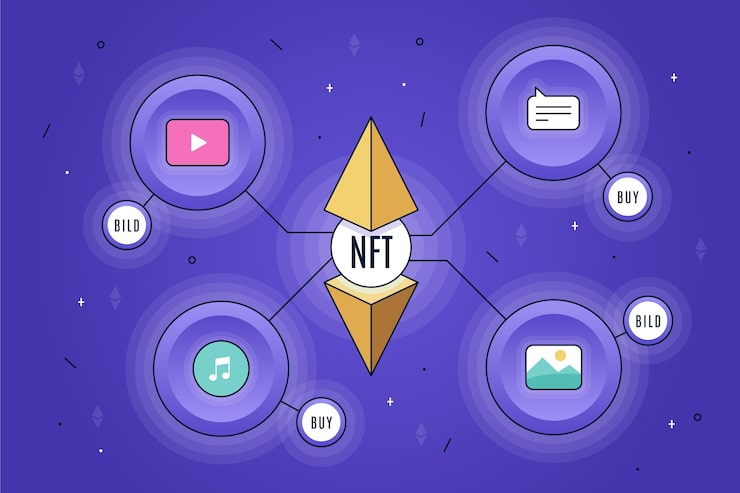
The conversation around non-fungible tokens has shifted dramatically over the past few years. What began as digital artwork and collectible images has evolved into something far more practical and valuable. Today, utility NFTs represent one of the most compelling use cases in the blockchain space, particularly when deployed as membership and access tokens. These digital assets are reshaping how communities form, how businesses interact with customers, and how exclusive experiences get distributed in the digital age.
Unlike their purely collectible counterparts, utility NFTs serve a functional purpose beyond just being owned or displayed. When you purchase a utility NFT designed for membership or access, you’re not just acquiring a digital certificate – you’re obtaining a key that unlocks real-world benefits, exclusive content, community participation rights, or special privileges. This fundamental shift from speculation to utility has attracted entrepreneurs, creators, and businesses looking for innovative ways to build engaged communities and deliver value to their most dedicated supporters.
Understanding how these tokens work requires looking beyond the hype and examining the underlying mechanics that make them effective tools for access control, community building, and value delivery. From exclusive nightclubs in major cities to online education platforms, from music artist fan clubs to professional networking groups, utility NFTs are being implemented across countless industries with remarkable results. This comprehensive guide will walk you through everything you need to know about utility NFTs as membership and access tokens, including how they function, their advantages over traditional membership systems, real-world applications, and what the future holds for this rapidly evolving technology.
What Makes Utility NFTs Different from Regular NFTs
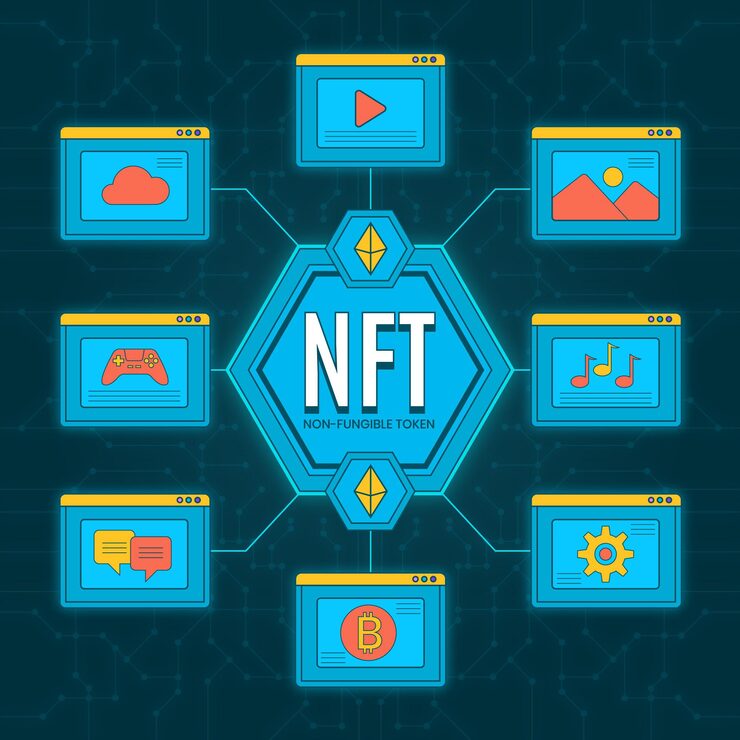
The distinction between utility NFTs and standard collectible tokens lies in their core purpose. A regular NFT might represent ownership of digital art, a virtual trading card, or a unique piece of media. Its value comes primarily from scarcity, aesthetic appeal, or cultural significance. Utility NFTs, however, derive their value from what they enable the holder to do or access. Think of them as programmable membership cards that live on the blockchain.
Traditional NFTs became popular as digital collectibles, with projects focusing on profile pictures and artistic expression. While these assets can appreciate in value based on market demand and cultural trends, they don’t necessarily provide ongoing functionality to their owners. Utility NFTs flip this model by embedding practical benefits directly into the token itself. The ownership verification happens automatically through blockchain technology, eliminating the need for centralized databases or physical membership cards that can be lost, stolen, or counterfeited.
Smart contracts power these utility tokens, establishing rules about what holders can access and under what conditions. These programmable agreements execute automatically when certain conditions are met, creating a trustless system where neither party needs to rely on intermediaries. When you hold a utility NFT in your digital wallet, you possess cryptographic proof of your membership or access rights that can be verified instantly by any compatible system.
How Membership NFTs Function as Digital Keys
The mechanics behind membership NFTs rely on blockchain technology and digital wallet authentication. When a business or organization creates a membership program using NFTs, they mint a specific number of tokens with embedded metadata that defines access parameters. This metadata might include membership tier, expiration dates, transferability rules, and specific benefits associated with ownership.
Verification happens through wallet connection rather than traditional login credentials. When you attempt to access a members-only area, whether physical or digital, the system checks your connected wallet for the required NFT. If present, access is granted automatically. This process takes seconds and requires no manual approval or database queries. The blockchain serves as the source of truth, providing real-time verification without relying on centralized servers that could fail or be compromised.
Token gating represents the technical implementation that makes this access control possible. Platforms and venues integrate smart contract readers that scan connected wallets for specific NFT collections or individual tokens. These gates can be configured with sophisticated logic, checking not just for ownership but also for attributes like rarity traits, holding duration, or combination requirements across multiple collections.
The beauty of this system lies in its flexibility. Organizations can create tiered membership structures where different NFTs unlock different levels of access. A basic membership token might grant entry to community forums and occasional events, while premium tokens provide additional benefits like priority booking, exclusive merchandise, or direct communication with founders. All these rules exist in transparent smart contract code that token holders can review before purchasing.
Real-World Applications Across Industries
The entertainment sector has embraced utility NFTs with particular enthusiasm. Music artists are issuing tokens that grant lifetime access to concert tickets, backstage experiences, and unreleased recordings. Rather than selling albums or individual concert tickets, musicians can build sustainable relationships with fans who hold these membership tokens. Some artists have created tiered systems where rare tokens include meet-and-greet opportunities or input on creative decisions.
Fitness and wellness communities have discovered utility NFTs as powerful tools for gym memberships and class access. Several boutique fitness studios now offer NFT memberships that can be transferred or rented out when not in use, solving the common problem of unused gym memberships. Holders can access multiple locations within a network, and the tokens themselves can appreciate in value if the gym becomes more popular, creating an investment component alongside the functional utility.
Educational platforms are experimenting with course access tokens that grant students lifetime learning rights. Instead of subscription models that require ongoing payments, learners purchase an NFT that provides permanent access to course materials, updates, and community resources. Educators benefit from upfront funding while students gain a potentially appreciating asset that proves their commitment to continuous learning in specific fields.
Private clubs and social organizations represent another natural fit for membership NFTs. Exclusive dining clubs, professional networking groups, and social communities use these tokens to manage membership rosters and gate access to facilities or events. The blockchain provides transparent verification of membership status while maintaining privacy regarding member identities. Transfer policies can be programmed directly into the tokens, allowing clubs to control whether memberships can be sold on secondary markets.
The hospitality industry is exploring utility NFTs for hotel and resort access. Luxury properties are issuing limited collections that grant holders annual stays, priority booking, room upgrades, and exclusive amenities. These tokens create a new category between traditional timeshares and standard bookings, offering flexibility and potential appreciation without the legal complications of fractional property ownership.
Advantages Over Traditional Membership Systems
Traditional membership programs rely on centralized databases that require ongoing maintenance, present security vulnerabilities, and lack transparency. Members must trust that organizations will honor their commitments and maintain accurate records. Utility NFTs eliminate these trust requirements through verifiable blockchain records that cannot be altered retroactively.
Transferability represents a significant advantage that traditional memberships rarely offer. If you purchase a gym membership or country club access, you typically cannot transfer it to someone else if your circumstances change. Utility NFTs can be programmed to allow transfers under specific conditions, creating secondary markets where members can recoup their investment if they no longer need access. Organizations can even program royalty fees into these transfers, earning revenue from secondary sales.
The permanence of blockchain records means membership history is preserved indefinitely. Organizations can reward long-term holders with additional benefits based on ownership duration, creating loyalty incentives that would be complex to track in traditional systems. Smart contracts can automatically upgrade member status or unlock new features after specific holding periods without manual intervention.
Global accessibility makes utility NFTs particularly powerful for online communities and digital services. Anyone with internet access and a digital wallet can purchase and hold these tokens, removing geographic restrictions that limit traditional membership programs. Payment processing happens through cryptocurrency, eliminating issues with international banking fees and currency conversion.
Composability allows utility NFTs from different organizations to work together in ways traditional memberships cannot. A holder might receive additional benefits in one community based on NFTs they own from related projects, creating networks of interconnected access and privileges. This interoperability opens possibilities for cross-promotions and partnership benefits that would require complex legal agreements in traditional systems.
Creating Effective Utility NFT Membership Programs

Designing a successful membership NFT program requires careful consideration of value proposition, technical implementation, and community engagement. Organizations must first identify what unique benefits they can offer that justify NFT ownership rather than traditional membership structures. The utility must be substantial enough to overcome the learning curve associated with cryptocurrency wallets and blockchain technology.
Smart contract architecture forms the foundation of any membership NFT project. Developers must carefully code access rules, transferability parameters, and upgrade mechanisms that align with organizational goals. Security audits are essential before launch, as vulnerabilities in smart contracts can be exploited, potentially compromising member access or enabling unauthorized minting of tokens.
Pricing strategy requires balancing accessibility with exclusivity. Setting token prices too high limits community growth, while prices too low might undermine perceived value or fail to fund the benefits being promised. Many successful projects implement tiered structures with entry-level tokens at accessible price points and rare premium tokens for dedicated members seeking maximum benefits.
Community building should begin before token launch. Successful projects cultivate engaged communities through social media, messaging platforms, and virtual events that generate excitement and educate potential members about the benefits of participation. This pre-launch phase helps identify early adopters who will champion the project and provide valuable feedback on utility features.
Technical onboarding presents challenges for audiences unfamiliar with cryptocurrency. Organizations must provide clear documentation, tutorial videos, and customer support to help new members set up wallets, purchase tokens, and connect them to access systems. Simplifying this process as much as possible increases adoption and reduces frustration that might otherwise prevent participation.
Technical Infrastructure and Platform Considerations
Blockchain selection impacts costs, speed, and environmental considerations. Ethereum remains the most established platform for NFT projects, offering robust smart contract capabilities and the largest user base. However, high gas fees during network congestion can make transactions expensive. Alternative blockchains like Polygon, Solana, and Tezos offer lower costs and faster transaction speeds, though they may have smaller user bases and less developed infrastructure.
Token standards determine compatibility and functionality. The ERC-721 standard created the NFT category on Ethereum, providing basic non-fungible token functionality. ERC-1155 allows for both fungible and non-fungible tokens in the same contract, useful for projects with multiple membership tiers or consumable benefits. Understanding these technical standards helps organizations choose appropriate implementations for their specific needs.
Wallet integration requires careful attention to user experience. Members need simple ways to connect their wallets to access systems without technical expertise. Solutions like WalletConnect and Web3Auth provide streamlined authentication flows that work across multiple wallet types. Mobile compatibility is particularly important, as many users prefer managing digital assets on smartphones rather than desktop computers.
Metadata storage determines what information accompanies each token. While the token itself lives on the blockchain, associated media and detailed attributes are typically stored off-chain due to blockchain storage costs. IPFS and Arweave offer decentralized storage solutions that maintain the spirit of blockchain technology while providing practical file hosting for images, descriptions, and other membership information.
Access verification systems must be implemented wherever benefits are delivered. Physical venues might use QR code scanning apps that check wallet addresses, while digital platforms integrate Web3 authentication libraries. These systems need to balance security with convenience, preventing unauthorized access without creating friction that frustrates legitimate members.
Legal and Regulatory Considerations
The regulatory landscape for utility NFTs remains evolving, with different jurisdictions taking varied approaches. Organizations must consider whether their tokens might be classified as securities under applicable laws. Utility NFTs that primarily provide access to services or products generally face less regulatory scrutiny than tokens marketed as investments with expected appreciation.
Consumer protection regulations apply even in blockchain contexts. Organizations must deliver promised benefits and maintain transparent communication about what membership includes. False advertising laws prohibit misrepresenting utility features or benefits. Clear terms of service should outline member rights, refund policies, and dispute resolution procedures.
Taxation implications affect both organizations issuing tokens and members purchasing them. Revenue from NFT sales may be taxable as income, while members might face capital gains taxes when selling tokens at a profit. International projects face additional complexity navigating tax laws across multiple jurisdictions. Consulting with legal and tax professionals familiar with cryptocurrency is advisable before launching membership NFT programs.
Intellectual property rights require careful consideration when creating membership tokens. Organizations must ensure they have rights to any images, branding, or content associated with the NFTs. Similarly, terms of service should clarify what rights members receive regarding token imagery and whether they can use it commercially.
Data privacy regulations like GDPR impact how membership information is collected and stored. While blockchain addresses provide pseudonymity, organizations often collect additional member information for communication or benefit delivery. These practices must comply with privacy laws, including providing rights to access, correct, and delete personal data.
Community Management and Member Engagement
Successful membership NFT projects require ongoing community engagement beyond initial token sales. Discord servers and Telegram groups provide spaces where members can connect, share experiences, and provide feedback on benefits and features. Active community management helps maintain enthusiasm and gives organizations direct insight into member satisfaction.
Exclusive content delivery keeps members engaged and reinforces the value of token ownership. Organizations might provide regular updates, educational resources, or entertainment content available only to verified token holders. This ongoing value delivery justifies membership costs and reduces the perception that tokens are purely speculative assets.
Event planning represents a key benefit for many membership NFT projects. Virtual gatherings, in-person meetups, and hybrid experiences create opportunities for members to connect and utilize their access rights. Token gating ensures only verified holders can attend, maintaining exclusivity while automating guest list management.
Governance participation can be integrated into membership NFT programs, allowing holders to vote on organizational decisions, benefit changes, or community initiatives. This democratic approach increases member investment in project success and provides valuable feedback for organizers. Voting mechanisms can be implemented through blockchain-based governance platforms that ensure transparent, tamper-proof results.
Recognition systems acknowledge and reward active community members. Organizations might issue achievement badges, award special roles, or provide additional benefits to members who participate regularly, refer new members, or contribute to community growth. These gamification elements encourage ongoing engagement beyond passive benefit consumption.
Challenges and Solutions in Implementation
Technical barriers remain the most significant obstacle to widespread adoption of utility NFTs. Many potential members lack familiarity with cryptocurrency wallets, blockchain transactions, and Web3 technology. Educational initiatives, simplified onboarding processes, and responsive customer support help overcome these challenges. Some projects implement custodial wallet solutions that abstract blockchain complexity, though these approaches sacrifice some decentralization benefits.
Market volatility affects both token pricing and member confidence. Cryptocurrency price fluctuations can make consistent pricing difficult, as tokens priced in crypto may vary significantly in fiat value. Some projects address this by pricing in stablecoins or implementing dynamic pricing mechanisms that adjust based on exchange rates. Clear communication about how pricing works helps set appropriate member expectations.
Scalability concerns arise as membership programs grow. Blockchain networks have transaction throughput limits that can create congestion and increase costs during high-demand periods. Layer-two scaling solutions and alternative blockchain platforms help address these limitations. Organizations should plan for growth and choose technical infrastructure that can accommodate increasing member bases.
Benefit delivery logistics require careful coordination between blockchain verification and real-world access systems. Physical venues need reliable internet connections and staff training on verification procedures. Digital platforms must maintain uptime and security while integrating wallet authentication. Backup verification methods should be available for situations where technical issues prevent standard authentication.
Secondary market dynamics can complicate pricing and access. If membership tokens appreciate significantly, new members may be priced out of participation. Conversely, if values decline, existing members might feel their investment was unwise. Organizations can address this through initial pricing strategies, token supply management, and clear communication that membership value comes primarily from utility rather than speculation.
Future Developments and Emerging Trends
Interoperability between different NFT membership systems will likely increase as standards and protocols mature. Members might use a single wallet to access multiple communities, venues, and services, with smart contracts automatically verifying appropriate credentials. This interconnected ecosystem could create powerful network effects where memberships become more valuable as more organizations adopt compatible systems.
Dynamic NFTs that change based on member behavior or external conditions represent an emerging innovation. Membership tokens might upgrade visually or unlock new benefits as holders reach participation milestones, creating gamified progression systems. Smart contracts could automatically adjust access levels based on usage patterns, creating performance-based membership tiers.
Integration with physical products through NFC chips or QR codes will likely expand. Membership cards, wristbands, or other physical tokens could be linked to blockchain addresses, allowing verification without requiring smartphones or apps. This hybrid approach bridges digital and physical experiences, making utility NFTs more accessible to less tech-savvy audiences.
Artificial intelligence might be integrated with membership systems to personalize benefits and experiences. Smart contracts could incorporate AI-driven recommendations for events, content, or connections based on member preferences and behavior. Automated community management tools could identify and reward valuable contributions or flag potential issues requiring human attention.
Mainstream adoption will depend on continued improvements in user experience and reduced technical complexity. As wallet interfaces become more intuitive and blockchain transactions faster and cheaper, utility NFTs will become viable for broader audiences. Major brands and organizations entering the space will drive standardization and best practices that benefit the entire ecosystem.
Case Studies of Successful Membership NFT Projects
Examining real-world implementations provides valuable insights into what works in utility NFT membership programs. Several projects have achieved notable success by focusing on genuine utility and community building rather than purely speculative appeal.
The Flyfish
How Utility NFTs Differ from Traditional Collectible Digital Assets
The digital asset landscape has evolved dramatically since the early days of blockchain technology. While many people first encountered non-fungible tokens through profile pictures and collectible artwork, the emergence of utility NFTs represents a fundamental shift in how we think about digital ownership and value. Understanding the distinction between these two categories helps clarify why utility NFTs are gaining traction in membership programs, exclusive communities, and access-based systems.
Traditional collectible NFTs primarily derive their value from scarcity, artistic merit, cultural significance, or speculative potential. These digital assets function similarly to physical collectibles like trading cards, rare coins, or limited edition prints. Their purpose centers on ownership, display, and potential appreciation in market value. Utility NFTs, conversely, embed functional capabilities directly into the token itself, creating tangible benefits that extend beyond mere possession.
The Core Distinction in Value Proposition
When someone purchases a collectible NFT, they acquire a unique digital item authenticated on the blockchain. The value proposition stops there. The owner can showcase the asset in their wallet, display it as a profile picture across social platforms, or sell it on secondary markets. The token represents proof of ownership but offers no additional functionality or benefits beyond its existence as a scarce digital object.
Utility NFTs transform this paradigm by encoding real-world benefits and digital privileges into the token structure. Holding a utility NFT might grant access to exclusive events, unlock premium content, provide voting rights in organizational decisions, or enable discounts on products and services. The token becomes a key that opens doors rather than merely a certificate of authenticity.
This functional difference creates distinct ownership dynamics. Collectible NFT holders often view their assets through an investment lens, monitoring floor prices and market trends. Utility NFT holders, while potentially interested in valuation, primarily focus on the ongoing benefits and experiences their tokens provide. The utility component creates intrinsic value that exists independently of market speculation.
Technical Implementation and Smart Contract Architecture
The technical infrastructure supporting utility NFTs differs substantially from standard collectible tokens. Basic collectible NFTs typically utilize straightforward smart contracts that handle minting, transfers, and ownership verification. These contracts establish provenance and ensure uniqueness but rarely incorporate complex logic for ongoing interactions.
Utility NFTs require more sophisticated smart contract architecture. The contracts must manage access permissions, verify eligibility for benefits, track redemption of privileges, and potentially interface with external systems. Some utility NFTs incorporate time-based functions that unlock different features at predetermined intervals. Others include upgrade mechanisms that allow token holders to enhance their NFTs by completing specific actions or meeting certain criteria.
The programmable nature of utility NFTs enables dynamic experiences that evolve over time. A membership NFT might start with basic benefits and gradually unlock additional privileges as the holder demonstrates engagement with the community. This progression system creates ongoing value that encourages long-term retention rather than quick flipping.
Token metadata in utility NFTs often includes fields beyond visual characteristics. The data structure might reference access levels, membership tiers, accumulated points, historical participation records, or eligibility status for upcoming benefits. This expanded metadata allows verification systems to validate claims and automate benefit delivery without manual intervention.
Use Cases and Practical Applications
Collectible NFTs found their initial success in art communities, gaming ecosystems, and brand collaborations focused on digital collectibility. Projects like profile picture collections demonstrated the market appetite for digital ownership but rarely delivered functional utility beyond social signaling and community belonging.
Utility NFTs have expanded into diverse applications that leverage their functional capabilities. Fitness communities distribute NFTs that track workout achievements and unlock progressive training programs. Educational platforms issue tokens that certify course completion while providing ongoing access to updated materials and alumni networks. Music artists release NFTs that grant concert tickets, backstage passes, exclusive recordings, and participation in creative decisions about future releases.
Professional organizations increasingly adopt utility NFTs for membership management. These tokens replace traditional membership cards by providing verifiable proof of affiliation while automating access to member-only resources. The blockchain verification eliminates the need for centralized databases and reduces administrative overhead associated with credential management.
Real estate developers have begun experimenting with utility NFTs that represent ownership stakes in properties while embedding rights to rental income distributions, governance votes on property decisions, and priority booking for personal use. These tokens combine investment opportunities with functional benefits, creating hybrid assets that blur traditional categorical boundaries.
The Economic Model and Value Stability
Collectible NFT markets often experience significant volatility driven by speculation, hype cycles, and shifting cultural trends. Projects can see explosive growth followed by dramatic declines as attention moves to newer releases. The lack of intrinsic utility means value depends almost entirely on perceived rarity and community enthusiasm.
Utility NFTs establish a value floor based on the concrete benefits they provide. A token granting annual conference access maintains baseline value equivalent to the cost of attendance, regardless of broader market conditions. This utility floor creates price stability that appeals to users seeking practical benefits over speculative gains.
The economic sustainability of utility NFT projects depends on the issuer’s ability to deliver promised benefits consistently. Organizations must balance the initial token price against the long-term cost of providing services and maintaining infrastructure. This economic reality encourages thoughtful project design and discourages the pump-and-dump schemes that plagued early collectible NFT markets.
Revenue models for utility NFT projects differ from collectible approaches. Collectible projects typically generate revenue through initial sales and secondary market royalties. Utility projects might incorporate subscription components, tiered membership levels with upgrading paths, or complementary product sales to token holders. These diversified revenue streams create business models more resilient than single-drop collectible releases.
Community Dynamics and Holder Behavior
Collectible NFT communities often revolve around market discussion, rarity rankings, and speculative trading strategies. Discord channels fill with price predictions, whale watching, and debates about artistic merit. While genuine communities do form around shared appreciation for projects, the focus frequently remains on financial outcomes.
Utility NFT communities develop around shared experiences and the benefits members receive. Conversations center on maximizing token utility, sharing exclusive content, coordinating meetups enabled by membership status, and participating in governance decisions. The utility component creates natural engagement touchpoints that sustain community activity beyond market movements.
Holder retention rates typically differ between the two categories. Collectible NFT holders often sell when prices rise or when interest wanes, leading to significant wallet turnover. Utility NFT holders have incentives to maintain ownership as long as they value the ongoing benefits, creating more stable holder bases and longer average ownership durations.
This retention dynamic influences project roadmap execution. Collectible projects must constantly generate excitement to prevent holder exodus and maintain market interest. Utility projects focus on consistently delivering promised benefits and iteratively improving the value proposition for existing holders. The utility model encourages sustainable development over hype-driven announcement cycles.
Verification and Access Control Mechanisms
Traditional collectibles require no verification beyond ownership confirmation. Displaying a collectible NFT in a wallet or on social media represents the primary use case. The blockchain serves as a public ledger proving ownership, but no additional verification layers are necessary.
Utility NFTs demand robust verification systems that confirm eligibility for benefits while respecting privacy and security considerations. Token-gated access systems verify wallet ownership through cryptographic signatures without exposing sensitive personal information. These verification mechanisms enable real-world benefit delivery while maintaining the pseudonymous nature of blockchain interactions.
Organizations implementing utility NFTs must design verification flows that balance security with user experience. Seamless authentication processes encourage benefit utilization, while cumbersome verification deters engagement and reduces perceived value. The technical challenge involves creating frictionless verification that prevents unauthorized access without creating barriers for legitimate holders.
Some utility NFT systems incorporate delegation mechanisms that allow holders to grant temporary access without transferring ownership. A member might delegate conference attendance to a colleague while retaining other membership benefits. These sophisticated access controls enable flexible utility that adapts to real-world needs.
Regulatory Considerations and Legal Status
Collectible NFTs generally face straightforward regulatory treatment as digital collectibles similar to art or trading cards. While taxation applies to capital gains from sales, the assets themselves rarely trigger securities regulations or licensing requirements.
Utility NFTs introduce regulatory complexity depending on the specific benefits embedded in the token. Tokens representing ownership stakes, profit sharing, or investment returns might constitute securities requiring registration and compliance with financial regulations. Access tokens that replace traditional subscriptions navigate consumer protection laws and contract enforcement frameworks.
The legal status of utility NFTs varies across jurisdictions, creating challenges for projects with international membership bases. Organizations must carefully structure their offerings to comply with applicable regulations while delivering meaningful utility. Legal counsel specializing in digital assets becomes essential for projects offering significant utility components.
Smart contract terms and benefit delivery mechanisms must align with legal obligations and consumer expectations. Clear terms of service, refund policies for utility tokens, and dispute resolution processes help establish legitimate business practices that differentiate utility NFTs from unregulated speculative schemes.
Interoperability and Cross-Platform Utility
Collectible NFTs typically exist within their originating ecosystem with limited cross-platform functionality. An NFT minted on one marketplace can transfer to another, but its cultural significance and display context remain tied to specific communities and platforms.
Utility NFTs benefit enormously from interoperability standards that enable benefit recognition across multiple platforms and services. A membership NFT might grant access to both physical spaces and digital platforms, unlock discounts with partner merchants, and provide credentials for professional networks. This cross-platform utility multiplies value and creates network effects that benefit both holders and participating organizations.
Developing interoperability requires technical standards that allow different systems to recognize and validate utility NFTs. Industry initiatives around token standards, metadata schemas, and verification protocols aim to create infrastructure supporting seamless utility across diverse applications. These standards enable the composability that makes utility NFTs more powerful than isolated access credentials.
The concept of portable reputation and achievement tracking represents an advanced form of utility NFT interoperability. Tokens that accumulate verifiable credentials and participation history across multiple platforms create persistent digital identities that transcend individual services. This portability shifts power from platforms to users, who can carry their established reputation to new contexts.
The Evolution from Collectible to Utility
Many projects initially launched as collectibles have added utility components in response to market demands and holder expectations. This evolution demonstrates recognition that pure collectibility provides insufficient long-term value for most holders. Retrofitting utility into existing collectible projects presents technical and organizational challenges but can revitalize communities and stabilize floor prices.
Adding utility to collectible NFTs requires careful consideration of fairness and holder expectations. Benefits must feel proportional to initial investment and align with the community’s values and interests. Utility additions that feel forced or disconnected from the project’s identity often fail to generate enthusiasm or alter holder behavior.
Some hybrid projects launch with both collectible appeal and embedded utility, attempting to capture benefits from both models. These projects attract diverse holder bases including collectors, speculators, and utility-focused users. Managing expectations across these different segments requires clear communication and balanced development prioritizing both aesthetic quality and functional benefits.
The market gradually distinguishes between projects with sustainable utility models and those adding token-gated features as marketing gimmicks. Authentic utility requires ongoing operational commitment, infrastructure investment, and benefit delivery. Projects that treat utility as an afterthought typically fail to retain holders once the novelty fades.
Future Trajectories and Emerging Patterns
The utility NFT category continues expanding as organizations discover new applications for tokenized access and membership. Traditional businesses explore replacing loyalty programs with NFT-based systems that provide tradeable rewards and transparent benefit tracking. Professional credentials issued as utility NFTs create verifiable, portable proof of qualifications that employers and clients can instantly validate.
Technological advances enable increasingly sophisticated utility implementations. Layer 2 scaling solutions reduce transaction costs, making micro-utilities and frequent interactions economically viable. Improved wallet interfaces simplify verification processes and make utility NFTs accessible to non-technical users. Cross-chain bridges enable utility recognition across different blockchain ecosystems.
The convergence of utility NFTs with decentralized autonomous organizations creates new governance models where token holders collectively manage resources and make organizational decisions. These governance utilities transform passive membership into active participation, aligning holder interests with project success.
Privacy-preserving verification technologies allow utility NFTs to provide benefits based on holder characteristics without revealing identifying information. Zero-knowledge proofs and selective disclosure mechanisms enable verification that someone meets membership criteria without exposing their wallet address or transaction history. These privacy enhancements make utility NFTs suitable for contexts requiring confidentiality.
Challenges and Limitations
Utility NFTs face operational challenges that collectibles avoid. Organizations must maintain infrastructure for benefit delivery, update systems as technology evolves, and provide customer support for holders accessing benefits. These ongoing obligations create operational complexity and financial commitments extending far beyond initial token sales.
Benefit depreciation represents another challenge for utility NFTs. Access to exclusive content loses value once widely distributed. Event tickets become worthless after the event concludes. Maintaining utility over extended periods requires continual innovation and benefit refreshment, demanding creativity and resources from project teams.
The transferability that makes NFTs valuable creates complications for utility providers. Benefits designed for specific individuals become awkward when tokens change hands. Organizations must decide whether utility transfers with the token or remains tied to original purchasers, balancing transferability with benefit personalization.
Technical failures can render utility inaccessible, creating frustration and eroding trust. Smart contract bugs, verification system downtime, or blockchain network congestion can prevent holders from accessing promised benefits. Robust technical architecture and contingency planning become essential for maintaining holder satisfaction.
Conclusion
The distinction between utility NFTs and traditional collectible digital assets represents more than a categorical difference. It reflects fundamentally different approaches to digital ownership and value creation. Collectible NFTs demonstrated that digital scarcity and blockchain authentication could create valuable markets for unique assets. Utility NFTs build on this foundation by embedding functional benefits that provide ongoing value beyond speculative appreciation.
Understanding these differences helps participants make informed decisions about which tokens align with their goals and interests. Collectors seeking aesthetic enjoyment and potential investment returns may prefer traditional collectibles. Users seeking tangible benefits, exclusive experiences, and functional access find utility NFTs more compelling. Many participants engage with both categories, appreciating different aspects of the digital asset ecosystem.
The utility NFT category continues maturing as best practices emerge and infrastructure improves. Organizations launching utility tokens learn from early projects, avoiding common pitfalls and implementing sustainable models. Technology advances make utility delivery more seamless and accessible. Regulatory clarity develops as governments recognize the legitimate use cases utility NFTs enable.
The future likely holds further convergence and hybridization as collectible and utility characteristics blend in innovative ways. Projects may launch collectible art that evolves based on holder participation, or utility tokens with generative aesthetics that reflect accumulated achievements. The boundaries between categories will blur as creators explore the design space enabled by programmable digital assets.
What remains clear is that utility NFTs represent a meaningful evolution in how blockchain technology creates value. By moving beyond pure collectibility to deliver concrete benefits and access, utility NFTs demonstrate practical applications that extend blockchain’s impact beyond speculation and digital art. This functional dimension positions utility NFTs as tools for membership management, access control, and community building that serve real organizational needs.
Whether utility NFTs ultimately replace traditional membership models or exist alongside them remains uncertain. What seems inevitable is that organizations will increasingly explore tokenized approaches to membership and access, driven by the benefits of transparency, transferability, and automated verification that blockchain technology enables. Understanding how utility NFTs differ from collectibles provides the foundation for navigating this evolving landscape and recognizing genuine utility amid continued market experimentation.
Question-answer:
What exactly are utility NFTs and how do they differ from regular collectible NFTs?
Utility NFTs are digital tokens that provide holders with specific benefits, services, or access rights beyond just owning a piece of digital art. Unlike regular collectible NFTs that mainly serve as profile pictures or investment assets, utility NFTs function as membership cards or access passes. For example, a utility NFT might grant you entry to exclusive events, access to private Discord channels, voting rights in a DAO, or discounts on products and services. The key distinction is that these tokens have real-world or digital functionality built into them, making them tools rather than just collectibles.
Can you give me practical examples of how brands are using NFTs as membership tokens?
Several major brands have already implemented NFT membership programs. Starbucks launched Starbucks Odyssey, where NFT holders receive special rewards, early access to new products, and invitations to exclusive coffee events. Nike created .SWOOSH, a Web3 platform where NFT holders can co-create virtual products and access member-only experiences. Gary Vaynerchuk’s VeeFriends tokens grant holders admission to VeeCon conferences for multiple years. Flyfish Club in New York operates as a restaurant where your NFT serves as your membership card – you must own the token to make reservations and dine there. These examples show how NFTs replace traditional membership cards with programmable, transferable digital alternatives.
What happens to my membership benefits if I sell my utility NFT to someone else?
When you transfer or sell a utility NFT, the associated benefits typically transfer to the new owner automatically. This is one of the most interesting features of NFT-based memberships – they’re permissionless and transferable. For instance, if you own a Bored Ape Yacht Club NFT that grants you access to exclusive parties and merchandise, selling that NFT means the buyer now gets those benefits instead of you. Some projects implement time-based rewards that might be claimed before transfer, while others have the benefits permanently attached to the token itself. This transferability creates a secondary market where memberships can be bought and sold, something traditional membership programs rarely allow. However, some projects may require KYC verification or implement soulbound tokens that cannot be transferred, so always check the specific rules for each project.
Are utility NFTs actually secure as access tokens, and what risks should I know about?
Utility NFTs offer both security advantages and certain risks. On the positive side, blockchain technology makes these tokens nearly impossible to counterfeit, and smart contracts can automate verification without requiring intermediaries. Your ownership is recorded on a transparent, immutable ledger. However, several risks exist. If someone gains access to your wallet through phishing attacks or malware, they can steal your NFTs and the associated benefits. Smart contract bugs can create vulnerabilities that hackers exploit. Projects can also fail or disappear, leaving your NFT worthless – this “rug pull” scenario has happened numerous times. Additionally, if a project’s servers go down or the team abandons development, features tied to off-chain infrastructure might stop working even though you still own the NFT. To minimize risks, use hardware wallets for valuable NFTs, verify smart contracts have been audited, research the team behind projects, and never share your seed phrase with anyone.
How do companies verify that I own the NFT when I want to use my membership benefits in real life?
Verification methods vary depending on whether access is digital or physical. For digital access like private websites or Discord servers, token-gating software automatically checks your wallet address when you connect. The system queries the blockchain to confirm you hold the required NFT, then grants access instantly. For physical venues and events, several approaches exist. Some venues use QR codes – you scan a code with your crypto wallet app, which proves ownership without exposing your private keys. Others employ NFC technology where you tap your phone to a reader. Certain high-end applications use biometric verification linked to your wallet address for added security. The Flyfish Club restaurant, for instance, requires advance verification of your NFT ownership when booking, then confirms your identity upon arrival. As this technology matures, verification is becoming smoother and more user-friendly, though some technical knowledge remains helpful for troubleshooting issues.
How do utility NFTs function as membership tokens compared to traditional membership cards?
Utility NFTs operate as blockchain-based membership tokens that offer several advantages over traditional membership systems. Unlike physical cards or centralized digital accounts, these NFTs exist on decentralized networks, giving holders true ownership of their membership status. When you purchase a utility NFT for membership, the token serves as a verifiable proof of access that cannot be duplicated or fraudulently claimed. The smart contract embedded in the NFT automatically grants you specific privileges without requiring manual verification from staff or administrators. For example, a fitness club could issue NFTs that grant 24/7 gym access, where the token itself communicates with door systems to verify your membership status. This eliminates the need for physical cards that can be lost or stolen, and removes the dependency on a central database that might experience downtime. Additionally, these NFTs can be transferred or sold on secondary markets, allowing members to recoup value if they no longer need the membership, which is rarely possible with traditional subscription models.
What specific benefits can I access with membership NFTs that I couldn’t get through regular subscriptions?
Membership NFTs provide unique advantages that standard subscriptions cannot replicate. First, they offer composability across platforms – a single NFT can grant access to multiple services or communities that recognize the same token standard. This means one membership NFT might unlock exclusive content on a website, grant entry to private Discord channels, provide discounts at partner businesses, and offer voting rights in community decisions simultaneously. Second, these tokens create verifiable scarcity and exclusivity. When a project mints only 1,000 membership NFTs, that cap is permanent and transparent, unlike traditional memberships where companies can freely increase their subscriber base. Third, holders benefit from potential appreciation in value. As the community grows more desirable, your membership token may increase in market value, allowing you to profit from early adoption. Fourth, NFT memberships often include automatic royalty mechanisms, where original creators receive a percentage when tokens are resold, ensuring sustainable funding for the community. Finally, these tokens can evolve over time through metadata updates or airdrops, where additional perks and benefits are automatically distributed to existing holders without requiring new purchases or upgrades.
