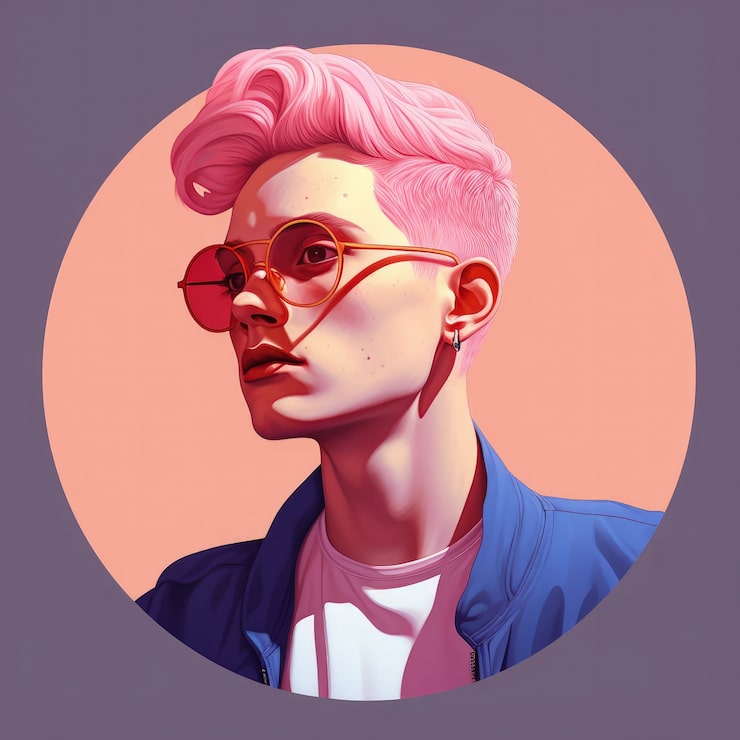
When someone scrolls through social media and notices hexagonal profile pictures instead of circles, they’re witnessing a cultural shift in digital identity. These distinctive avatars represent more than just images; they signal membership in communities that exist at the intersection of art, technology, and social connection. Profile picture collections have transformed from simple jpeg files into coveted digital assets that people spend thousands of dollars to acquire and display across platforms like Twitter, Discord, and Instagram.
The phenomenon started gaining mainstream attention in 2021 when collections like CryptoPunks and Bored Ape Yacht Club became household names, but the underlying concept runs much deeper than celebrity endorsements and auction house sales. At its core, this movement represents a fundamental reimagining of how people express themselves online and what it means to own digital property. Understanding these collections requires looking beyond the hype cycles and examining the technological infrastructure, community dynamics, and cultural significance that give these digital images their value.
For newcomers to this space, the terminology alone can feel overwhelming. Blockchain, smart contracts, metadata, minting, gas fees, and wallet addresses create a barrier to entry that keeps many curious observers on the sidelines. Yet the basic principles aren’t as complex as they might initially appear. Once you grasp how these systems work and why people participate in them, the appeal becomes clearer, whether you’re considering collecting these assets yourself or simply trying to understand a significant shift in internet culture.
What Defines a Profile Picture NFT
Profile picture projects represent a specific category within the broader ecosystem of digital collectibles. Unlike one-of-one artwork created by a single artist or generative art pieces meant primarily for aesthetic appreciation, these collections are designed explicitly for use as social media avatars. The format follows a recognizable pattern: a set number of algorithmically generated characters sharing a common template but varying in traits, accessories, backgrounds, and other attributes.
The technical foundation rests on blockchain technology, which provides verifiable ownership and scarcity. Each token in a collection contains unique identifying information stored on a distributed ledger, making it impossible to duplicate or forge. This cryptographic proof of ownership distinguishes these digital files from regular images that anyone can copy and paste. When someone purchases a piece from a collection, they receive a token that proves their ownership of that specific variant, even though anyone can view or download the image itself.
Collections typically range from a few thousand to tens of thousands of individual pieces. The most common collection size is 10,000 items, a number that provides enough variety to make each piece feel unique while maintaining enough scarcity to potentially retain value. Each piece combines different traits that the generating algorithm randomly selects from predefined categories. A character might have various options for headwear, facial expressions, clothing, accessories, and backgrounds, with some traits appearing more frequently than others.
Rarity plays a crucial role in how collectors evaluate individual pieces within a collection. Projects assign different probability percentages to various traits during the generation process, making some combinations significantly rarer than others. A piece with multiple uncommon traits becomes more desirable within the collector community, often commanding higher prices on secondary markets. Tools and platforms have emerged specifically to help collectors analyze trait distribution and rarity scores across collections.
The Evolution of Digital Identity
Before blockchain-based profile pictures emerged, people expressed their online identities through various means. Custom avatars on forums, carefully selected photographs on social networks, and branded icons for businesses all served as visual representations of digital presence. These methods had limitations, though. Anyone could use the same image, celebrities dealt with constant impersonation, and there was no way to prove that a particular avatar belonged to a specific person.
Early internet communities developed their own systems for visual identity. Gaming platforms allowed character customization, forums offered avatar galleries, and some services even sold virtual items for digital representation. These precursors shared DNA with modern profile picture collections but lacked the ownership verification and interoperability that blockchain technology enables. You might spend hours creating the perfect avatar for one platform, but that identity stayed trapped within that specific ecosystem.
The launch of CryptoPunks in 2017 introduced a new model, though it took years for the concept to gain widespread traction. The project offered 10,000 unique pixel art characters that people could claim for free, paying only transaction fees. Most participants viewed them as experimental curiosities rather than valuable assets. The cultural perception shifted gradually as some early adopters began using their Punks as Twitter profile pictures and a secondary market developed where people traded these tokens at increasing prices.
By 2021, the template was established and numerous projects launched following similar patterns. Bored Ape Yacht Club added a crucial innovation by positioning itself explicitly as a membership pass to an exclusive community with events, merchandise, and future benefits. This utility-focused approach gave collectors reasons to hold their tokens beyond speculation, fostering stronger community bonds and creating a blueprint that subsequent projects would attempt to replicate.
How Collections Are Created and Launched
Building a profile picture collection requires both artistic vision and technical execution. Most projects begin with an artist creating a base character design along with numerous variations for different trait categories. These individual components are then fed into a generation script that randomly combines elements according to predetermined rarity distributions. The resulting collection contains thousands of unique combinations, though they all share a recognizable aesthetic cohesion.
Smart contracts handle the technical infrastructure that makes these collections function. These self-executing programs run on blockchain networks and define the rules for how tokens can be created, transferred, and traded. The contract specifies the total supply, minting price, royalty percentages for secondary sales, and other parameters that govern the collection. Once deployed to the blockchain, these rules become immutable, meaning even the project creators cannot change fundamental aspects like the total number of items.
The launch process typically follows one of several models. Some projects offer public mints where anyone can purchase tokens at a set price on a first-come basis. Others implement whitelist systems that give early supporters or community members priority access before opening to the general public. Dutch auctions start at a high price that gradually decreases until all items are sold, theoretically finding an equilibrium price point that reflects actual demand.
Marketing and community building before launch often determine whether a project succeeds or fades into obscurity. Teams establish presence on social platforms, particularly Twitter and Discord, where they share artwork, outline their roadmap, and engage with potential collectors. The most successful launches create genuine excitement around the artistic vision and planned utility rather than relying solely on hype and speculation. Projects that build engaged communities before minting tend to maintain stronger secondary markets afterward.
Understanding Ownership and Rights
Purchasing a token from a collection grants specific rights, but the exact nature of these rights varies significantly between projects. The most restrictive approach provides only personal use rights, meaning collectors can display their piece as a profile picture but cannot create merchandise, derivatives, or commercial applications. Other projects grant partial commercial rights with limitations on revenue or usage contexts. The most permissive approach offers full commercial rights, allowing collectors to build businesses around their specific token.
These licensing terms are typically outlined in the project documentation, though enforcement mechanisms remain somewhat unclear in many cases. Unlike traditional intellectual property law where courts and legal systems provide recourse for infringement, the decentralized nature of these projects creates ambiguity about how rights violations would be addressed. Some projects have begun incorporating licensing terms directly into smart contracts through emerging standards, but this practice is not yet universal.
The question of what collectors actually own deserves clarification. Purchasing a token does not mean owning the artwork itself in the traditional sense. The image file typically exists on decentralized storage systems or sometimes even centralized servers. What collectors own is the token that points to that image and proves their ownership according to the blockchain record. This distinction matters because if the storage hosting the image fails and no backups exist, the token continues to exist but points to nothing.
Reputable projects address this concern by storing artwork on systems designed for permanence. The InterPlanetary File System represents one popular solution, creating a distributed network where files are identified by content rather than location. This approach means that as long as anyone maintains a copy of the collection’s images, they remain accessible to all token holders. Projects that store images on centralized servers raise red flags within the collector community because that centralization creates a point of failure.
The Role of Community and Social Dynamics

Collections succeed or fail based largely on the communities that form around them. The most vibrant projects cultivate spaces where collectors gather to share experiences, create derivative content, organize events, and build connections that extend beyond simple ownership. Discord servers serve as primary hubs for these communities, offering channels for different discussions, exclusive access tiers based on holdings, and direct communication with project teams.
Social signaling plays an undeniable role in the appeal of prestigious collections. Using a Bored Ape or CryptoPunk as a profile picture immediately signals membership in an exclusive club and suggests financial resources to afford the entry price. This status element has drawn criticism from observers who view the entire phenomenon as nothing more than conspicuous consumption for the digital age. Supporters counter that these communities provide genuine value through networking opportunities, collaborative projects, and shared experiences.
The concept of floor price represents a crucial metric that communities closely monitor. This term refers to the lowest price at which any item from a collection is currently listed for sale on secondary markets. Rising floor prices suggest growing demand and community strength, while falling floors often indicate waning interest or broader market downturns. Collectors frequently discuss floor price movements in community channels, though obsessive focus on these numbers can undermine the cultural and social aspects that give collections lasting value.
Derivative projects and fan art demonstrate healthy community engagement. When collectors feel invested in a collection, they create their own interpretations, combine characters in original scenarios, and produce content that extends the original artistic vision. Some projects actively encourage this creativity, hosting contests, featuring community art, and even incorporating fan creations into official releases. This participatory culture transforms passive collectors into active community members.
Market Dynamics and Valuation Factors
Determining what makes one collection valuable while others languish requires examining multiple factors. Artistic quality matters, though aesthetic preferences vary widely and what appeals to one collector might leave another unimpressed. Technical execution plays a role, as projects with innovative smart contract features or creative trait combinations tend to stand out. Team reputation influences perception, especially when creators have track records from previous successful projects or established credentials in art or technology.
Utility promises represent a double-edged sword in collection valuation. Projects that deliver tangible benefits like event access, future airdrops, or integration with other platforms provide reasons to hold beyond speculation. However, ambitious roadmaps that promise extensive future development often fail to materialize, leaving collectors disappointed when teams cannot execute on their vision. The most sustainable projects balance modest but achievable utility with strong community and artistic foundations.
Celebrity endorsements and mainstream adoption can dramatically impact collection values, though these effects often prove temporary. When a prominent figure purchases from a collection and displays it publicly, prices typically surge as new buyers rush in hoping to capitalize on the attention. These pumps frequently reverse once the hype cycle passes, leaving late entrants holding assets that have declined significantly from peak values. Organic growth driven by genuine community engagement tends to create more stable long-term value.
Trading volume and liquidity indicate market health for a collection. Projects where numerous items change hands daily demonstrate active communities and suggest that sellers can find buyers when they want to exit positions. Conversely, collections with minimal trading volume may strand holders who cannot find buyers at acceptable prices. Platforms that track these metrics help collectors evaluate relative market strength across different projects.
Technical Infrastructure and Blockchain Considerations
Most profile picture collections exist on Ethereum, the blockchain that pioneered smart contract functionality and hosts the largest ecosystem of digital collectibles. Ethereum’s dominance in this space stems from network effects, established marketplaces, and the technical standards that most projects follow. The ERC-721 token standard defines how individual unique tokens function, while ERC-1155 allows for both unique and fungible tokens within the same contract.
Transaction costs on Ethereum have created both challenges and opportunities. During periods of high network congestion, fees for minting or trading can reach hundreds of dollars per transaction, making smaller collections economically unviable for many potential collectors. This fee structure has pushed some projects toward layer two solutions that settle transactions on Ethereum but process them on secondary networks with lower costs. Others have launched on alternative blockchains entirely, though these typically lack the established marketplace infrastructure that Ethereum enjoys.
Wallet management represents a critical skill for anyone participating in these markets. Digital wallets store the private keys that prove ownership of tokens, and losing access to a wallet means permanently losing access to any assets it contains. No customer service department can recover lost keys or reset passwords. This responsibility falls entirely on the individual, making proper backup procedures essential for anyone holding valuable collections.
Security concerns extend beyond personal wallet management. Smart contract vulnerabilities can expose entire collections to exploits, and marketplace compromises have resulted in significant thefts. Sophisticated attacks have tricked collectors into signing malicious transactions that transfer their assets to attackers. Navigating this landscape safely requires understanding common attack vectors, verifying contract addresses before transactions, and maintaining skepticism toward offers that seem too good to be true.
Cultural Impact and Criticism

The rise of profile picture collections has sparked intense debate about value, ownership, and the future of digital culture. Supporters view these projects as empowering creators by providing new monetization models and giving communities ownership stakes in cultural movements. The technology enables artists to earn royalties from secondary sales automatically, creating ongoing revenue streams that traditional art markets rarely provide. Collectors can support creators directly while potentially benefiting if their taste proves prescient.
Critics raise numerous objections to the phenomenon. Environmental concerns focus on the energy consumption of blockchain networks, though this criticism has diminished somewhat as Ethereum transitioned to a more efficient consensus mechanism. Questions about intrinsic value persist, with skeptics arguing that these tokens represent nothing more than artificially scarce digital files with no fundamental worth. The comparison to previous speculative manias like tulip bubbles appears frequently in critical commentary.
The accessibility gap represents a legitimate concern. Participating in profile picture markets requires technical knowledge, cryptocurrency holdings, and often substantial financial resources. This barrier excludes many people from communities that form around collections, potentially reinforcing existing inequalities rather than democratizing access to art and culture. Projects attempting to address this issue through lower mint prices or free claims still require the technical sophistication to interact with blockchain systems.
Scams and fraudulent projects plague the space, damaging reputation and leaving inexperienced collectors with worthless assets. Rug pulls, where teams abandon projects after collecting mint proceeds, remain common despite increasing awareness. Low-effort projects that copy successful formulas without adding value or building genuine communities dilute attention and make it harder for quality projects to stand out. These problems have led to calls for better consumer protections and clearer standards.
Choosing and Evaluating Collections
Prospective collectors face thousands of projects competing for attention, making informed decision-making crucial. Research should begin with examining the artistic quality and whether the aesthetic resonates personally. Buying solely for potential financial returns often leads to disappointment, while collecting pieces that genuinely appeal aesthetically provides satisfaction regardless of market performance. Looking at the full collection rather than just featured examples helps evaluate overall quality and consistency.
Team evaluation requires investigating the creators behind a project. Anonymous teams are common in this space, but projects with doxxed team members who stake their reputations on delivery inspire more confidence. Examining previous work, technical capabilities, and communication style helps assess whether a team can execute on their roadmap. Regular updates, responsiveness to community concerns, and transparency about challenges suggest professional operations.
Community assessment involves joining Discord servers, following project Twitter accounts, and observing interactions. Healthy communities feature substantive discussions beyond price speculation, active participation from diverse members, and positive sentiment toward the project. Red flags include excessive hype without substance, team members making unrealistic promises, or communities focused entirely on short-term gains rather than long-term vision.
Roadmap analysis helps distinguish between achievable plans and fantasy wishlists. Realistic roadmaps outline specific near-term deliverables while acknowledging that longer-term plans may evolve. Projects promising metaverse integration, gaming platforms, physical merchandise, exclusive events, and token launches within months of launch should raise skepticism. Teams that deliver consistently on modest promises build trust more effectively than those who overpromise and underdeliver.
Practical Steps for Getting Started
Entering the world of profile picture collections requires several preparatory steps. Setting up a cryptocurrency wallet represents the first hurdle, with numerous options available offering different balances of security, convenience, and features. Browser extension wallets provide easy access for marketplace interactions, while hardware wallets offer enhanced security for long-term storage. Understanding how to fund wallets with cryptocurrency, typically Ethereum, comes next.
Marketplace familiarity makes the buying process less intimidating. Several platforms dominate the space, each with different features, fee structures, and collection availability. Learning how to browse collections, filter by traits, evaluate listings, and execute purchases takes some practice but becomes straightforward with experience. Understanding concepts like gas fees, slippage, and transaction confirmation helps avoid costly mistakes.
Starting with lower-priced collections makes sense for newcomers still learning the dynamics of these markets. Spending modest amounts while developing evaluation skills limits potential losses during the learning process. Many quality projects exist with floor prices accessible to average budgets, allowing participation without major financial commitment. The experience gained from following these smaller collections translates to better decision-making when considering larger investments.
Engaging with communities enhances the experience beyond simple ownership. Joining Discord servers, participating in Twitter spaces
What Makes a Profile Picture NFT Different from Regular Digital Art
The digital art world has undergone a massive transformation with the introduction of blockchain technology and non-fungible tokens. While both profile picture NFTs and regular digital art exist in the digital realm, they serve fundamentally different purposes and operate under distinct principles. Understanding these differences helps collectors, creators, and investors make informed decisions about which type of digital asset aligns with their goals.
Regular digital art has existed since computers became capable of creating visual content. Artists use software like Photoshop, Procreate, or Illustrator to craft unique pieces that can be viewed on screens, printed, or shared online. However, these creations face a fundamental challenge: they can be copied endlessly without degradation. Anyone can right-click and save a digital painting, making ownership claims difficult to enforce. This reproducibility, while democratizing access to art, diminishes the scarcity that traditional art markets rely upon.
Profile picture NFTs emerged as a specific category within the broader NFT ecosystem, designed explicitly for social media representation and community membership. These collections typically consist of thousands of programmatically generated avatars sharing similar traits but with unique combinations. The CryptoPunks collection pioneered this format in 2017, followed by projects like Bored Ape Yacht Club, Azuki, and countless others. Each piece functions as both art and social currency, signaling membership in exclusive communities.
Technical Infrastructure and Ownership Verification
The blockchain foundation separates profile picture NFTs from conventional digital art in profound ways. When someone purchases a profile picture NFT, they acquire a cryptographic token recorded on a distributed ledger, typically Ethereum, Polygon, or Solana. This token contains metadata pointing to the artwork and establishes provable ownership through wallet addresses. Anyone can verify who owns a particular NFT by examining the blockchain, creating transparent ownership records impossible to forge or dispute.
Regular digital art lacks this verification mechanism. An artist might sell a digital file through traditional channels, but proving authenticity becomes challenging. Certificates of authenticity can be forged, files can be duplicated, and tracking the original becomes nearly impossible once the work circulates online. The blockchain solves this by creating an immutable record of transactions, establishing clear provenance from the original minting through every subsequent sale.
Smart contracts power profile picture NFTs, automating various functions that regular digital art cannot execute independently. These self-executing contracts handle royalty payments, ensuring creators receive a percentage of secondary sales automatically. When someone resells their profile picture NFT on a marketplace, the smart contract triggers a payment to the original creator without intermediaries. This perpetual royalty system represents a significant advancement for digital artists who previously earned nothing from secondary market transactions.
The interoperability of profile picture NFTs across platforms creates utility beyond static image files. Owners can display their NFTs as avatars on Twitter, Discord, virtual worlds, and specialized platforms that integrate blockchain verification. Some metaverse environments recognize NFT ownership and render these profile pictures as 3D avatars. Regular digital art remains confined to traditional display methods without this cross-platform functionality.
Community Dynamics and Social Significance
Profile picture NFTs function as membership cards to exclusive communities, a dimension entirely absent from regular digital art ownership. Holding a particular NFT grants access to private Discord servers, exclusive events, merchandise, and governance rights in some projects. The Bored Ape Yacht Club exemplifies this model, offering holders access to exclusive parties, merchandise collaborations, and even derivative commercial rights. These communities develop their own cultures, memes, and social hierarchies based on rarity traits and early adoption status.
The social signaling aspect of profile picture NFTs cannot be overstated. Displaying a high-value NFT as a social media avatar communicates wealth, cultural awareness, and community affiliation. Verification systems on platforms like Twitter confirm ownership through blockchain integration, distinguishing genuine holders from those merely displaying copied images. This verified display transforms profile pictures from simple avatars into status symbols comparable to luxury watches or designer fashion.
Regular digital art ownership remains private unless the owner chooses to share it. Purchasing a digital painting from an artist provides personal enjoyment and supports the creator, but offers no public verification or community access. The social dynamics surrounding traditional digital art focus on artist followings rather than collector communities, creating a fundamentally different relationship between creators, works, and audiences.
Collaboration between holders emerges naturally within profile picture NFT communities. Owners create derivative works, organize virtual galleries, develop lore around their collections, and collaborate on community-driven projects. Some collections establish decentralized autonomous organizations where token holders vote on treasury spending, future developments, and partnership opportunities. This participatory ownership model transforms passive art collectors into active community members shaping the project’s direction.
| Characteristic | Profile Picture NFTs | Regular Digital Art |
|---|---|---|
| Ownership Verification | Blockchain-based, publicly verifiable | Certificate-based, difficult to verify |
| Scarcity | Enforced through smart contracts | Relies on artist integrity |
| Secondary Sales Royalties | Automated through smart contracts | Rarely implemented or tracked |
| Community Access | Often includes exclusive membership benefits | Typically none |
| Social Display | Verifiable on integrated platforms | No verification mechanism |
| Interoperability | Usable across multiple platforms and metaverses | Limited to traditional display methods |
The commercial rights attached to profile picture NFTs vary significantly by project but often exceed those of regular digital art purchases. Some collections grant full commercial rights, allowing holders to create merchandise, develop animations, or license their specific NFT for commercial purposes. The Bored Ape Yacht Club pioneered this approach, enabling holders to launch restaurants, create music videos, and produce merchandise featuring their apes. Regular digital art purchases typically do not transfer copyright or commercial rights, leaving those with the original artist.
Generative algorithms distinguish most profile picture collections from individually crafted digital art. Projects release thousands of variations created by combining different traits, accessories, backgrounds, and characteristics according to predetermined rarity distributions. This algorithmic generation enables large-scale collections while maintaining uniqueness for each piece. Regular digital art typically involves individual creation where each piece requires dedicated artistic effort from conception to completion.
The rarity mechanics within profile picture collections create complex value hierarchies absent from traditional digital art. Specific trait combinations become highly sought after based on scarcity percentages programmed into the generation algorithm. A profile picture with rare attributes commands premium prices compared to common variations from the same collection. This trait-based valuation system introduces gamification elements and speculation dynamics foreign to conventional art markets where uniqueness stems from individual artistic vision rather than algorithmic combinations.
Market liquidity differs substantially between profile picture NFTs and regular digital art. Established profile picture collections trade actively on specialized marketplaces like OpenSea, Blur, and LooksRare with transparent pricing data and trading volumes. Floor prices, representing the cheapest available NFT from a collection, provide entry points for new collectors. Regular digital art markets operate through galleries, individual artist websites, or general marketplaces without the standardized trading infrastructure or liquidity depth found in major NFT collections.
The speculative investment component plays a more prominent role in profile picture NFT markets than traditional digital art collecting. Many participants purchase these tokens anticipating price appreciation rather than purely aesthetic enjoyment. Price movements correlate with community strength, celebrity endorsements, project developments, and broader cryptocurrency market conditions. While art speculation exists in traditional markets, the cryptocurrency-native nature of profile picture NFTs amplifies volatility and trading activity.
Cultural production surrounding profile picture NFTs extends far beyond the original artworks. Communities generate endless memes, derivative art, animated versions, and narrative content expanding project universes. Some collections develop elaborate backstories, comic books, or animated series featuring their characters. This collaborative worldbuilding creates cultural products that transcend the original profile pictures, building intellectual property collectively rather than through single-artist vision.
The temporal dimension of value differs between these asset classes. Regular digital art derives value primarily from the artist’s reputation, aesthetic merit, and historical significance. Profile picture NFTs incorporate these factors but add time-sensitive elements like community momentum, project roadmap execution, and market timing. Early adopters often benefit from lower entry prices and heightened community status, creating incentives for discovering promising projects before mainstream attention arrives.
Technical metadata embedded in profile picture NFTs provides programmatic access to trait information, ownership history, and collection statistics. Applications can query this data to create rarity ranking tools, portfolio trackers, and analytics dashboards. The structured nature of profile picture collections makes them ideal for data-driven analysis and algorithmic trading strategies. Regular digital art lacks this standardized metadata structure, remaining opaque to programmatic analysis.
Identity expression through profile picture NFTs involves selecting from existing collections rather than commissioning custom work. Collectors express themselves by choosing projects aligning with their aesthetic preferences, community values, and social circles. This selection process differs from traditional art patronage where collectors might commission specific pieces reflecting personal taste. The pre-generated nature of profile picture collections limits customization but enables instant participation in established communities.
Environmental considerations have sparked debate around blockchain-based art. Proof-of-work blockchains like pre-merge Ethereum consumed significant energy, raising concerns about the carbon footprint of minting and trading NFTs. Ethereum’s transition to proof-of-stake dramatically reduced energy consumption, and alternative chains like Tezos prioritize environmental sustainability. Regular digital art creation and distribution also consume energy through servers and data centers, though typically less per artwork than blockchain transactions required before recent protocol upgrades.
The educational barrier for participating in profile picture NFT markets exceeds that of purchasing regular digital art. Collectors must understand wallet creation, cryptocurrency acquisition, gas fees, smart contract interactions, and security practices. This technical complexity excludes some potential participants while attracting technologically sophisticated collectors. Purchasing regular digital art through traditional channels requires only conventional payment methods and basic internet literacy.
Fractional ownership models emerging in the NFT space enable multiple parties to share ownership of valuable profile picture NFTs. Platforms facilitate splitting expensive pieces into tradeable shares, democratizing access to blue-chip collections. Regular digital art can theoretically be fractionalized through legal agreements, but lacks the technical infrastructure enabling seamless fractional trading that blockchain technology provides.
The composability of blockchain assets allows profile picture NFTs to interact with other decentralized applications in ways impossible for regular digital art. Some projects serve as keys unlocking features in games, providing benefits in DeFi protocols, or enabling access to token-gated content. This programmable utility transforms static images into functional assets within broader blockchain ecosystems.
Preservation and archival concerns differ between these formats. Profile picture NFTs depend on continued blockchain operation and proper metadata storage, typically using distributed systems like IPFS. If hosting services fail or blockchains become obsolete, access to the artwork could be compromised. Regular digital art faces similar digital preservation challenges but doesn’t rely on blockchain infrastructure, making it potentially more resilient to cryptocurrency market downturns or technological shifts.
Conclusion
Profile picture NFTs and regular digital art occupy distinct positions in the contemporary digital landscape despite superficial similarities. The blockchain foundation of profile picture NFTs introduces verifiable ownership, automated royalties, community membership, and cross-platform utility impossible with conventional digital files. These tokens function simultaneously as art, social currency, investment vehicles, and membership cards, creating multidimensional value propositions.
Regular digital art maintains advantages in artistic individuality, environmental simplicity, and accessibility. Artists retain full creative control without conforming to collection aesthetics or trait systems. Collectors who prioritize pure aesthetic appreciation over community participation or speculation might find traditional digital art more aligned with their values.
The emergence of profile picture NFTs represents a fundamental innovation in digital ownership rather than merely a new art distribution channel. By combining cryptographic verification, smart contract automation, and community dynamics, these tokens create experiences unavailable through traditional digital art markets. Understanding these distinctions helps participants navigate both spaces appropriately, appreciating each format’s unique characteristics and potential applications.
As blockchain technology matures and integrates further into mainstream platforms, the boundaries between these categories may blur. Traditional digital artists increasingly tokenize work to access blockchain benefits without adopting profile picture collection formats. Conversely, profile picture projects emphasize artistic quality alongside community features, narrowing aesthetic gaps with conventional digital art. Regardless of future convergence, the current distinctions reflect meaningful differences in technical infrastructure, social function, and value creation mechanisms that shape how we create, collect, and experience digital art in the contemporary era.
Question-answer:
What exactly are PFP NFTs and how do they differ from regular NFTs?
PFP NFTs, which stands for Profile Picture Non-Fungible Tokens, are digital collectibles specifically designed to be used as avatars or profile pictures on social media platforms and online communities. Unlike regular NFTs that might represent digital art meant for display or appreciation, PFP NFTs serve a dual purpose: they’re both collectible assets and identity markers in digital spaces. These tokens typically feature characters, animals, or abstract designs with varying traits and attributes. The main distinction is their intended use case – while you might buy a landscape NFT to admire or invest in, PFP NFTs are meant to represent you across various platforms, signaling your membership in a particular community or project.
Why do PFP collections have different rarity levels for traits?
Rarity levels in PFP collections exist because each token is generated with randomly assigned attributes – things like background colors, accessories, clothing, facial expressions, or unique features. Some traits appear in only 1-2% of the collection, while others might show up in 20-30% of all pieces. This distribution creates scarcity and variation, making certain combinations more desirable than others. Collections use algorithmic generation to mix and match these traits, resulting in thousands of unique pieces from a single project. Collectors often value rare trait combinations more highly because they’re statistically harder to obtain, which can affect market pricing and perceived status within the community.
Can I actually make money from buying and selling PFP NFTs?
Yes, people do make money from PFP NFT trading, but there are significant risks involved. Profitability depends on multiple factors: buying into projects early, choosing collections with strong communities and active development teams, understanding market trends, and timing your sales correctly. Some collectors have seen substantial returns by identifying promising projects before they gain mainstream attention or by holding rare pieces from established collections. However, the market can be extremely volatile – prices can drop dramatically if interest wanes or if the project team fails to deliver on promises. Many people also lose money by buying at peak hype or investing in projects that fail to maintain value. Success requires research, risk tolerance, and often a bit of luck.
How do I know if a PFP collection is legitimate or a scam?
Verifying legitimacy requires checking several factors. First, research the team behind the project – are they transparent about their identities and backgrounds? Look at their roadmap and promises; be wary of guarantees about returns or unrealistic utility claims. Check the project’s smart contract code if possible, or look for third-party audits. Active and organic community engagement on Discord and Twitter is a good sign, while bot-filled channels are red flags. Examine the artwork quality and whether it appears original or copied from other projects. Established collections will have verified accounts on marketplaces like OpenSea. Be suspicious of projects rushing you to mint, offering guaranteed whitelist spots for suspicious tasks, or making claims that sound too good to be true. Taking time to investigate before purchasing can help you avoid common scams.
What should I look for when choosing my first PFP NFT to buy?
For your first purchase, focus on collections with proven track records and active communities rather than chasing the newest launches. Look for projects that have been around for several months and maintained their floor price or shown steady growth. Check the trading volume to ensure there’s actual market activity – you want to be able to sell if needed. Evaluate what utility or benefits come with ownership; some projects offer access to exclusive events, additional airdrops, or governance rights. Consider whether you actually like the artwork, since you might be holding it for a while. Study the community’s vibe – are members supportive and engaged, or just focused on price speculation? Finally, only invest what you can afford to lose, as the market remains highly speculative and unpredictable.
