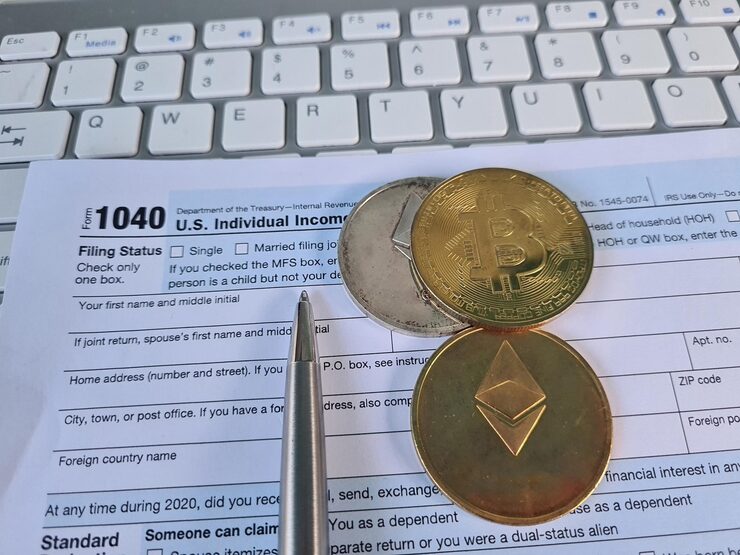
The global regulatory landscape for digital assets has transformed dramatically since Bitcoin first appeared in 2009. What started as an underground experiment in peer-to-peer electronic cash has evolved into a trillion-dollar industry that governments worldwide can no longer ignore. Every nation faces the same fundamental question: how do we classify, regulate, and integrate cryptocurrencies into our existing financial systems? The answers vary wildly depending on economic priorities, political philosophies, and technological readiness.
Understanding where cryptocurrencies stand legally isn’t just an academic exercise for enthusiasts and investors. The legal framework in your jurisdiction determines whether you can freely buy and sell digital tokens, how your gains will be taxed, what protections you have against fraud, and whether businesses can accept crypto payments. Some countries have embraced blockchain technology and digital currencies as catalysts for innovation, creating regulatory sandboxes and clear guidelines that attract entrepreneurs and investment. Others have implemented outright bans, viewing cryptocurrencies as threats to monetary sovereignty or tools for criminal activity.
This comprehensive guide examines how different nations approach cryptocurrency regulation, from the most progressive frameworks to the strictest prohibitions. We’ll explore the reasoning behind various regulatory approaches, the practical implications for users and businesses, and the broader trends shaping the future of digital asset regulation worldwide.
Understanding Cryptocurrency Regulation Frameworks
Before diving into specific countries, it helps to understand the different regulatory philosophies that governments adopt when dealing with digital assets. These approaches aren’t arbitrary but reflect deeper concerns about financial stability, consumer protection, taxation, and national security.
The Classification Challenge
One of the first hurdles regulators face is determining what cryptocurrencies actually are from a legal perspective. Are they currencies, securities, commodities, property, or something entirely new? This classification matters enormously because it determines which existing laws apply and which regulatory bodies have jurisdiction. Bitcoin might be treated as property in one country, a commodity in another, and banned entirely in a third.
The classification debate becomes even more complex when considering the diversity of digital assets. A proof-of-work coin like Bitcoin functions differently from a stablecoin pegged to the dollar, which operates differently from a token representing shares in a decentralized autonomous organization. Many governments have developed tiered classification systems that treat different types of digital assets according to their specific characteristics and use cases.
Regulatory Approaches Across Jurisdictions
Countries generally fall into several categories regarding their stance on cryptocurrencies. Progressive regulatory frameworks attempt to provide clarity while fostering innovation, typically through licensing requirements for exchanges, clear tax guidelines, and consumer protection measures. These jurisdictions recognize the potential benefits of blockchain technology and want to attract related businesses and talent.
Cautious regulatory approaches acknowledge cryptocurrencies but maintain strict oversight, often limiting their use to specific contexts or imposing heavy reporting requirements. These governments want to prevent illicit activities and protect consumers while remaining open to potential benefits. Restrictive frameworks severely limit or prohibit cryptocurrency activities, though enforcement mechanisms and the scope of restrictions vary considerably.
Countries with Progressive Cryptocurrency Regulations
Several nations have positioned themselves as cryptocurrency-friendly jurisdictions by developing comprehensive regulatory frameworks that provide legal certainty for businesses and users.
Switzerland and the Crypto Valley
Switzerland has become one of the most attractive destinations for cryptocurrency businesses, particularly around the Canton of Zug, which has earned the nickname Crypto Valley. The Swiss approach treats cryptocurrencies as assets and has developed specific regulations for different types of tokens. Payment tokens like Bitcoin are treated as means of payment, utility tokens provide access to services, and asset tokens represent underlying assets similar to securities.
The Swiss Financial Market Supervisory Authority has created clear licensing requirements for cryptocurrency exchanges and wallet providers. Companies must comply with anti-money laundering regulations and meet capital requirements, but the framework provides certainty that allows legitimate businesses to operate without fear of sudden regulatory changes. The country also allows citizens to pay certain taxes using Bitcoin and Ethereum in some municipalities, demonstrating official acceptance of cryptocurrencies as valid payment methods.
Singapore’s Balanced Approach

Singapore has established itself as a major Asian hub for cryptocurrency and blockchain innovation through its carefully calibrated regulatory framework. The Monetary Authority of Singapore oversees digital payment token services under the Payment Services Act, requiring licensing for exchanges and implementing stringent anti-money laundering and counter-terrorism financing measures.
The regulatory approach distinguishes between different types of digital tokens. Payment tokens used as a medium of exchange fall under payment services regulations, while tokens that represent securities must comply with securities laws. This nuanced approach allows innovation while maintaining appropriate oversight based on the actual risks posed by different activities. Singapore also provides clear tax treatment for cryptocurrency transactions, treating Bitcoin and similar tokens as goods subject to goods and services tax for supply of services but exempt for trading activities.
Germany’s Recognition of Digital Assets
Germany became one of the first countries to formally recognize Bitcoin as a form of private money in 2013. The Federal Financial Supervisory Authority regulates cryptocurrency businesses, requiring licensing for custody services and exchanges. German banks can now offer cryptocurrency custody services directly to clients following regulatory changes in 2020, integrating digital assets into the traditional banking system.
The tax treatment in Germany is particularly favorable for long-term holders. Individuals who hold cryptocurrencies for more than one year can sell them tax-free, treating them as private assets rather than capital gains subject to continuous taxation. This creates an incentive for investment rather than speculation. Professional trading and mining activities are taxed as business income, providing clarity for various types of cryptocurrency involvement.
Japan’s Pioneering Licensing System
Japan was one of the first major economies to regulate cryptocurrencies comprehensively after the collapse of Mt. Gox highlighted the need for proper oversight. The Payment Services Act recognizes cryptocurrencies as legal property and requires exchanges to register with the Financial Services Agency. Licensed exchanges must maintain separate customer accounts, undergo regular audits, and implement robust security measures.
Following the Coincheck hack in 2018, Japan strengthened its regulations further, requiring cold wallet storage for most customer assets and insurance coverage for hot wallet holdings. The regulatory framework applies not just to exchanges but also to cryptocurrency advertising, ensuring that marketing materials aren’t misleading. This comprehensive approach has made Japan one of the safest jurisdictions for cryptocurrency users, though the strict requirements have also led some smaller exchanges to exit the market.
Countries with Developing Regulatory Frameworks
Many nations are still working to establish clear cryptocurrency regulations, creating uncertainty but also opportunities as policies evolve.
United States Fragmented Regulation
The regulatory situation in the United States is notably complex due to the country’s federal structure and multiple regulatory agencies with overlapping jurisdictions. The Securities and Exchange Commission treats many cryptocurrencies as securities subject to federal securities laws, while the Commodity Futures Trading Commission classifies Bitcoin and Ethereum as commodities. The Financial Crimes Enforcement Network regulates cryptocurrency businesses as money transmitters, requiring registration and anti-money laundering compliance.
Different states have also implemented their own cryptocurrency regulations. New York’s BitLicense requires a special license for cryptocurrency businesses operating in the state, with stringent requirements that have driven some companies to avoid the New York market entirely. Wyoming has taken the opposite approach, passing numerous blockchain-friendly laws to attract cryptocurrency businesses. This fragmentation creates challenges for companies operating across multiple states and leaves users unsure about which rules apply to their activities.
The tax treatment adds another layer of complexity. The Internal Revenue Service treats cryptocurrencies as property, meaning every transaction potentially triggers a taxable event requiring calculation of capital gains or losses. This creates significant compliance burdens for active traders and even routine users who spend cryptocurrencies on purchases. Recent infrastructure legislation also imposed reporting requirements on cryptocurrency brokers similar to those for traditional securities brokers.
United Kingdom’s Evolving Stance
The United Kingdom has taken a measured approach to cryptocurrency regulation, treating digital assets as property rather than legal tender. The Financial Conduct Authority requires cryptocurrency businesses to register and comply with anti-money laundering regulations. The registration process has proven stringent, with the FCA rejecting numerous applications from companies unable to meet its standards.
For tax purposes, His Majesty’s Revenue and Customs treats cryptocurrencies as assets subject to capital gains tax for individuals and corporation tax for businesses. The specific tax treatment depends on the activities involved, whether investment, trading, mining, or other cryptocurrency-related activities. The UK has indicated intentions to develop more comprehensive cryptocurrency regulations, particularly around stablecoins, which it plans to bring within the regulatory perimeter as a form of payment.
European Union Comprehensive Framework
The European Union is developing a unified regulatory framework for cryptocurrencies through the Markets in Crypto-Assets Regulation, known as MiCA. This landmark legislation aims to create consistent rules across all member states, addressing the current patchwork of national regulations. MiCA will establish licensing requirements for cryptocurrency service providers, impose reserve and disclosure requirements on stablecoin issuers, and create consumer protection measures.
The regulation distinguishes between different types of crypto-assets, with specific rules for asset-referenced tokens and electronic money tokens. Service providers will need authorization to operate across the EU, but once licensed in one member state, they can passport their services throughout the union. This harmonization should reduce regulatory arbitrage and compliance costs while providing clearer rules for businesses and better protection for consumers. The framework is expected to become fully applicable by 2024.
Canada’s Provincial Variations
Canada treats cryptocurrencies as commodities, with the Canada Revenue Agency requiring reporting of cryptocurrency gains and losses for tax purposes. Cryptocurrency exchanges must register with the Financial Transactions and Reports Analysis Centre of Canada as money service businesses, complying with anti-money laundering and terrorist financing regulations.
Provincial securities regulators also play a role, particularly regarding initial coin offerings and tokens that might be considered securities. Several provinces have granted registration to cryptocurrency trading platforms, allowing them to operate as restricted dealers. The regulatory approach balances innovation and investor protection, though the involvement of multiple federal and provincial authorities creates some complexity.
Countries with Restrictive Cryptocurrency Policies
A significant number of nations have implemented severe restrictions or outright bans on cryptocurrency activities, motivated by concerns about capital flight, financial stability, or maintaining control over monetary systems.
China’s Comprehensive Ban
China’s relationship with cryptocurrencies has gone from tolerance to complete prohibition. Once home to the majority of global Bitcoin mining operations and numerous cryptocurrency exchanges, China has systematically banned cryptocurrency trading, initial coin offerings, and mining activities. The People’s Bank of China declared all cryptocurrency transactions illegal in 2021, prohibiting financial institutions from providing any cryptocurrency-related services.
The ban reflects several government concerns. Cryptocurrencies could facilitate capital flight, undermining controls on money leaving China. They also pose challenges to monetary policy implementation and financial stability. Perhaps most importantly, China wants to maintain a monopoly on digital currency through its central bank digital currency, the digital yuan, without competition from decentralized alternatives. Despite the official ban, peer-to-peer trading continues, though at significantly reduced volumes compared to the pre-ban era.
India’s Uncertain Environment
India has oscillated between restriction and tolerance for cryptocurrencies, creating enormous uncertainty for users and businesses. The Reserve Bank of India banned financial institutions from providing services to cryptocurrency businesses in 2018, effectively shutting down the industry. The Supreme Court overturned this ban in 2020, leading to a resurgence of trading and business activity.
However, regulatory uncertainty persists. The government has proposed various bills that would ban private cryptocurrencies while creating a framework for an official digital rupee. A 30 percent tax on cryptocurrency gains and a 1 percent tax deducted at source on transactions has dampened trading activity without providing clear legal status. Users and businesses remain unsure whether cryptocurrencies will be regulated, restricted, or banned entirely, making long-term planning extremely difficult.
Russia’s Ambiguous Position
Russia has taken a contradictory approach to cryptocurrencies, recognizing them as assets while prohibiting their use as payment methods. The Digital Financial Assets Law allows cryptocurrency ownership and trading but forbids using digital currencies to pay for goods and services. This creates a strange situation where cryptocurrencies are legal to own but illegal to use for their intended purpose.
The regulatory stance reflects competing interests within the Russian government. Some officials see cryptocurrencies as tools for evading international sanctions and facilitating international payments outside the dollar-dominated system. Others worry about capital flight and loss of control over the financial system. Mining is legal and has grown significantly, taking advantage of Russia’s cheap electricity, though authorities have considered restrictions in certain regions due to power grid concerns.
Islamic Republic Perspectives
Several countries with Islamic legal systems have grappled with whether cryptocurrencies comply with Sharia law principles. Some Islamic scholars argue that cryptocurrencies involve excessive uncertainty and speculation, making them incompatible with Islamic finance principles. Others contend that cryptocurrencies can be structured in Sharia-compliant ways.
Countries like Saudi Arabia and Egypt have generally discouraged cryptocurrency use, with religious authorities issuing guidance against them. However, enforcement varies, and the legal status often remains ambiguous rather than explicitly criminalized. Some Islamic financial institutions have begun exploring blockchain technology for other purposes while remaining cautious about cryptocurrencies themselves.
Countries Using Cryptocurrencies for Economic Innovation
A few nations have taken the bold step of integrating cryptocurrencies into their national economies, using them as tools for financial inclusion or economic revitalization.
El Salvador’s Bitcoin Experiment
El Salvador made history in 2021 by becoming the first country to adopt Bitcoin as legal tender alongside the US dollar. The Law Bitcoin requires businesses to accept Bitcoin for payment if they have the technological capacity to do so. The government launched a digital wallet called Chivo and provided initial Bitcoin holdings to citizens who registered.
The motivations behind this decision include reducing remittance costs, as many Salvadorans working abroad send money home through expensive traditional channels. The government also hoped to attract cryptocurrency businesses and investment, positioning the country as a hub for blockchain innovation. The experiment has been controversial, with concerns about volatility, implementation challenges, and the economic wisdom of linking national finances to a volatile asset. International financial institutions like the International Monetary Fund have expressed reservations about the policy.
Central African Republic’s Brief Adoption
The Central African Republic briefly adopted Bitcoin as legal tender in 2022 before reversing the decision several months later. The rapid reversal highlighted the challenges of implementing cryptocurrency adoption in countries with limited technological infrastructure and financial systems. Most citizens lack internet access and smartphones necessary to use cryptocurrencies, making practical adoption nearly impossible regardless of legal status.
Caribbean Digital Currency Initiatives
Several Caribbean nations have explored cryptocurrencies and blockchain technology as ways to modernize their financial systems and reduce dependence on traditional banking infrastructure. The Bahamas launched the Sand Dollar, a central bank digital currency, becoming one of the first countries to implement a nationwide digital currency. While not technically a cryptocurrency due to its centralized nature, it demonstrates Caribbean interest in digital financial innovation.
Other jurisdictions have positioned themselves as cryptocurrency-friendly for business registration and taxation purposes, though this has raised concerns about regulatory arbitrage and potential money laundering risks. The challenge for small island nations is balancing economic opportunities from attracting cryptocurrency businesses against reputational risks and pressure from larger economies to implement strict controls.
Regulatory Considerations for Cryptocurrency Users
Understanding the legal status of cryptocurrencies in your jurisdiction affects practical decisions about acquiring, holding, using, and disposing of digital assets.
Taxation Implications
Tax treatment varies enormously across jurisdictions and represents one of the most important practical considerations for cryptocurrency users. Some countries tax every cryptocurrency transaction as a taxable event, requiring detailed record-keeping of every trade, purchase, or exchange. Others provide exemptions for small transactions or long-term holdings.
The classification of cryptocurrencies for tax purposes determines whether gains are treated as capital gains or ordinary income, significantly affecting tax rates. Mining and staking rewards might be taxed as income when received and again as capital gains when sold. Airdrops, forks, and other cryptocurrency-specific events create unique tax situations that many traditional tax systems weren’t designed to handle.
Failing to properly report cryptocurrency gains can result in substantial penalties, especially as tax authorities worldwide have developed increasingly sophisticated methods for tracking cryptocurrency transactions. Many exchanges now report user information to tax authorities, making it more difficult to evade cryptocurrency taxes even if users don’t voluntarily report.
Consumer Protection and Recourse
The level of consumer protection available to cryptocurrency users depends heavily on local regulations. In jurisdictions with comprehensive licensing requirements for exchanges, users have recourse through regulatory complaints if something goes wrong. Insurance requirements or segregated customer accounts provide additional security.
In less regulated environments, users bear almost all risks themselves. If an exchange collapses, gets hacked, or simply decides to steal customer funds, recovery options are limited. The irreversible nature of cryptocurrency transactions means that users scammed or defrauded often have no practical way to recover losses. Understanding the regulatory environment helps users assess these risks and choose appropriate platforms and security measures.
Cross-Border Considerations
Cryptocurrencies exist on borderless networks, but regulations remain firmly
How Major Economies Classify Bitcoin and Altcoins Under Tax Law
The taxation of digital assets represents one of the most complex and rapidly evolving areas of financial regulation worldwide. Governments have taken vastly different approaches to classifying cryptocurrencies for tax purposes, creating a patchwork of rules that investors must navigate carefully. Understanding these classifications is essential for anyone holding, trading, or mining digital currencies, as misclassification can lead to significant financial penalties and legal complications.
The fundamental challenge facing tax authorities stems from the unique nature of blockchain-based assets. Unlike traditional financial instruments, cryptocurrencies don’t fit neatly into existing categories. They function simultaneously as payment methods, investment vehicles, commodities, and in some cases, securities. This multifaceted nature has forced regulators to make decisions that profoundly affect how millions of users report their crypto activities.
United States: Property Classification and Capital Gains Treatment
The Internal Revenue Service established its position early, issuing guidance in 2014 that treats virtual currencies as property rather than currency. This classification has far-reaching implications for American taxpayers. Every transaction involving Bitcoin, Ethereum, or any other digital asset potentially triggers a taxable event. When you use cryptocurrency to purchase coffee, you’re technically disposing of property, which means calculating gain or loss based on the difference between your purchase price and the fair market value at the time of spending.
Capital gains rules apply to most cryptocurrency transactions in America. Short-term gains, for assets held less than one year, face ordinary income tax rates ranging from ten to thirty-seven percent depending on your tax bracket. Long-term holdings benefit from preferential rates of zero, fifteen, or twenty percent. This distinction incentivizes longer holding periods and affects trading strategies significantly.
Mining activities receive treatment as self-employment income in the United States. Miners must report the fair market value of coins received as ordinary income on the date of receipt. They can deduct legitimate business expenses like electricity, equipment depreciation, and facility costs. However, hobby miners face stricter limitations on deductions, making the business versus hobby determination crucial for tax optimization.
The wash sale rule, which prevents taxpayers from claiming losses on securities they immediately repurchase, currently doesn’t apply to cryptocurrencies under their property classification. This creates tax-loss harvesting opportunities that equity investors cannot exploit. However, proposed legislation may close this loophole in coming years as Congress seeks to standardize treatment across asset classes.
Staking rewards present another taxation puzzle. The IRS position treats newly created tokens from staking as taxable income at receipt, similar to mining. Some taxpayers have challenged this interpretation, arguing that tokens should only be taxed upon sale, similar to how crops aren’t taxed until harvest and sale. Court cases addressing this question will shape future guidance.
European Union: Varied Approaches Across Member States
The European Union lacks unified cryptocurrency tax policy, with each member state implementing its own framework. This fragmentation creates both opportunities and challenges for European investors. Value-added tax treatment received early harmonization through Court of Justice rulings establishing that exchanging fiat currency for Bitcoin constitutes a financial service exempt from VAT. However, income and capital gains taxation remains entirely within national jurisdiction.
Germany offers one of the most favorable tax regimes for individual investors. Bitcoin and altcoins held for more than one year become completely tax-free when sold, with no capital gains liability. This policy recognizes long-term cryptocurrency holdings as private assets rather than speculative investments. Short-term gains face taxation as private sale transactions at progressive income tax rates. Professional traders and businesses face different rules, with gains treated as business income subject to standard corporate taxation.
The German approach to staking and lending creates additional nuance. Using cryptocurrencies to generate yield extends the holding period required for tax-free treatment from one year to ten years. This substantial difference encourages simple holding strategies over yield-generating activities for tax-conscious investors. Mining rewards constitute business income taxable immediately upon receipt, regardless of whether miners convert to fiat currency.
France initially imposed relatively harsh taxation but reformed its system to become more crypto-friendly. Prior to 2019, each cryptocurrency transaction faced taxation at progressive rates up to forty-five percent. Current law applies a flat thirty percent rate to capital gains from cryptocurrency sales, aligning digital asset treatment with other capital income. Occasional transactions by non-professional investors benefit from this simplified regime, while regular traders may face classification as professional activities subject to different rules.
Portugal emerged as a cryptocurrency tax haven within Europe by not taxing individual capital gains from crypto sales at all. This policy attracted significant attention from digital nomads and cryptocurrency investors seeking favorable jurisdictions. However, recent legislative discussions suggest Portugal may introduce taxation frameworks as adoption increases and revenue considerations become more pressing. The Portuguese tax authority treats mining and professional trading as business activities subject to standard income taxation, maintaining the favorable treatment only for passive investors.
The United Kingdom classifies cryptocurrencies as assets for capital gains tax purposes. His Majesty’s Revenue and Customs provides detailed guidance distinguishing between investment activities and trading. Most individuals fall under capital gains treatment, paying ten or twenty percent on profits depending on their income tax bracket. An annual exempt amount allows some gains tax-free each year. Those trading with sufficient frequency, organization, and sophistication may find themselves classified as traders, with profits taxed as income at rates up to forty-five percent.
British rules around mining depend on the degree of organization and commercial intent. Casual miners treat rewards as miscellaneous income, while larger operations constitute trading income subject to income tax and national insurance contributions. The tax treatment of decentralized finance activities, including liquidity provision and yield farming, continues evolving as HMRC issues updated guidance addressing these innovations.
Australia takes a pragmatic approach through its Australian Taxation Office, which treats cryptocurrency as property subject to capital gains tax rules. The country applies a fifty percent discount to capital gains for assets held longer than twelve months, effectively halving the tax liability for patient investors. This encourages long-term investment strategies over frequent trading.
Personal use exemptions provide relief for Australians using cryptocurrency as actual currency. Purchases of goods or services using digital assets worth less than ten thousand Australian dollars may qualify for exemption from capital gains tax if the cryptocurrency was held primarily for personal use rather than investment. This practical exception acknowledges the payment use case without creating tax complications for everyday transactions.
Canadian taxation follows principles similar to the United States but with important distinctions. The Canada Revenue Agency classifies cryptocurrency transactions as either business income or capital gains depending on the taxpayer’s intentions and activities. This determination significantly affects tax liability since only fifty percent of capital gains face taxation, while business income is fully taxable. Factors like frequency of transactions, time spent on cryptocurrency activities, and intent at acquisition influence the classification.
Canadian miners almost always face treatment as business income rather than capital gains due to the commercial nature of mining operations. This means full taxation of mining revenues at marginal rates, though comprehensive expense deductions help offset income. The question of whether initial coin offerings constitute capital gains or business income remains contentious, with outcomes depending on specific circumstances and taxpayer profiles.
Japan stands out for treating cryptocurrencies as miscellaneous income rather than capital gains or property. This classification proves less favorable for investors since miscellaneous income faces progressive taxation up to fifty-five percent when combining national and local taxes. Unlike capital gains systems that might offer preferential rates for long-term holdings, Japanese cryptocurrency profits always face these high marginal rates regardless of holding period.
The Japanese approach does allow offset of cryptocurrency losses against other miscellaneous income, though not against other income categories like employment or capital gains. Business expenses related to cryptocurrency activities can reduce taxable income, but the high tax rates still make Japan one of the less favorable major economies for cryptocurrency investors from a pure tax perspective. Recent discussions about reforming this treatment to encourage blockchain industry development suggest potential future changes.
Singapore positions itself as a cryptocurrency hub through favorable tax treatment. The country imposes no capital gains tax, meaning individuals buying and selling Bitcoin or altcoins as investments face no taxation on profits. This policy extends to all capital assets, not specifically targeting cryptocurrencies, but proves particularly attractive for digital asset investors.
However, Singapore distinguishes between investment and trading activities. Those conducting cryptocurrency trading as a business face taxation on profits as ordinary income. The Inland Revenue Authority of Singapore examines factors like transaction frequency, sophistication of trading strategies, and whether activities constitute systematic business operations. Most casual investors clearly fall outside business taxation, while professional traders and companies must pay corporate tax rates around seventeen percent on profits.
Mining and token rewards generally constitute taxable income in Singapore when conducted as business activities. Initial coin offering proceeds may face taxation depending on whether the authority classifies the tokens as capital assets or business inventory. The jurisdiction’s generally favorable tax environment, combined with progressive regulatory clarity, has attracted numerous cryptocurrency companies and investors.
South Korea implements comprehensive cryptocurrency taxation despite earlier delays in implementation. Capital gains from virtual asset transactions face a twenty percent tax rate on annual gains exceeding a certain threshold, with amounts below that level remaining tax-free. This approach balances revenue generation with recognition that smaller investors shouldn’t face administrative burdens for modest gains.
The Korean system requires exchanges to report transaction information to tax authorities, creating transparency and enforcement mechanisms. Gifts and inheritances of cryptocurrency also face taxation under separate rules, with value determined at the transfer date. Mining income receives treatment as other income, subject to progressive tax rates. The government continues refining these rules as it balances fostering blockchain innovation with ensuring appropriate tax collection.
India represents a jurisdiction where cryptocurrency taxation exists despite ongoing regulatory uncertainty about legal status. The government imposed a thirty percent tax on cryptocurrency gains in 2022, regardless of holding period. Additionally, a one percent tax deducted at source applies to cryptocurrency transactions above certain thresholds, creating tracking mechanisms for the tax authority. These rates exceed those for most other asset classes, reflecting official caution about digital assets.
Critically, Indian rules prevent offset of cryptocurrency losses against gains or other income. An investor experiencing losses in one cryptocurrency cannot use those losses to reduce tax liability from gains in another. This asymmetric treatment creates potentially harsh outcomes for traders facing volatile markets. The combination of high tax rates, loss limitation, and regulatory uncertainty makes India among the less favorable major economies for cryptocurrency taxation.
Switzerland applies its traditional principles to cryptocurrency taxation at both federal and cantonal levels. Digital assets constitute private wealth subject to wealth tax in most cantons, though rates vary significantly by location. Capital gains from cryptocurrency sales by private investors generally remain tax-free, similar to treatment of other private capital gains. This creates attractive conditions for investors establishing Swiss tax residency.
Professional traders face different treatment, with cryptocurrency gains taxed as self-employment income. The distinction between private investor and professional trader depends on factors including holding periods, transaction volumes, and whether trading constitutes a main income source. Corporations pay regular corporate income tax on cryptocurrency profits. Mining activities typically constitute business income subject to taxation, though hobbyist miners might argue for different treatment depending on scale and organization.
Russia developed cryptocurrency tax rules despite earlier hostility toward digital assets. Individuals must report cryptocurrency holdings and transactions, with capital gains facing the standard personal income tax rate of thirteen percent for amounts below a threshold and fifteen percent above it. Mining income receives treatment as business income, potentially subject to higher rates depending on the organizational structure. Recent legislation increasingly normalizes cryptocurrency within the Russian tax system while maintaining restrictions on its use as payment.
Brazil taxes cryptocurrency gains as capital assets subject to capital gains tax rates that increase progressively based on the amount of gain. Monthly exemptions allow smaller transactions without tax liability, recognizing that minor purchases shouldn’t create compliance burdens. Exchanges operating in Brazil must report customer transactions to tax authorities, creating information trails for enforcement. Mining and staking rewards constitute taxable income at receipt. The Brazilian approach balances taxation with practical recognition of cryptocurrency’s role in the economy.
Common Challenges Across Jurisdictions
Despite varying approaches, cryptocurrency investors worldwide face similar practical challenges in tax compliance. Calculating cost basis for assets acquired at different times and prices requires meticulous record-keeping. Many jurisdictions require specific inventory accounting methods like first-in-first-out or identified cost, affecting which acquisition costs offset sale proceeds.
Hard forks and airdrops create particular confusion. When a blockchain splits or projects distribute free tokens, questions arise about whether recipients immediately recognize income, and if so, how to value tokens that may lack established markets. Tax authorities have issued varying guidance, with some treating receipt as immediate income while others allow deferral until sale.
Decentralized finance activities including liquidity provision, yield farming, and lending protocols present cutting-edge taxation questions. Traditional frameworks struggle to address these innovations. Does providing liquidity constitute a taxable exchange? How should impermanent loss affect tax calculations? When do liquidity pool tokens themselves trigger taxation? Most jurisdictions lack clear guidance, leaving taxpayers to make good-faith interpretations that may later face challenge.
Cross-border transactions compound complexity. A taxpayer residing in one country, using an exchange based in another, trading cryptocurrencies that might be considered securities in a third jurisdiction, faces overlapping rules and potential double taxation. Tax treaties generally don’t address cryptocurrency specifically, leaving their application to these assets uncertain. Digital nomads moving between countries mid-year face particularly complex situations determining which jurisdiction taxes which activities.
Valuation poses ongoing challenges, especially for less liquid altcoins. Tax rules typically require using fair market value at transaction dates, but thinly traded tokens may lack clear market prices. Using different exchanges or pricing services can produce varying values, affecting reported income and gains. Some tokens trade only against other cryptocurrencies rather than fiat, requiring multi-step calculations to determine fiat value.
The timing of taxable events differs across jurisdictions in ways that significantly affect outcomes. Some countries tax cryptocurrency-to-cryptocurrency trades, treating them as realization events. Others only impose tax when converting to fiat currency, allowing tax-free rebalancing between different digital assets. Understanding your jurisdiction’s rules about what constitutes a taxable disposal versus a non-taxable exchange is essential for tax planning.
Lost or stolen cryptocurrency creates unfortunate tax situations. Most jurisdictions allow casualty loss deductions, but requirements vary. Proving that cryptocurrency was truly lost rather than hidden may require substantial documentation. Thefts from exchange hacks may or may not qualify for loss deductions depending on specific circumstances and jurisdictional rules about casualty losses.
Non-fungible tokens add another layer of complexity to cryptocurrency taxation. While sharing blockchain technology with cryptocurrencies, NFTs represent unique items rather than fungible units. This distinction affects tax treatment in various jurisdictions. Some classify NFTs as collectibles subject to higher tax rates, while others apply standard capital gains rules. The use of NFTs in gaming, virtual worlds, and digital art creates new scenarios that existing tax frameworks struggle to address.
Reporting requirements increasingly extend beyond just calculating tax liability. Many countries now mandate disclosure of foreign cryptocurrency holdings or accounts on foreign exchanges. Failure to file these information returns can trigger penalties separate from any tax liability. The threshold amounts and specific reporting requirements vary significantly, requiring taxpayers with international cryptocurrency activities to understand multiple reporting regimes.
Tax authorities worldwide are enhancing enforcement capabilities through exchange cooperation and blockchain analysis. Many jurisdictions now require domestic exchanges to report customer transactions, similar to traditional financial institutions. International cooperation agreements increasingly share this information across borders. Blockchain analytics firms help tax authorities trace transactions, making the once-perceived anonymity of cryptocurrency increasingly illusory for tax purposes.
Planning Considerations and Compliance Best Practices
Successful cryptocurrency tax management starts with comprehensive record-keeping from the first transaction. Documenting dates, amounts, fair market values, transaction purposes, and counterparties creates the foundation for accurate reporting. Specialized cryptocurrency tax software can help track transactions across multiple exchanges and wallets, calculate gains and losses, and generate reports formatted for tax filing.
Strategic timing of transactions can optimize tax outcomes within legal boundaries. Jurisdictions offering preferential rates for longer holding periods reward patience. Tax-loss harvesting, where legal, allows crystallizing losses to offset gains. Year-end planning to balance gains and losses within favorable tax years requires attention to wash sale rules where applicable and careful tracking of holding periods.
Entity structure choices affect taxation significantly for larger cryptocurrency operations. Operating through corporations, partnerships, or other entities may offer advantages over individual ownership depending on jurisdiction and activity type. Professional traders might benefit from business structures that allow better expense deductions and potential access to different tax rates. However, entity formation creates additional compliance costs and complexity that only makes sense above certain activity levels.
Geographic arbitrage represents another consideration for some cryptocurrency investors. Jurisdictions with favorable tax treatment attract individuals willing to establish residency to benefit from better rules. However, this strategy requires genuine relocation, as tax authorities scrutinize claims of residence changes to avoid tax. Exit taxes, continuing taxation of former residents, and complex residency rules make this option complicated and suitable only for those prepared for comprehensive life changes.
Professional advice becomes essential as cryptocurrency holdings and activity levels increase. Tax professionals specializing in cryptocurrency taxation understand the nuances of applying traditional tax principles to digital assets and stay current with evolving guidance. The cost of professional advice typically proves worthwhile by ensuring compliance, optimizing legitimate tax strategies, and avoiding costly mistakes.
Conclusion
The taxation of Bitcoin and altcoins varies dramatically across major economies, reflecting different governmental attitudes toward digital assets and varying approaches to fitting new technologies into existing legal frameworks. While some jurisdictions like Germany and Singapore offer relatively favorable treatment encouraging cryptocurrency adoption, others impose high tax rates and complex requirements that create significant compliance burdens.
Most tax systems classify cryptocurrencies as property or capital assets subject to capital gains taxation, though important exceptions exist. Rates, holding period requirements, exemptions, and what constitutes a taxable event differ substantially between countries. Mining, staking, and decentralized finance activities face additional complexity with rules continuing to evolve as authorities grapple with rapid innovation
Question-answer:
Is Bitcoin actually legal in the United States or can I get in trouble for owning it?
Bitcoin and other cryptocurrencies are legal to own, buy, and sell in the United States. The US government treats cryptocurrency as property for tax purposes, which means you need to report capital gains or losses when you sell or trade crypto. Multiple regulatory agencies oversee different aspects: the IRS handles taxation, the SEC regulates securities, and the CFTC manages derivatives. While ownership is legal, you must comply with tax reporting requirements and use registered exchanges for trading. Some states have additional licensing requirements for businesses operating with crypto, but individual ownership faces no restrictions.
Which countries have completely banned cryptocurrency?
Several nations maintain strict prohibitions on cryptocurrency activities. China has implemented one of the most extensive bans, prohibiting crypto trading, mining, and transactions since 2021. Other countries with comprehensive bans include Algeria, Bangladesh, Egypt, Iraq, Morocco, Nepal, and Qatar. These governments cite concerns about financial stability, fraud risks, and capital flight as reasons for restrictions. However, enforcement varies significantly between countries. Some nations ban banking institutions from servicing crypto businesses while not explicitly criminalizing individual ownership. The situation continues to shift as governments reassess their positions based on technological developments and economic pressures.
Can I legally use cryptocurrency in the European Union?
Yes, cryptocurrency use is legal throughout the European Union, though regulations vary between member states. The EU has been working to standardize crypto oversight through the Markets in Crypto-Assets (MiCA) regulation, which establishes a unified framework for the entire bloc. Most EU countries allow individuals to buy, sell, and hold cryptocurrencies. Exchanges must register with financial authorities and implement anti-money laundering measures. Germany recognizes Bitcoin as a unit of account, while France requires crypto service providers to register with financial regulators. Tax treatment differs by country – some nations exempt long-term holdings from capital gains tax, while others tax all transactions. Always check your specific country’s requirements within the EU for precise details.
What happens if I travel to a country where crypto is banned and I have Bitcoin on my phone wallet?
This situation creates a legal grey area that depends on the specific country and how strictly they enforce crypto bans. Most countries that prohibit cryptocurrency focus on preventing exchanges, mining operations, and businesses from operating rather than prosecuting tourists with existing wallets. Your phone wallet itself is just software, and Bitcoin exists on the blockchain rather than physically on your device. However, you likely cannot convert crypto to local currency, use it for purchases, or access local exchange services. In countries with strict enforcement like China, using crypto for transactions could theoretically result in fines or legal complications. The safest approach is to avoid any crypto-related activities while in countries with bans. Don’t attempt transactions, avoid discussing crypto investments openly, and wait until you return to a crypto-friendly jurisdiction before accessing your holdings.
