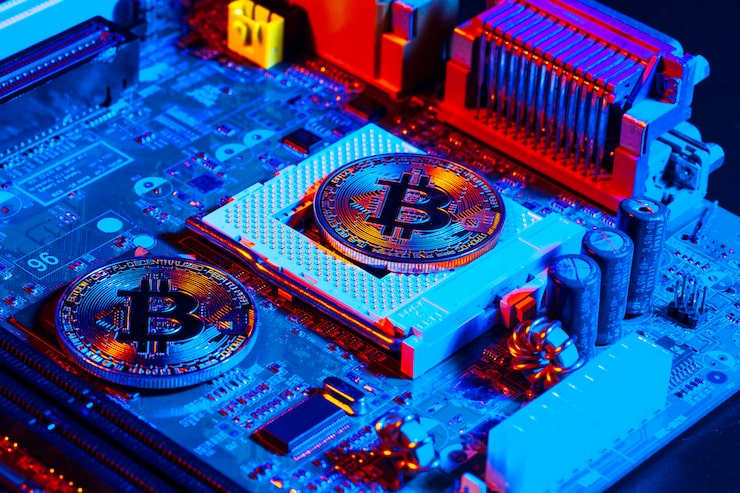
The idea of generating digital currency using the central processing unit sitting inside your desktop or laptop computer continues to attract attention from cryptocurrency enthusiasts, hobbyists, and those curious about blockchain technology. While graphics cards and specialized mining hardware dominate most mining operations today, processor-based mining remains a legitimate entry point for understanding how cryptocurrencies are created and validated through computational work.
Your computer’s processor represents the original mining tool from the earliest days of Bitcoin and other digital currencies. Before mining farms and industrial operations took over, individuals could participate meaningfully in blockchain networks using nothing more than a standard desktop computer running mining software overnight. That fundamental accessibility sparked a decentralized revolution that continues reshaping financial systems worldwide.
Understanding how processor mining works, which coins remain viable for this approach, and what realistic expectations you should maintain can help you make informed decisions about whether this activity makes sense for your situation. The landscape has changed dramatically since cryptocurrency’s inception, but opportunities still exist for those willing to research and experiment with the right projects.
Understanding the Fundamentals of Processor Mining
Mining cryptocurrency with a processor involves using your computer’s central processing unit to perform complex mathematical calculations that validate transactions on a blockchain network. When your processor successfully solves one of these cryptographic puzzles, the network rewards you with newly minted coins or transaction fees. This process secures the blockchain against attacks and ensures that all transactions are legitimate and irreversible.
The central processing unit in your machine executes instructions and performs calculations for all software running on your system. When dedicated to mining, this same hardware focuses its computational power on hashing algorithms designed to be difficult to solve but easy to verify. Different cryptocurrencies use different hashing algorithms, and some are specifically designed to be more friendly to general-purpose processors rather than specialized hardware.
The mining process begins when your software receives a block template containing pending transactions from the network. Your processor then repeatedly attempts to find a nonce value that, when combined with the block data and passed through the hashing algorithm, produces a result meeting specific criteria set by the network difficulty. This trial-and-error process continues until either you or another miner finds a valid solution.
Network difficulty adjusts automatically based on how quickly miners collectively find solutions. When more computational power joins a network, the difficulty increases to maintain consistent block times. This self-regulating mechanism means that even as hardware improves and more miners participate, blocks are discovered at roughly the same interval, ensuring predictable coin issuance and network stability.
The Evolution from Processor to Specialized Hardware

Bitcoin originally launched with the expectation that participants would mine using their regular computer processors. The pseudonymous creator Satoshi Nakamoto even expressed hope that the network would remain accessible to everyday users rather than requiring specialized equipment. For the first year or two, this vision held true, with early adopters successfully mining Bitcoin on laptops and desktop computers.
The transition away from processor mining began when programmers discovered that graphics processing units could perform the same hashing calculations much more efficiently. Graphics cards contain hundreds or thousands of small processing cores optimized for parallel calculations, making them naturally suited to the repetitive hashing operations required for mining. This GPU mining era began around 2010 and quickly rendered processor mining of Bitcoin impractical for most participants.
Field-programmable gate arrays represented the next evolution, offering even better efficiency than graphics cards by allowing miners to configure hardware specifically for mining algorithms. These devices provided a middle ground between general-purpose hardware and fully custom silicon, though they required more technical expertise to set up and operate effectively.
Application-specific integrated circuits eventually dominated mining for major cryptocurrencies. These chips are designed from the ground up to perform one task with maximum efficiency. Modern ASIC miners for Bitcoin can perform quintillions of hashing operations per second while consuming far less electricity per hash than any general-purpose processor could achieve. This specialization has made processor mining of Bitcoin and similar established cryptocurrencies economically unviable for individual participants.
Cryptocurrencies Designed for Processor Mining

Recognizing that specialized hardware threatens the decentralization and accessibility that makes cryptocurrency revolutionary, several projects have intentionally designed their systems to resist ASIC mining and remain viable for processor mining. These cryptocurrencies typically employ algorithms that require features abundant in general-purpose processors but difficult or expensive to implement in specialized hardware.
Monero stands as the most prominent example of a major cryptocurrency maintaining processor-friendly mining. The project uses the RandomX algorithm, which was specifically engineered to favor CPU architecture by requiring large amounts of memory and executing randomized code sequences that general-purpose processors handle efficiently but specialized hardware struggles with. Regular desktop and laptop processors can mine Monero with reasonable efficiency, making it a popular choice for those interested in processor mining.
The RandomX algorithm achieves ASIC resistance through several technical mechanisms. It demands at least 2 gigabytes of fast memory to execute efficiently, immediately disadvantaging specialized hardware that typically minimizes expensive memory to reduce costs. The algorithm also uses randomized virtual machine code that changes based on the data being processed, requiring the flexible instruction sets that processors excel at but ASICs cannot efficiently implement.
Several other projects focus on processor-friendly mining as part of their core philosophy. Raptoreum uses the GhostRider algorithm designed specifically for CPU mining, combining multiple hashing functions in ways that favor processor architecture. Projects like Verus Coin employ algorithms that similarly prioritize accessibility through general-purpose hardware rather than creating winner-take-all scenarios dominated by those who can afford specialized equipment.
Hardware Considerations for Processor Mining
Not all processors perform equally when mining cryptocurrency. The architecture, core count, cache size, and memory bandwidth of your processor significantly impact mining performance. Understanding these factors helps set realistic expectations and can guide hardware decisions if you’re considering building or upgrading a system for mining purposes.
Modern processors from both major manufacturers offer multiple cores that can simultaneously work on mining calculations. A processor with 8 or 16 cores can potentially achieve significantly better mining performance than a 4-core chip, assuming other factors like cache and memory bandwidth don’t become bottlenecks. The mining software typically launches one thread per core, allowing parallel computation that increases your hash rate proportionally.
Cache memory plays a crucial role in mining efficiency because algorithms like RandomX constantly access large datasets. Processors with more cache memory can keep more of this frequently accessed data close to the computational cores, reducing the need to fetch information from slower system memory. The three-level cache hierarchy in modern processors means that L3 cache size often correlates strongly with mining performance.
Memory bandwidth determines how quickly your processor can access system RAM when the required data isn’t found in cache. Mining algorithms that intentionally require large memory footprints to resist ASIC development become limited by memory performance as much as processor speed. Using faster memory modules and ensuring your system runs in dual-channel mode can meaningfully improve mining hash rates.
Thermal management becomes critical when running your processor at maximum capacity for extended periods. Mining generates substantial heat as the processor operates at full utilization around the clock. Adequate cooling ensures that thermal throttling doesn’t reduce your hash rate and that your hardware maintains longevity despite the sustained workload. Quality cooling solutions represent a worthwhile investment for serious mining efforts.
Software Requirements and Mining Tools
Getting started with processor mining requires selecting and configuring appropriate mining software. Several programs support CPU mining for various cryptocurrencies, each with different features, supported algorithms, and performance characteristics. The right choice depends on which cryptocurrency you intend to mine and your technical comfort level.
XMRig represents the most popular mining software for processor-based mining, particularly for Monero and other RandomX coins. This open-source program offers excellent performance optimization for various processor architectures and includes detailed configuration options for advanced users while remaining accessible to beginners. The software works across Windows, Linux, and macOS, making it versatile for different setups.
Configuration files for mining software specify which pool you’re connecting to, your wallet address for receiving payments, and technical parameters affecting performance. While default settings often work reasonably well, optimizing configurations for your specific hardware can increase hash rates by adjusting thread counts, cache allocation, and memory settings. Community forums and documentation provide guidance for tuning these parameters.
Some cryptocurrencies offer official wallet software with integrated mining capabilities, simplifying the process for newcomers. These all-in-one solutions handle both storing your coins and mining new ones through a unified interface. While convenience makes these options attractive for beginners, standalone mining software typically offers better performance and more configuration flexibility for those willing to invest time in setup.
Operating system choice affects mining efficiency in subtle but measurable ways. Linux distributions generally achieve slightly better mining performance compared to Windows due to lower system overhead and better memory management. However, Windows remains perfectly viable for mining, and the ease of use for those already familiar with the platform often outweighs the small performance difference.
Solo Mining Versus Pool Mining
When mining with your processor, you face a fundamental choice between solo mining and joining a mining pool. Solo mining means your computer works independently to solve blocks, and you receive the full block reward when successful. Pool mining involves combining computational power with other miners, sharing rewards proportionally based on contributed work. Each approach offers distinct advantages and challenges.
Solo mining appeals to those who value independence and want to avoid sharing rewards or paying pool fees. When you successfully mine a block alone, the entire reward belongs to you. However, the statistical reality for processor miners is that finding blocks solo can take extremely long periods, even on smaller cryptocurrencies. Your hash rate represents a tiny fraction of most network totals, making successful block discovery a rare event that could take months or years.
Mining pools aggregate hash power from many participants, dramatically increasing the frequency of successfully mined blocks. The pool operator distributes rewards based on how much work each miner contributed, typically measured through submitted shares. While you receive smaller, more frequent payments instead of occasional large rewards, the steady income stream provides more predictable returns and better visibility into whether your mining operation is functioning correctly.
Pool selection requires evaluating several factors beyond just size. Larger pools find blocks more frequently, but smaller pools often charge lower fees and may align better with decentralization principles. Geographic location affects connection latency, which can influence your effective hash rate through reduced stale shares. Pool payout schemes like PPS, PPLNS, and PROP distribute rewards differently, affecting payment consistency and pool fee structures.
Some miners rotate between pools or use mining software that automatically switches to the most profitable option based on current conditions. This approach maximizes returns but requires more complex setup and monitoring. For beginners, selecting a single reputable pool with reasonable fees and good uptime provides a simpler entry point before experimenting with advanced strategies.
Electricity Costs and Profitability Analysis
Understanding the economics of processor mining requires honest assessment of electricity costs against potential cryptocurrency earnings. Mining pushes your processor to maximum utilization, significantly increasing power consumption compared to typical computer use. The resulting electricity costs directly impact whether mining generates net profit or represents an expensive hobby.
Measuring your system’s actual power consumption while mining provides the foundation for profitability calculations. Inexpensive power meters that plug between your computer and wall outlet show exact wattage draw, which you can multiply by your local electricity rate to determine hourly costs. A typical desktop system mining with its processor might consume between 100 and 300 watts depending on hardware specifications and whether other components like graphics cards are also active.
Calculating potential earnings requires knowing your hash rate and comparing it against current network difficulty and coin prices. Various online calculators accept these inputs and estimate daily, weekly, or monthly earnings based on current conditions. Remember that cryptocurrency prices fluctuate significantly, and network difficulty adjusts over time, so calculations represent snapshots rather than guarantees of future returns.
For most people in regions with average electricity costs, processor mining operates at break-even or slight loss when valued in immediate fiat currency terms. The activity becomes more economically defensible if you believe the cryptocurrency you’re mining will appreciate significantly in value, essentially allowing you to accumulate coins at potentially below-market cost. However, directly purchasing cryptocurrency often proves more cost-effective than mining when electricity costs are substantial.
Geographic location dramatically affects mining economics due to varying electricity rates. Regions with particularly low electricity costs, renewable energy access, or specific mining-friendly policies can make processor mining economically viable where it wouldn’t be elsewhere. Some miners also value the secondary heat generation during cold months, effectively offsetting heating costs against mining expenses.
Security Considerations and Best Practices
Mining cryptocurrency introduces security considerations that require attention to protect both your hardware and earnings. Mining software runs with elevated system access and connects to internet servers, creating potential attack vectors if proper precautions aren’t maintained. Understanding these risks and implementing appropriate safeguards protects your investment and personal information.
Downloading mining software exclusively from official sources and verifying file hashes prevents malware infections. Malicious actors frequently distribute trojanized mining software that steals cryptocurrency earnings or compromises systems in other ways. Official GitHub repositories, project websites, and well-established community forums represent trusted sources, while random download sites and unverified links should be avoided entirely.
Wallet security deserves particular attention since your mining address receives all earned cryptocurrency. Using secure passwords, enabling two-factor authentication where available, and understanding the difference between hot and cold storage helps protect accumulated earnings. For significant amounts, hardware wallets provide maximum security by keeping private keys completely offline and away from potentially compromised computers.
Mining pool accounts also require security measures since they accumulate your earnings before payout thresholds are reached. Using unique passwords for pool accounts and enabling any available security features prevents unauthorized access. Some pools offer IP address restrictions or payment address locks that prevent attackers from redirecting your mining rewards even if account credentials are compromised.
System security while mining includes keeping your operating system and all software updated with security patches. Mining systems that run continuously provide extended opportunities for attackers to exploit vulnerabilities. Firewalls and basic security software offer additional protection layers without significantly impacting mining performance.
Environmental and Ethical Considerations
The environmental impact of cryptocurrency mining has generated significant discussion as the industry has grown. While processor mining represents a tiny fraction of total cryptocurrency energy consumption compared to massive ASIC mining operations, individual miners should still consider the environmental implications of their activities and make informed choices aligned with their values.
Electricity generation methods vary dramatically by region, affecting the environmental impact of mining operations. Areas powered primarily by renewable energy sources like hydroelectric, wind, or solar power have substantially lower carbon footprints than regions dependent on coal or natural gas. Understanding your local energy mix provides context for the environmental impact of your mining activities.
Some miners specifically seek out renewable energy sources or excess capacity that would otherwise go unused. Mining operations powered by solar panels during peak production hours or utilizing energy that would be curtailed due to grid constraints can actually improve overall energy efficiency. Small-scale miners increasingly consider energy source as a factor when deciding whether and how to mine.
The broader question of whether cryptocurrency mining provides sufficient value to justify its energy consumption depends largely on individual perspectives about cryptocurrency’s utility and importance. Supporters argue that securing decentralized financial networks that enable financial inclusion and resist censorship justifies the energy expenditure, comparing it favorably to traditional banking infrastructure. Critics question whether the benefits outweigh environmental costs.
Processor-focused cryptocurrencies that resist specialized hardware arguably promote better energy efficiency by preventing the massive concentrations of dedicated mining equipment that characterize Bitcoin operations. When mining remains viable on general-purpose hardware that users already own for other purposes, the marginal environmental impact decreases compared to purchasing single-purpose devices used exclusively for mining.
Troubleshooting Common Mining Issues
Miners frequently encounter technical challenges when setting up or operating their mining systems. Understanding common problems and their solutions helps minimize downtime and ensures optimal performance. Many issues have straightforward fixes once properly diagnosed.
Low hash rates compared to expectations often result from configuration problems rather than hardware issues. Incorrect thread counts, insufficient memory allocation, or background processes consuming system resources can all reduce mining performance. Checking that your mining software is properly configured for your specific processor model and that no unnecessary programs are running addresses many performance problems.
Connection issues preventing your miner from communicating with pools might stem from firewall settings, incorrect pool addresses, or network problems. Mining typically uses specific port numbers that firewalls might block by default. Verifying that your firewall allows the mining software and testing connectivity to pool servers helps identify whether the problem is local or external.
System instability or crashes during mining sometimes indicate hardware problems, inadequate cooling, or power supply limitations. Mining stresses systems in ways that normal usage doesn’t, potentially exposing marginal hardware that seemed fine under lighter loads. Monitoring temperatures and ensuring adequate power delivery capacity prevents many stability issues.
Payment delays or missing rewards usually relate to pool payout thresholds or transaction confirmation times rather than actual problems. Most pools require accumulated earnings to reach a minimum amount before sending payment, which might take days or weeks depending on your hash rate. Understanding your pool’s payment schedule and minimum thresholds prevents unnecessary concern when payments don’t arrive immediately.
Alternative Uses for Mining Hardware
Computing hardware used for mining can serve multiple purposes, and some miners integrate cryptocurrency mining into broader projects or uses. Understanding these alternative applications can help justify hardware investments and provide fallback options if mining becomes unprofitable.
Distributed computing projects like Folding@Home, BOINC, and similar initiatives use volunteer computing power for scientific research in areas including protein folding, climate modeling, and astronomical analysis. These projects typically don’t provide
How CPU Mining Works: Processing Power Converted into Digital Coins
CPU mining represents the original method of cryptocurrency creation, utilizing your computer’s central processing unit to solve complex mathematical problems. When Bitcoin first emerged in 2009, CPU mining was the primary way miners validated transactions and earned rewards. Understanding how this process transforms computational effort into digital currency requires examining the fundamental mechanics behind blockchain technology and cryptographic hashing.
At its core, CPU mining involves your processor attempting to find a specific numerical value called a nonce. This value, when combined with transaction data and processed through a cryptographic hash function, produces a result that meets predetermined network difficulty requirements. The processor runs through millions or billions of calculations per second, testing different nonce values until it discovers one that creates a valid block hash. When your CPU successfully finds this solution, you earn the right to add a new block to the blockchain and receive cryptocurrency rewards.
The Hash Function and Proof-of-Work Mechanism
The heart of CPU mining revolves around cryptographic hash functions, particularly algorithms like SHA-256 used by Bitcoin or variations employed by other cryptocurrencies. A hash function takes input data of any size and produces a fixed-length output that appears completely random. The crucial characteristic making this suitable for mining is that the function only works in one direction. You can quickly verify a solution, but finding it requires systematic trial and error.
Your CPU processes block headers containing:
- Previous block reference maintaining blockchain continuity
- Merkle root summarizing all transactions in the current block
- Timestamp marking when mining began
- Difficulty target determining how challenging the puzzle is
- Nonce value that changes with each attempt
The processor feeds this information through the hash algorithm repeatedly, modifying the nonce each time. Network protocols specify that the resulting hash must begin with a certain number of zeros or fall below a specific numeric threshold. Since hash outputs are unpredictable, finding a qualifying result becomes a game of computational chance. More processing power means more attempts per second, increasing your probability of discovering a valid solution before other miners.
Modern CPUs contain multiple cores that can work simultaneously on different nonce ranges. A quad-core processor might divide the search space into four segments, with each core testing different values independently. This parallel processing capability gives multi-core processors an advantage over single-core designs, though dedicated mining hardware has since surpassed general-purpose CPUs in efficiency.
Block Validation and Reward Distribution
When your processor finds a valid nonce, your mining software broadcasts the solution across the peer-to-peer network. Other nodes quickly verify the answer by running a single hash operation, confirming that your block meets all requirements. This asymmetry between difficult creation and easy verification forms the foundation of blockchain security. Attackers would need enormous computational resources to fraudulently modify the ledger, while honest participants can efficiently validate legitimate transactions.
Upon acceptance, the network credits your wallet address with newly minted coins plus transaction fees from operations included in your block. Bitcoin originally rewarded miners with 50 BTC per block, though this amount halves approximately every four years through programmed supply reductions. Other cryptocurrencies implement different reward schedules, with some maintaining fixed payouts while others adjust based on network conditions.
The probability of your CPU solving a block depends on your hash rate relative to total network hash rate. If your processor generates 1 megahash per second while the entire network produces 100 exahashes per second, your chances of winning any individual block are microscopically small. This reality has pushed individual CPU miners toward mining pools, where participants combine computational resources and share rewards proportionally.
Mining pools coordinate efforts by assigning different nonce ranges to members, preventing duplicate work. When any pool member discovers a valid block, the reward gets distributed based on contributed hash power. Your CPU submits partial proofs of work called shares, demonstrating ongoing participation even when not finding actual blocks. Pool operators typically charge small fees, usually 1-3%, for maintaining infrastructure and coordinating the collective effort.
The mining difficulty automatically adjusts to maintain consistent block intervals. Bitcoin targets 10-minute blocks, so if miners collectively solve puzzles too quickly, the network increases difficulty by requiring more leading zeros in valid hashes. Conversely, if blocks arrive too slowly, difficulty decreases. Your CPU faces an ever-changing challenge that responds to fluctuations in total network computing power.
Energy consumption becomes a critical factor in CPU mining profitability. Your processor draws electrical power continuously while searching for solutions, converting that energy into heat and computational work. Modern CPUs under full mining load might consume 65-125 watts depending on model and clock speed. This electricity cost must be offset by mining rewards for the operation to remain financially viable.
Different cryptocurrencies employ various hashing algorithms that influence CPU mining effectiveness:
- SHA-256 used by Bitcoin favors specialized hardware but remains accessible to CPUs
- Scrypt implemented by Litecoin requires more memory, initially resisting ASIC development
- CryptoNight utilized by Monero specifically optimizes for general-purpose processors
- RandomX, Monero’s current algorithm, leverages CPU features like cache and floating-point operations
- Ethash employed by Ethereum Classic emphasizes memory bandwidth over raw computation
Algorithm selection reflects different philosophies about mining decentralization. Some developers prefer ASIC resistance, believing that allowing ordinary computers to mine promotes wider participation and prevents centralization among industrial mining operations. Others accept specialized hardware as inevitable, focusing on network security through pure computational difficulty.
Your CPU’s architecture significantly impacts mining performance. Modern processors include instruction sets like AES-NI, AVX, and AVX2 that accelerate cryptographic operations. Mining software optimized for these extensions can dramatically increase hash rates compared to generic implementations. Similarly, cache size influences efficiency for memory-hard algorithms, as larger caches reduce the need to access slower system RAM.
The software layer translating your hardware capabilities into mining work consists of several components. Mining programs interface with your operating system to access CPU resources, implement specific hashing algorithms, and communicate with mining pools or the blockchain network directly. Popular CPU miners include XMRig, CPUminer, and algorithm-specific implementations optimized for particular coins.
Configuration parameters allow you to balance mining intensity against system usability. Most software lets you specify how many processor threads to dedicate to mining, enabling you to reserve cores for other tasks. Adjusting thread priority determines how aggressively mining competes with other programs for CPU time. These settings help maintain a responsive computer while still contributing hash power during idle periods.
Thermal management becomes important during extended mining sessions. Your CPU generates heat proportional to its workload, and sustained maximum utilization can push temperatures to concerning levels without adequate cooling. Most processors include thermal throttling mechanisms that reduce clock speed when approaching temperature limits, protecting hardware but decreasing hash rate. Proper case ventilation and heatsink contact ensure your processor maintains peak performance.
Overclocking represents an advanced technique for extracting additional performance from your CPU. By increasing clock frequencies beyond factory specifications, you can boost hash rates at the cost of higher power consumption and heat output. Successful overclocking requires understanding voltage curves, thermal limits, and stability testing. Many miners find the complexity and risk outweigh modest performance gains, especially given electricity costs.
The economics of CPU mining have shifted dramatically since cryptocurrency’s early days. When Bitcoin launched, anyone with a standard computer could profitably mine from home. As more participants joined and specialized mining equipment emerged, difficulty soared while individual CPU hash rates remained relatively stagnant. Today, CPU mining Bitcoin operates at a substantial loss for most individuals, with electricity costs far exceeding reward value.
However, certain cryptocurrencies deliberately maintain CPU mining viability. Projects emphasizing accessibility and decentralization implement algorithms that play to general-purpose processor strengths while disadvantaging specialized hardware. Monero stands as the most prominent example, having hard-forked multiple times to maintain ASIC resistance and preserve opportunities for ordinary computer owners.
Mining profitability calculators help evaluate whether CPU mining makes financial sense for your situation. These tools require inputs including:
- Your processor’s hash rate for the specific algorithm
- Electrical power consumption during mining
- Local electricity cost per kilowatt-hour
- Current cryptocurrency price and network difficulty
- Pool fees if applicable
The calculator estimates daily earnings minus electricity expenses, revealing whether you gain or lose money. Many miners discover that their operation only breaks even or operates at a small loss. Some continue anyway, valuing participation in blockchain networks or betting on future price appreciation offsetting current losses.
Cloud mining services offer alternatives to running your own hardware, though these arrangements require careful evaluation. Companies sell hash power generated by their data centers, allowing you to pay for mining without maintaining physical equipment. However, contracts frequently become unprofitable as difficulty increases, and the cloud mining industry has attracted numerous fraudulent operators promising unrealistic returns.
The environmental impact of cryptocurrency mining has sparked considerable debate. Proof-of-work consensus mechanisms inherently require significant energy expenditure to secure networks. CPU mining consumes less power than industrial ASIC operations but still converts electricity into heat while searching for solutions. Some miners address this concern by using renewable energy sources or mining only during periods when their computer would run anyway.
Alternative consensus mechanisms like proof-of-stake eliminate mining altogether, instead selecting validators based on cryptocurrency holdings. Ethereum’s transition from proof-of-work to proof-of-stake dramatically reduced that network’s energy consumption, though Bitcoin and many other chains remain committed to mining-based security. The ongoing existence of mineable cryptocurrencies ensures CPU mining retains relevance even as the broader industry evolves.
Security considerations extend beyond the blockchain itself to your mining operation. Running mining software requires trusting that the program contains no malicious code. Open-source miners allow community review, providing transparency that closed-source alternatives lack. Downloading software only from official sources and verifying cryptographic signatures helps ensure you run legitimate versions rather than trojanized fakes.
Wallet security becomes paramount once you begin accumulating mined coins. Your wallet’s private keys grant complete control over associated funds, making them attractive targets for theft. Hardware wallets store keys offline, providing strong protection against remote attacks. Software wallets balance convenience with security, while leaving significant holdings on exchange platforms introduces counterparty risk.
Tax implications vary by jurisdiction but generally treat mined cryptocurrency as income at the fair market value when received. This creates reporting obligations even if you never sell the coins. Some regions additionally assess capital gains taxes when you eventually dispose of mined cryptocurrency. Consulting with tax professionals familiar with digital assets helps ensure compliance with local regulations.
The future of CPU mining remains uncertain as blockchain technology continues evolving. New cryptocurrencies regularly launch with different algorithms and economic models, occasionally creating fresh opportunities for processor-based mining. Simultaneously, hardware improvements deliver incremental performance gains while industrial mining operations capture increasing proportions of total network hash rate.
Conclusion
CPU mining transforms your processor’s computational capabilities into cryptocurrency through systematic solving of cryptographic puzzles. This process secures blockchain networks by making fraudulent modifications computationally impractical while rewarding honest participants with newly created coins. Though economics have shifted away from profitability for many popular cryptocurrencies, certain projects maintain viable CPU mining through algorithm selection and difficulty management.
Understanding the technical mechanisms behind how processors find valid blocks provides insight into blockchain security fundamentals. The elegant asymmetry between difficult puzzle-solving and easy verification creates a system where even modest participants can verify network integrity while powerful miners compete for rewards. Whether approached as a learning experience, participation in decentralized technology, or potential income source, CPU mining offers direct engagement with cryptocurrency creation that remains accessible to anyone with a computer and internet connection.
Question-answer:
Is CPU mining still profitable in 2024, or am I just wasting electricity?
CPU mining profitability depends on several factors: the cryptocurrency you’re mining, your electricity costs, and your processor’s capabilities. For most major cryptocurrencies like Bitcoin or Ethereum, CPU mining is no longer profitable due to specialized ASIC miners dominating the networks. However, certain coins like Monero (XMR), Verus Coin (VRSC), and RandomX-based cryptocurrencies remain CPU-friendly by design. You might earn a few dollars per month with a modern processor, but this rarely covers electricity costs in areas with high power rates. The main reason people CPU mine today is either to support a network they believe in, to accumulate small amounts of specific coins, or because they have free electricity. Calculate your potential earnings using mining calculators and compare them against your power consumption before starting.
What’s the difference between CPU mining and GPU mining?
CPU mining uses your computer’s central processor, while GPU mining utilizes graphics cards. GPUs contain thousands of smaller cores designed for parallel processing, making them significantly faster for mining most cryptocurrencies—often 10-100 times more powerful than CPUs. CPUs have fewer but more complex cores better suited for general computing tasks. Some cryptocurrencies deliberately use algorithms that resist GPU acceleration to keep mining decentralized and accessible to average users. Monero is the best example, using the RandomX algorithm optimized for CPU architecture. GPU mining requires more upfront investment (graphics cards are expensive) and consumes more power, but generates higher returns for compatible coins. CPU mining has lower barriers to entry since most people already own a computer.
Will mining damage my CPU or shorten its lifespan?
Running your CPU at full capacity for extended periods does increase wear, but modern processors are designed to handle high loads. The main concerns are heat and thermal cycling. If your cooling system is adequate and temperatures stay within safe ranges (typically below 80-85°C), the actual silicon degradation is minimal. CPUs can run for years under constant load without failure. The bigger risk comes from inadequate cooling causing thermal throttling or repeated heat-up and cool-down cycles stressing the components. Make sure you have proper ventilation, clean dust from heatsinks regularly, and monitor temperatures using software like HWMonitor or Core Temp. Many miners run their CPUs 24/7 for years without issues. The electricity cost and noise from increased fan speeds are often bigger concerns than hardware damage. If you’re using a laptop, mining is generally not recommended due to limited cooling capacity.
Which CPU mining software should I use for beginners?
For newcomers, XMRig is the most popular choice for mining Monero and other RandomX coins. It’s open-source, regularly updated, and works on Windows, Linux, and macOS. The configuration might seem intimidating at first, but many mining pools provide ready-made configuration files you can download and use immediately. Another beginner-friendly option is Cudo Miner, which offers a graphical interface and automatically selects profitable coins to mine, though it takes a higher fee. NiceHash is also accessible for beginners—it pays you in Bitcoin while your CPU mines whatever algorithm is most profitable at the moment. Whichever software you choose, download only from official sources to avoid malware disguised as mining software. Most programs will require you to disable Windows Defender or antivirus temporarily since they flag miners as potentially unwanted programs. Start with a mining pool rather than solo mining, as pools provide consistent small payouts instead of rare large rewards.
