The cryptocurrency landscape has witnessed a remarkable transformation over the past few years, with memecoins emerging as one of the most unexpected yet influential phenomena in digital finance. What started as internet jokes and community experiments has evolved into a multi-billion dollar market segment that commands serious attention from traders, investors, and financial analysts worldwide. These tokens, born from social media culture and online communities, have demonstrated that market value can emerge from collective belief, humor, and viral momentum just as effectively as from traditional technological innovation or utility.
Understanding the memecoin market requires abandoning conventional investment frameworks and embracing the reality that modern financial markets are increasingly influenced by social dynamics, community engagement, and cultural relevance. Unlike traditional cryptocurrencies that emphasize technological advancement, scalability solutions, or real-world applications, memecoins derive their value primarily from community strength, narrative power, and the ability to capture public imagination. This fundamental difference creates unique market dynamics that follow patterns distinct from those observed in conventional cryptocurrency markets.
The rise of memecoins reflects broader changes in how younger generations approach investing and value creation. Social media platforms like Twitter, Reddit, TikTok, and Discord have become primary venues where market sentiment forms, viral trends begin, and investment decisions are made. This democratization of financial information and community-driven price discovery represents a significant shift from traditional top-down market analysis toward peer-to-peer influence and grassroots momentum. For anyone seeking to navigate this market successfully, understanding these social dynamics becomes just as important as analyzing charts, liquidity pools, or tokenomics.
The Evolution of Memecoins in Digital Asset Markets
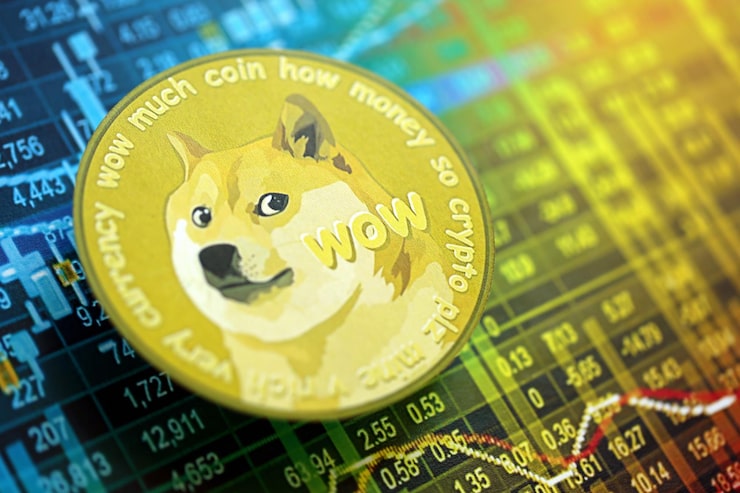
The memecoin phenomenon didn’t emerge overnight but rather evolved through distinct phases that mirror the broader maturation of cryptocurrency markets. The first generation, epitomized by Dogecoin in 2013, began as a lighthearted parody of Bitcoin and the growing cryptocurrency hype. Created by software engineers Billy Markus and Jackson Palmer, Dogecoin featured the Shiba Inu dog from the popular Doge meme and was intentionally designed to be more approachable and less serious than Bitcoin. Despite its humorous origins, Dogecoin developed a passionate community that used the token for tipping content creators, funding charitable causes, and even sponsoring a NASCAR driver.
The second wave arrived with the DeFi summer of 2020 and the subsequent explosion of decentralized exchanges and token creation platforms. Suddenly, launching a cryptocurrency became accessible to virtually anyone with basic technical knowledge. This democratization of token creation led to an explosion of dog-themed coins, food tokens, and various pop culture references transformed into tradable assets. Many of these projects had no pretense of utility or technological innovation, instead focusing entirely on community building, meme quality, and viral marketing potential.
The third and current phase represents a more sophisticated approach where memecoins increasingly incorporate elements of gamification, NFT integration, decentralized finance features, and cross-platform utility. Modern memecoin projects often launch with comprehensive marketing strategies, influencer partnerships, and carefully orchestrated social media campaigns. Some have developed entire ecosystems including staking mechanisms, governance tokens, and partnerships with established brands. This evolution demonstrates that the memecoin category is not static but continuously adapts to market conditions and community expectations.
Psychological Drivers Behind Memecoin Popularity

The explosive growth of memecoins cannot be understood through traditional financial analysis alone. These tokens tap into fundamental psychological drivers that influence human behavior in group settings. The fear of missing out, commonly known as FOMO, plays a particularly powerful role in memecoin markets. When individuals see others profiting from seemingly simple investments, especially within their social circles or online communities, the psychological pressure to participate intensifies. This creates feedback loops where rising prices attract new participants, which drives prices higher, attracting even more attention in self-reinforcing cycles.
Community belonging represents another crucial psychological factor. Memecoin holders often develop strong tribal identities around their chosen tokens, using specific terminology, sharing memes, and defending their investments against skeptics. This sense of belonging transforms financial speculation into a form of social participation where economic and social incentives become intertwined. The community aspect makes holding these tokens feel less like isolated financial risk-taking and more like being part of a movement or inside joke shared among thousands or millions of participants.
The accessibility narrative also contributes significantly to memecoin appeal. Unlike Bitcoin with its four-figure price tag or Ethereum requiring substantial capital for meaningful positions, memecoins often trade at fractions of a cent. This low nominal price creates a psychological illusion of greater upside potential and allows even small investors to own millions or billions of tokens. The mathematics of percentage returns remain identical regardless of token price, but human psychology responds differently to owning one million tokens versus owning 0.001 tokens, even when the dollar value is equivalent.
Market Mechanics and Trading Patterns
Memecoin markets exhibit distinct trading patterns that differentiate them from more established cryptocurrencies. Volatility represents the defining characteristic, with price swings of fifty percent or more occurring within single trading sessions. This extreme volatility creates opportunities for substantial profits but also poses significant risks for unprepared traders. The compressed timeframes in which these price movements occur mean that positions can move dramatically in favor or against traders within hours or even minutes, requiring constant attention and quick decision-making.
Liquidity dynamics in memecoin markets deserve particular attention. Many tokens launch with relatively shallow liquidity pools, meaning that even modest trading volumes can create significant price impacts. This thin liquidity makes these markets susceptible to manipulation, where coordinated buying or selling by groups can artificially move prices. Understanding liquidity depth, trading volume relative to market capitalization, and the distribution of token holdings becomes essential for assessing whether a memecoin represents a viable trading opportunity or a potential trap.
The role of decentralized exchanges in memecoin trading cannot be overstated. Platforms like Uniswap, PancakeSwap, and Raydium have become the primary venues where new memecoins launch and trade. Unlike centralized exchanges that require lengthy listing processes and regulatory compliance, decentralized exchanges allow anyone to create liquidity pools and begin trading immediately. This accessibility accelerates the memecoin lifecycle, allowing tokens to go from creation to viral phenomenon within days or even hours, but also means that quality control and investor protection mechanisms are minimal.
Viral Mechanism Analysis
The path from obscure token launch to viral memecoin sensation follows identifiable patterns, though replicating success remains highly unpredictable. Initial community formation typically begins in niche online spaces like Telegram groups, Discord servers, or specific Reddit communities. Early adopters, often called diamond hands for their commitment to holding through volatility, form the core community that will champion the token. These founding members create memes, spread awareness, and provide the initial momentum necessary for broader discovery.
Social media amplification represents the critical transition point where niche tokens break into mainstream awareness. A well-timed tweet from an account with substantial following, a viral TikTok video explaining the token, or organic discussion trending on Reddit can catalyze exponential growth in attention and trading volume. The algorithm-driven nature of modern social platforms means that initial engagement can trigger recommendation algorithms, exposing the token to progressively larger audiences. This algorithmic amplification explains why seemingly random tokens occasionally explode while others with similar characteristics languish in obscurity.
Celebrity and influencer involvement often marks the peak phase of memecoin viral cycles. When prominent figures mention, endorse, or even casually reference a memecoin, it can trigger massive buying pressure as their followers rush to participate. This celebrity effect can transform market capitalizations overnight, though it often marks a dangerous phase for late entrants. Historical analysis shows that tokens reaching peak social media saturation and celebrity attention frequently experience sharp corrections soon afterward, as early holders take profits and new buyers discover they entered at inflated valuations.
Risk Assessment and Due Diligence
Navigating memecoin markets safely requires developing specialized due diligence practices adapted to this unique asset class. Traditional cryptocurrency analysis focusing on technology, development teams, and use cases provides limited utility when evaluating tokens that openly acknowledge having no fundamental utility. Instead, risk assessment must focus on community authenticity, contract security, holder distribution, and liquidity characteristics. Learning to quickly evaluate these factors can mean the difference between identifying legitimate opportunities and avoiding outright scams.
Smart contract analysis represents the foundational security check for any memecoin. The contract code determines critical factors like whether developers can mint unlimited new tokens, if there are hidden fees on transactions, whether liquidity can be removed, and if certain wallets have special privileges. Various tools and services now provide automated contract audits, checking for common vulnerabilities and malicious features. While understanding smart contract code requires technical knowledge, even non-technical investors can use these audit tools to identify obvious red flags before investing.
Holder distribution analysis reveals concentration risk and potential manipulation vectors. When a small number of wallets control large percentages of total supply, those holders have the power to significantly impact prices through their trading decisions. Examining the top holder wallets, understanding whether they represent exchanges or individual accounts, and tracking their transaction history provides insight into whether a token has genuine distributed ownership or remains vulnerable to coordinated dumping. Healthy distribution patterns typically show gradual ownership dispersion over time rather than concentration in a few addresses.
Market Cycles and Timing Considerations
Memecoin markets exhibit cyclical behavior influenced by broader cryptocurrency market conditions, social media trends, and self-reinforcing psychological patterns. Understanding these cycles helps investors position themselves appropriately and manage expectations about potential returns and risks. Bull markets in major cryptocurrencies like Bitcoin and Ethereum typically create favorable conditions for memecoin speculation, as rising prices generate optimism, attract new capital, and increase risk appetite among traders. During these periods, memecoin launches proliferate and viral tokens emerge with greater frequency.
The lifecycle of individual memecoins follows relatively predictable patterns, though the duration and magnitude of each phase varies dramatically. The launch phase features early adopter accumulation, initial community formation, and preliminary marketing efforts. Tokens surviving this initial period enter a growth phase characterized by accelerating social media attention, increasing trading volumes, and expanding community size. This growth phase represents the period of maximum opportunity but also increasing risk as valuations detach from any rational valuation framework.
Peak euphoria marks the point where social media saturation reaches maximum levels, trading volumes spike to unsustainable levels, and late entrants rush to participate. Recognizing peak euphoria in real-time remains extremely difficult, as the overwhelming positive sentiment and continued price increases create conviction that further gains are certain. Historical analysis shows that the most effective risk management approach involves predetermined exit strategies that remove emotional decision-making during these intense periods. Traders who successfully navigate memecoin markets typically take partial profits during euphoric phases rather than attempting to time absolute tops.
Community Dynamics and Social Signals
The strength and authenticity of community support represents perhaps the single most important factor determining memecoin longevity and success. Genuine communities exhibit organic growth patterns, diverse member contributions, and engagement that extends beyond simple price speculation. These communities produce creative content, develop internal cultures with unique terminology and references, and maintain activity even during price downturns. Evaluating community quality requires observing social channels over time rather than relying on superficial metrics like member counts or message volumes.
Distinguishing authentic engagement from artificial manipulation presents ongoing challenges. Sophisticated marketing operations can simulate genuine community activity through bot accounts, paid promoters, and coordinated messaging campaigns. Red flags indicating artificial community building include generic enthusiastic messages without specific detail, suspicious patterns of account creation dates, repetitive messaging across multiple users, and engagement metrics that seem disproportionate to actual token adoption. Developing skepticism toward overly polished or coordinated community activity helps investors avoid projects built more on marketing than substance.
Community governance and developer transparency provide additional indicators of project legitimacy. Projects where development teams maintain open communication, explain their roadmaps, and demonstrate responsiveness to community feedback tend to sustain interest longer than anonymous teams making grandiose promises. The balance between professionalization and maintaining the irreverent, humorous character that defines memecoins represents a delicate challenge. Communities that successfully navigate this balance, combining serious operational execution with lighthearted cultural expression, demonstrate the resilience necessary for long-term relevance.
Technical Analysis in Memecoin Trading
Applying technical analysis to memecoin markets requires adapting traditional charting methods to account for extreme volatility, thin liquidity, and sentiment-driven price action. Support and resistance levels, while still relevant, form and break much more rapidly than in established markets. Price patterns that might take months to develop in traditional securities can complete within days or hours in memecoin charts. This compressed timeframe demands that technical traders adjust their time horizons, use shorter-term indicators, and maintain heightened awareness of social sentiment shifts that can invalidate technical setups instantly.
Volume analysis takes on particular importance in memecoin trading. Genuine breakouts accompanied by substantial volume increases suggest authentic buying pressure rather than manipulation or random volatility. Conversely, price movements on declining or suspiciously low volume often indicate weak momentum likely to reverse. Comparing current volume to historical averages, examining volume trends during price advances versus declines, and noting volume spikes coinciding with social media events provides valuable context for interpreting price movements.
Oscillators and momentum indicators like the Relative Strength Index offer utility but require interpretation adjusted for memecoin volatility. Traditional overbought and oversold readings that would signal reversals in conventional markets can persist for extended periods during strong memecoin trends. Traders who mechanically apply standard technical analysis rules without accounting for memecoin market structure often find themselves exiting positions prematurely during genuine trend developments or holding through reversals because indicators haven’t yet signaled extremes.
Platform and Exchange Considerations
The infrastructure supporting memecoin trading spans decentralized exchanges, centralized platforms, and specialized memecoin-focused venues, each offering distinct advantages and risks. Decentralized exchanges provide earliest access to new token launches, direct interaction with smart contracts, and truly permissionless trading. However, they also expose users to smart contract risks, require greater technical knowledge, and offer fewer consumer protections. Learning to navigate platforms like Uniswap, understanding concepts like slippage tolerance, and managing gas fees becomes essential for anyone seeking to participate in early-stage memecoin opportunities.
Centralized exchange listings represent significant milestones for memecoin projects, often triggering substantial price increases as tokens become accessible to broader audiences. Major exchanges like Binance, Coinbase, and Kraken maintain rigorous listing standards that few memecoins meet, making their listings particularly impactful. Mid-tier exchanges with less stringent requirements provide intermediate validation and liquidity improvement. Monitoring exchange listing announcements and understanding their typical price impacts helps traders anticipate and position for these events.
Wallet security takes on heightened importance when trading memecoins due to the prevalence of scams, phishing attempts, and malicious contracts. Using dedicated wallets for memecoin speculation, separate from holdings of major cryptocurrencies, limits potential losses from security breaches. Hardware wallets offer maximum security but reduced convenience for active trading. Software wallets like MetaMask provide balance between security and usability but require vigilant attention to contract approvals, website authenticity, and transaction details before confirming operations.
Regulatory Landscape and Compliance
The regulatory status of memecoins remains ambiguous in most jurisdictions, creating uncertainty for traders, developers, and platforms. Securities regulators worldwide are developing frameworks for digital assets, but memecoins occupy an especially unclear position. Their lack of utility, dependence on speculation, and resemblance to gambling raise questions about whether they should be treated as securities, commodities, or entirely new asset categories. This regulatory uncertainty creates risks that extend beyond market volatility to include potential legal complications for participants.
Tax implications of memecoin trading deserve careful consideration despite the often casual approach many traders take toward these assets. In most jurisdictions, cryptocurrency transactions trigger taxable events, with gains subject to capital gains taxes and potentially additional reporting requirements. The high frequency trading common in memecoin speculation generates numerous taxable events that create complex reporting obligations. Maintaining detailed transaction records, using cryptocurrency tax software, and consulting with tax professionals familiar with digital assets helps avoid future complications with revenue authorities.
Platform compliance requirements increasingly affect where and how memecoins can be traded. Know Your Customer and Anti-Money Laundering regulations require centralized exchanges to verify user identities, creating barriers for privacy-focused traders but providing certain consumer protections. Decentralized exchanges currently operate with minimal regulatory oversight, offering greater privacy and accessibility but fewer recourse options when problems arise. Understanding the compliance posture of different platforms helps traders make informed decisions about where to conduct their activities.
Future Outlook and Emerging Trends
The memecoin market continues evolving in directions that suggest increasing sophistication and integration with broader cryptocurrency ecosystems. Cross-chain bridges and multi-chain launches allow memecoins to exist simultaneously across multiple blockchains, expanding potential user bases and improving liquidity. Layer two scaling solutions reduce transaction costs, making small-value memecoin trades more economically viable. These technical improvements address practical limitations that previously constrained memecoin adoption and usability.
Integration with NFTs, gaming, and metaverse platforms represents another significant development direction. Memecoins increasingly serve as currencies within blockchain games, access tokens for exclusive NFT communities, or governance tokens for decentralized autonomous organizations. This evolution toward actual utility, even if secondary to the meme appeal, provides additional value propositions beyond pure speculation. Whether these utility additions meaningfully change memecoin fundamentals or
How Social Media Sentiment Drives Memecoin Price Volatility in Real-Time
The relationship between social media platforms and memecoin pricing represents one of the most fascinating dynamics in modern cryptocurrency markets. Unlike traditional assets where fundamental analysis and institutional reports guide valuation, memecoins operate in a completely different paradigm where collective emotion and online discourse become primary market drivers. Understanding this connection requires examining the mechanisms through which digital conversations translate into measurable price movements within minutes or even seconds.
Social media platforms have evolved into sophisticated information networks where millions of retail investors, influencers, and traders exchange ideas, predictions, and trading signals continuously. Twitter, Reddit, TikTok, Discord, and Telegram serve as digital town squares where sentiment forms and spreads at unprecedented speeds. When a community member posts about a potential memecoin opportunity, that message can reach thousands of readers instantly, triggering waves of buying or selling activity before traditional media outlets even become aware of the discussion.
The Architecture of Sentiment Propagation
The journey from social media post to price volatility follows predictable patterns that sophisticated traders have learned to recognize and exploit. When an influential account posts positive content about a specific memecoin, their followers react immediately by checking the token price, visiting the project website, and examining the liquidity pools on decentralized exchanges. This initial surge of attention creates the first ripple effect as early responders begin purchasing small amounts to test the waters.
As these initial purchases execute, the blockchain records every transaction publicly, creating visible momentum that analytics platforms detect and display in real-time. Other traders monitoring volume spikes receive automated alerts about unusual activity, prompting them to investigate the source of interest. This creates a feedback loop where social media generates trading activity, which in turn generates more social media discussion about the rising price, attracting additional participants to the cycle.
The speed at which this process unfolds has accelerated dramatically over recent years. Early cryptocurrency markets might have seen sentiment take days or weeks to translate into meaningful price action. Contemporary memecoin markets compress this timeline into hours or minutes. A viral tweet from a celebrity or prominent crypto personality can trigger millions of dollars in trading volume before most people finish reading the entire thread of comments.
Platform-Specific Influence Patterns
Different social media platforms contribute to memecoin volatility through distinct mechanisms and user behaviors. Twitter serves as the primary platform for breaking news and rapid information dissemination in the crypto community. The character limit forces users to communicate concisely, creating highly shareable content that spreads through retweets and quote tweets. Crypto Twitter has developed its own vocabulary, abbreviations, and cultural norms that shape how sentiment expresses itself.
Reddit operates differently, with community-moderated forums called subreddits dedicated to specific cryptocurrencies or general crypto discussion. The upvote and downvote system creates a democratic filtering mechanism where the community collectively decides which content deserves visibility. A post reaching the front page of a major cryptocurrency subreddit can expose a memecoin to hundreds of thousands of potential investors simultaneously, often resulting in dramatic price surges.
TikTok introduces visual and auditory elements into sentiment formation, with creators producing short-form videos explaining memecoin opportunities to audiences that skew younger and less experienced with cryptocurrency markets. These videos often simplify complex concepts into digestible entertainment, making crypto investing accessible to demographics that might find traditional financial education intimidating or boring. The algorithmic recommendation system can amplify a single viral video across millions of feeds, creating massive awareness spikes.
Discord and Telegram facilitate more intimate community interactions through chat-based environments where memecoin projects build dedicated follower bases. These platforms enable project teams to communicate directly with holders, share exclusive updates, and cultivate loyalty that buffers against negative price movements. The private nature of many channels creates information asymmetries where community insiders receive news before the broader market, potentially generating front-running opportunities.
Measuring Sentiment in Quantifiable Terms
Converting subjective feelings expressed through social media into objective data points represents a significant technical challenge that has spawned an entire industry of sentiment analysis tools. Natural language processing algorithms scan millions of posts daily, attempting to classify each message as positive, negative, or neutral toward specific tokens. These systems assign numerical scores to text data, creating sentiment indicators that traders can track alongside traditional technical analysis metrics.
Advanced sentiment analysis goes beyond simple positive-negative classification to measure intensity, reach, and influence-weighted scoring. A single tweet from an account with ten million followers carries more market-moving potential than a thousand posts from accounts with minimal followings. Sophisticated systems factor in follower counts, engagement rates, historical accuracy of predictions, and network effects when calculating aggregate sentiment scores.
Volume metrics complement sentiment analysis by measuring the quantity of discussion rather than just the tone. A memecoin experiencing increased mention volume across platforms demonstrates growing awareness regardless of whether those mentions express enthusiasm or skepticism. Many successful traders have learned that attention itself creates trading opportunities, with the specific sentiment direction becoming secondary to the fact that people are talking about the token at all.
Emoji analysis has emerged as a surprisingly valuable data source for sentiment measurement in memecoin markets. Users frequently express reactions through emoji combinations that convey emotional states more efficiently than words. Rocket ships, moon faces, fire symbols, and diamond hands communicate bullish sentiment, while crying faces, skulls, and downward arrows signal bearish outlooks. Algorithms that incorporate emoji frequency into sentiment calculations often outperform text-only approaches.
The Role of Influencers and Thought Leaders
Certain individuals wield disproportionate influence over memecoin markets through their social media presence and perceived expertise. These influencers range from cryptocurrency analysts with strong technical backgrounds to entertainment personalities who have casually entered the crypto space. Their posts carry such weight that sophisticated traders monitor their accounts continuously, sometimes using automated systems to execute trades within seconds of influential posts going live.
The influencer phenomenon creates a complex dynamic where individual opinions can temporarily override broader market forces. When a respected voice endorses a memecoin, their followers often interpret that endorsement as investment advice even when the influencer includes disclaimers about not providing financial guidance. This creates predictable price pumps following positive mentions and equally dramatic dumps when influencers exit positions or express concerns.
Some influencers have cultivated reputations specifically within memecoin communities, becoming known for identifying early-stage projects before mainstream attention arrives. Their track records of successful predictions enhance their credibility and amplify the impact of future endorsements. However, this creates vulnerability to manipulation, as project teams sometimes approach influencers with payment offers in exchange for promotional posts, blurring lines between genuine enthusiasm and paid marketing.
The regulatory landscape around influencer disclosures remains murky and inconsistently enforced in cryptocurrency markets. While traditional securities laws require clear disclosure of material relationships and compensation, the decentralized and international nature of crypto makes enforcement challenging. Some jurisdictions have begun prosecuting cases where influencers promoted tokens without disclosing financial arrangements, but enforcement remains sporadic compared to the volume of undisclosed promotional activity.
Real-Time Volatility Mechanics
The translation from sentiment shift to price movement happens through several interconnected mechanisms operating simultaneously. When positive sentiment surges across social platforms, some readers immediately open exchange applications and place market buy orders. These orders execute against existing sell orders in the order book, consuming available liquidity at current prices and forcing subsequent orders to fill at progressively higher prices.
As the price rises, traders using technical analysis notice breakouts above resistance levels, triggering additional buying from algorithmic trading systems programmed to follow momentum. Meanwhile, traders who already hold positions see their unrealized profits increasing, creating temptation to add to winning positions rather than taking profits. This behavior extends rallies beyond what pure sentiment analysis would predict, as technical and psychological factors compound the original social media catalyst.
Liquidity depth plays a crucial role in determining how much volatility results from a given sentiment shift. Memecoins typically trade with relatively thin liquidity compared to established cryptocurrencies, meaning smaller dollar amounts can produce larger percentage price movements. A surge of enthusiasm generating fifty thousand dollars in buy orders might move a major cryptocurrency by a fraction of a percent but could double the price of a low-liquidity memecoin.
Arbitrage opportunities emerge during rapid volatility as prices diverge across different exchanges and trading pairs. Professional traders exploit these discrepancies through automated systems that buy on platforms where prices lag and sell where prices lead, gradually equalizing prices across venues while capturing risk-free profits. This arbitrage activity accelerates price discovery but also increases overall volatility as the market searches for equilibrium.
Negative Sentiment and Downward Spirals
While positive sentiment drives prices upward, negative sentiment creates equally dramatic moves in the opposite direction, often with greater speed and severity. Fear spreads faster than greed in financial markets, and the absence of fundamental value floors for most memecoins means prices can fall as rapidly as they rose. A critical tweet from a respected analyst or news of a security vulnerability can trigger panic selling that overwhelms buy-side liquidity.
The cascading nature of negative sentiment creates feedback loops where falling prices validate bearish predictions, encouraging additional selling. Stop-loss orders trigger automatically as prices decline through predetermined levels, adding selling pressure that accelerates the downward movement. Traders who bought near peak prices face difficult decisions between holding through losses in hope of recovery or accepting realized losses by selling into a declining market.
Social media amplifies these dynamics by providing platforms for real-time loss sharing and communal despair. Holders post screenshots of declining portfolio values, creating visible evidence of losses that discourages new buyers from entering positions. The same viral mechanisms that drove explosive growth during positive sentiment phases now work in reverse, rapidly spreading awareness of problems and dampening enthusiasm.
Recovery from negative sentiment requires rebuilt trust and renewed catalysts, which typically take considerably longer than the initial decline. Projects must address the concerns that triggered selling, demonstrate continued development activity, and generate new reasons for optimism. The memecoin landscape includes countless examples of tokens that experienced brief periods of intense hype followed by permanent declines into obscurity as negative sentiment never fully reversed.
Manipulation and Coordinated Activity
The powerful relationship between social sentiment and price creates obvious opportunities for market manipulation that bad actors regularly exploit. Pump and dump schemes represent the most blatant form, where coordinated groups accumulate positions in low-liquidity memecoins before simultaneously promoting them across social platforms. The resulting buying pressure from uninformed retail investors drives prices upward, allowing the coordinating group to sell at profits before public enthusiasm wanes.
These schemes often use private channels to coordinate buying and public channels for promotion, creating information asymmetries that favor insiders. Participants receive instructions about which token to target, what time to begin buying, and when to start promotional activities. The organizers typically enter and exit positions before regular members, extracting maximum profit while leaving latecomers holding worthless tokens after the dump phase completes.
Bot networks amplify manipulation by creating artificial impression of organic enthusiasm. Automated accounts post positive messages, retweet promotional content, and respond to threads with encouraging comments, manufacturing the appearance of grassroots community support. Sophisticated detection becomes difficult when bot operators use aged accounts with posting histories, blend automated and manual activity, and vary timing patterns to avoid obvious signatures.
Regulatory authorities have increased attention to social media manipulation in cryptocurrency markets, but enforcement challenges remain substantial. The pseudonymous nature of many social accounts, international jurisdictions, and technical complexities of cryptocurrency make prosecution difficult. Some exchanges have implemented monitoring systems to detect suspicious social activity correlating with abnormal trading patterns, but manipulators continuously evolve tactics to evade detection.
Sentiment Analysis Tools and Trading Strategies
Professional traders and institutions have developed sophisticated systems for monitoring social sentiment and executing strategies based on detected patterns. These tools aggregate data from multiple platforms simultaneously, applying machine learning models to identify significant sentiment shifts before they fully translate into price movements. The competitive advantage comes from speed, with microseconds of reaction time difference determining profitability.
Some platforms offer retail investors access to sentiment dashboards displaying real-time metrics about social activity surrounding various memecoins. These interfaces typically show mention volume trends, sentiment polarity scores, influencer activity, and comparative rankings across tokens. While democratizing access to sentiment data, these tools also suffer from lag compared to institutional systems and may miss nuanced context that human interpretation would catch.
Contrarian strategies attempt to profit from sentiment extremes by taking positions opposite to prevailing mood. When sentiment reaches euphoric levels, contrarians prepare to short or sell, anticipating exhaustion of new buyers and inevitable reversal. Conversely, when despair dominates discussions, contrarians look for accumulation opportunities, betting on eventual recovery. These approaches require strong discipline to act against crowd psychology and withstand periods when momentum extends further than expected.
Integration of sentiment data with traditional technical analysis creates hybrid approaches that many traders find effective. A bullish technical setup gains conviction when accompanied by improving sentiment metrics, while deteriorating sentiment might trigger earlier exits from positions despite otherwise favorable technical patterns. This synthesis recognizes that memecoin prices result from interplay between crowd psychology and market mechanics rather than either factor in isolation.
Case Studies of Sentiment-Driven Volatility
Historical examples illustrate the dramatic impact social sentiment can have on memecoin valuations over compressed timeframes. One notable instance involved a dog-themed token that experienced a four hundred percent price increase within six hours following a single tweet from a celebrity entrepreneur. The post contained no substantive information about the project, just a simple image reference, yet triggered massive buying as followers interpreted the post as endorsement.
The subsequent days demonstrated the ephemeral nature of purely sentiment-driven rallies as the price gave back most gains when no follow-up catalyst materialized. Traders who bought during the initial surge and failed to take profits quickly found themselves holding positions at significant losses. This pattern repeated multiple times with the same token, creating recognizable cycles where sentiment spikes produced temporary price increases followed by gradual declines.
Another example involved community-driven sentiment organized through Reddit forums, where coordinated enthusiasm created sustained upward pressure over several weeks. Unlike pump and dump schemes, this movement appeared to involve genuine grassroots participation from thousands of individual investors attracted by community culture and humor rather than promises of financial returns. The social bonding around the memecoin created unusual resilience, with holders actively encouraging each other to maintain positions through volatility.
Negative sentiment case studies often involve security breaches or revelations about deceptive practices by project teams. When evidence emerges that developers hold large undisclosed token allocations or that smart contracts contain hidden functions allowing theft of user funds, social media rapidly disseminates warnings. Prices can decline ninety percent or more within hours as the community collectively abandons the project, with remaining liquidity evaporating as sellers overwhelm any residual buying interest.
The Psychology Behind Sentiment Participation
Understanding why individuals amplify sentiment requires examining the psychological factors that drive social media behavior in financial contexts. Fear of missing out represents one of the most powerful motivators, as people observe others apparently profiting from memecoin investments and worry about being left behind. Social proof creates validation, with the reasoning that if many others are buying, the decision must have merit even without independent analysis.
Identity formation through community participation adds non-financial dimensions to memecoin involvement. Holders often view themselves as part of a movement or tribe rather than simply investors seeking returns. This identity attachment makes them more likely to promote the token across social channels, defend it against criticism, and hold through volatility when purely financial logic might suggest selling. The social belonging and shared purpose fulfill psychological needs beyond profit seeking.
Gamification elements present in memecoin culture transform investing into entertainment and competition. Leaderboards showing top holders, special roles in community channels based on holding amounts, and exclusive content access for committed participants create game-like dynamics. This framing reduces perception of financial risk while increasing engagement, leading participants to post more frequently and enthusiastically, further amplifying sentiment signals.
Cognitive biases significantly influence how individuals interpret and respond to social sentiment. Confirmation bias leads people to notice and remember information supporting their existing positions while dismissing contradictory evidence. Recency bias causes overweighting of recent price movements and social discussions when forming expectations. Anchoring makes early price levels seem like natural reference points regardless of fundamental justification. These systematic thinking errors explain why sentiment often diverges from rational valuation.
Platform Algorithms and Content Amplification
The algorithms governing content visibility on social platforms play crucial roles in determining which memecoin discussions reach critical mass. These systems optimize for engagement metrics like time spent, interactions, and return visits rather than information accuracy or user financial outcomes. Content that generates strong emotional reactions, controversy, or urgent calls to action receives preferential distribution because it drives platform engagement.
This creates a natural selection process favoring sensational memecoin content over balanced analysis. Posts predicting dramatic price increases or warning of imminent crashes generate more clicks, comments, and shares than moderate assessments of fair value. The algorithmic reward system incentivizes content creators to produce increasingly extreme predictions and urgent framing, contributing to overall market volatility as users encounter primarily emotional rather than analytical content.
Echo chambers form when algorithms serve users content similar to what they previously engaged with, gradually narrowing information exposure. Someone who clicks on bullish memecoin content will see increasingly one-sided positive perspectives as the algorithm learns their preferences. This creates fragmented information environments where different user groups inhabit separate reality bubbles with little overlap, believing their perspective represents consensus when it actually reflects algorithmic curation.
Platform design choices around features like quote tweeting, stitching videos, or crossposting to multiple communities affect how rapidly sentiment spreads. Features enabling easy content
Q&A:
What causes certain memecoins to suddenly explode in popularity while others fail?
The success of memecoins depends on several interconnected factors. Strong community engagement stands as the primary driver – tokens that generate active discussion on social media platforms, particularly Twitter and Reddit, tend to gain momentum quickly. Timing plays a significant role too; memecoins that launch during periods of high market liquidity or align with trending cultural moments see better traction. Celebrity endorsements or influencer mentions can trigger massive price spikes within hours. Technical aspects matter as well – low entry prices and high token supplies create psychological appeal for retail investors hoping for substantial returns. Memecoins with clear branding, memorable names, and humorous narratives spread more easily across social networks, generating the viral attention needed for rapid growth.
How can I identify a memecoin before it goes viral?
Early identification requires monitoring multiple signals across different platforms. Watch for growing engagement metrics on Twitter, including increasing follower counts, retweet volumes, and hashtag usage related to specific tokens. Check Telegram and Discord communities for sudden membership surges and active daily conversations. On-chain data provides valuable insights – look for rising transaction counts, growing numbers of unique wallet holders, and increasing liquidity pool sizes. Google Trends data can reveal search interest before mainstream awareness hits. Pay attention to which tokens crypto influencers begin discussing, even casually. Smart contract audits and transparent developer teams reduce risk, though many successful memecoins lack traditional legitimacy markers. Track new listings on decentralized exchanges like Uniswap or PancakeSwap, as viral tokens often gain traction there first before reaching centralized platforms.
Are memecoins just gambling or is there actual investment strategy involved?
Memecoins occupy a space between pure speculation and strategic trading. While they lack the fundamental value propositions of established cryptocurrencies, patterns do emerge that informed traders exploit. Successful memecoin investors typically allocate only small portions of their portfolio to these high-risk assets, treating them as speculative plays rather than long-term holdings. They employ strict risk management – setting stop-losses, taking profits at predetermined levels, and never investing more than they can afford to lose completely. Some traders focus on momentum strategies, entering positions when volume and social metrics indicate growing interest, then exiting during peak hype. Others hunt for early-stage projects with strong community formation and unique branding elements. However, the memecoin market remains highly unpredictable, with prices driven by social sentiment rather than rational valuation methods. Most memecoins eventually lose 90% or more of their peak value, making timing and exit strategy absolutely critical for any positive returns.
What’s the difference between established memecoins like Dogecoin and new viral tokens?
Dogecoin and similar early memecoins have developed characteristics that separate them from newer launches. Dogecoin benefits from years of community building, widespread exchange listings, and cultural recognition beyond crypto circles. Its longer track record provides some price stability compared to newer tokens, though it remains highly volatile. Established memecoins have survived multiple market cycles, demonstrating resilience that new tokens haven’t yet proven. They often have actual use cases emerging – Dogecoin processes payments for various merchants, while Shiba Inu has developed an ecosystem with swaps and NFTs. New viral tokens typically launch with nothing but branding and social media hype, relying entirely on speculative interest. They face higher risks of rug pulls, where developers abandon projects after extracting liquidity. Newer tokens often see more extreme price movements – 1000% gains or 99% crashes within days – while established memecoins move more gradually. Liquidity differs significantly too; established coins trade with deeper order books, allowing larger positions without severe slippage.
How do viral memecoin trends affect the broader cryptocurrency market?
Memecoin frenzies create ripple effects throughout crypto markets in several ways. During major memecoin rallies, capital often flows away from established cryptocurrencies as traders chase higher short-term returns, creating temporary price pressure on Bitcoin, Ethereum, and altcoins. These episodes bring new participants into crypto – people who first hear about cryptocurrency through viral memecoin stories – though many lose money and exit quickly, sometimes developing negative perceptions of the entire sector. Memecoin mania typically increases overall market volatility and trading volumes across exchanges. Gas fees on networks like Ethereum spike when memecoin trading intensifies, affecting users of DeFi protocols and NFT platforms. Regulatory attention increases following memecoin crashes that harm retail investors, potentially leading to stricter oversight affecting all digital assets. On the positive side, memecoin success stories demonstrate blockchain’s permissionless nature and ability to create new assets instantly. They also drive innovation in trading infrastructure, as exchanges and wallet providers improve systems to handle sudden volume surges. The cyclical nature of memecoin trends often correlates with broader market sentiment – they flourish during bull markets when risk appetite is high and largely disappear during bear markets when investors seek safer assets.
