The digital asset market operates around the clock across numerous exchanges worldwide, generating massive amounts of data every second. Understanding how to interpret this information has become essential for anyone looking to make informed decisions in cryptocurrency markets. Trading volume stands as one of the most reliable indicators available to traders, yet many people overlook its significance or fail to analyze it properly. Unlike traditional stock markets with centralized reporting systems, blockchain networks and decentralized exchanges present unique challenges and opportunities for volume analysis.
When you see a price movement in Bitcoin, Ethereum, or any altcoin, the volume behind that movement tells a story that price alone cannot convey. A sharp price increase accompanied by low volume might signal a weak trend destined to reverse quickly, while the same price action with substantial volume often indicates genuine market interest and sustainable momentum. This distinction becomes particularly important in cryptocurrency markets where manipulation, wash trading, and artificial volume inflation remain persistent concerns across various platforms.
The evolution of volume analysis techniques has accelerated dramatically over recent years as institutional investors entered the space alongside retail traders. Market participants now have access to sophisticated tools that were once reserved for professional trading desks on Wall Street. These developments have transformed how we examine liquidity patterns, order book depth, and transaction flows across different blockchain protocols and trading venues.
Understanding Volume Metrics in Cryptocurrency Markets
Volume represents the total amount of an asset traded during a specific timeframe, typically measured in either the cryptocurrency itself or its equivalent value in dollars or other fiat currencies. When examining Bitcoin markets, you might see volume expressed as the number of BTC traded or the total dollar value of those transactions. Both measurements provide valuable insights, though they serve different analytical purposes depending on your trading strategy and market conditions.
Spot volume differs fundamentally from derivatives volume, yet both influence price discovery and market sentiment. Spot trading involves direct exchange of cryptocurrencies where actual ownership transfers between parties. Derivatives markets, including futures contracts, perpetual swaps, and options, allow traders to speculate on price movements without holding the underlying asset. Major platforms like Binance, Coinbase, Kraken, and decentralized exchanges contribute to aggregate volume figures, though the accuracy and legitimacy of reported numbers varies significantly across different venues.
The concept of adjusted volume has gained prominence as researchers and data providers work to filter out suspicious trading activity. CoinMarketCap, CoinGecko, and specialized blockchain analytics firms employ various methodologies to identify and exclude wash trading where entities simultaneously buy and sell to create artificial volume. These adjustments can reduce reported volume by substantial percentages on certain exchanges, revealing a more accurate picture of genuine market activity and liquidity conditions.
Real Volume Versus Reported Volume
The cryptocurrency industry faces an ongoing challenge with volume authenticity. Exchanges without proper regulatory oversight sometimes inflate their numbers to appear more liquid and attract additional users. This practice creates misleading signals for traders who rely on volume data for decision-making. Blockchain transparency allows independent verification of on-chain transactions, but centralized exchange volume requires trust in the platform’s reporting accuracy unless third-party audits confirm the figures.
On-chain metrics provide an alternative perspective by tracking actual blockchain transactions rather than exchange-reported numbers. When examining Ethereum or other smart contract platforms, you can observe transaction counts, gas fees, active addresses, and value transferred directly from blockchain data. These metrics offer unmanipulated insights into network usage and genuine economic activity, though they include both trading and non-trading transactions such as transfers between wallets or smart contract interactions.
Technical Analysis Methods Using Volume Data
Volume analysis extends far beyond simply observing whether trading activity increased or decreased. Sophisticated traders combine volume with price action to identify patterns that suggest future market movements. The relationship between these two variables reveals market psychology, institutional positioning, and the balance between buyers and sellers at different price levels.
Volume profile analysis maps out how much trading occurred at each price level over a specified period. This technique creates a horizontal histogram alongside a price chart, showing where the market spent the most time and where the heaviest trading took place. Areas with high volume often act as support or resistance zones because many participants have positions at those prices and will react when the market returns to test those levels. Point of control, the price level with the highest volume, frequently becomes a magnet for future price action.
The volume-weighted average price calculation gives traders a benchmark representing the average price weighted by volume throughout a trading session. Institutional investors frequently use this metric to evaluate execution quality and determine whether they achieved favorable entry or exit prices. When current prices trade above VWAP, it suggests bullish sentiment, while prices below indicate bearish pressure. Many algorithmic trading systems incorporate this indicator into their decision-making frameworks.
Volume Oscillators and Momentum Indicators
Technical indicators that incorporate volume help quantify momentum and identify potential trend changes. The on-balance volume indicator maintains a running total that adds volume on up days and subtracts volume on down days. Divergences between price and OBV can signal weakening trends before they become obvious through price action alone. When Bitcoin makes new highs but OBV fails to confirm, it suggests the rally lacks broad participation and may be vulnerable to reversal.
The Chaikin money flow indicator measures the accumulation and distribution of an asset over a set period by considering both price and volume. Positive values indicate buying pressure while negative readings suggest distribution. This tool helps distinguish between genuine breakouts supported by strong volume and false moves that lack conviction. Traders often combine CMF with other momentum oscillators to build robust confirmation systems for entry and exit decisions.
Volume rate of change compares current volume to volume from a previous period, expressed as a percentage. Spikes in this indicator often precede significant price movements as they reflect sudden changes in market participation. When you see VROC surge alongside a breakout from a consolidation pattern, it adds credibility to the move and suggests follow-through is likely. Conversely, declining VROC during an apparent trend warns that momentum is fading.
Exchange-Specific Volume Patterns
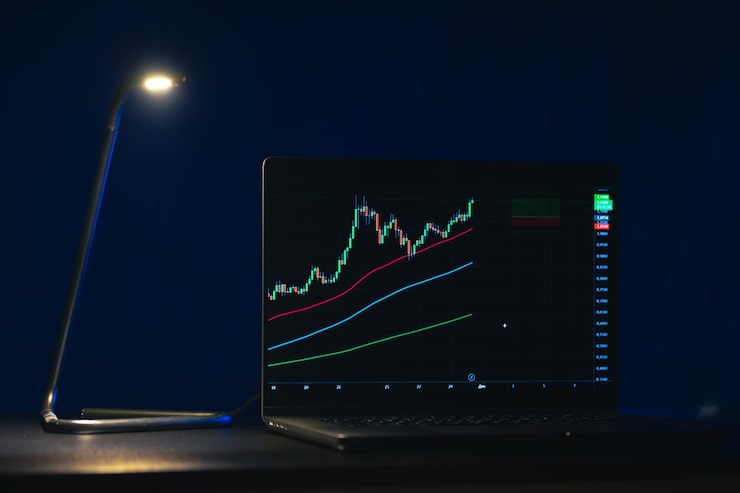
Different trading platforms exhibit unique volume characteristics based on their user base, geographic focus, and available trading pairs. Binance consistently ranks as the highest volume exchange for spot trading, offering hundreds of cryptocurrency pairs with deep liquidity in major assets. Its dominance in altcoin trading means volume patterns on Binance often lead movements in smaller cap tokens before other exchanges reflect similar activity.
Coinbase serves primarily retail investors in the United States and other regulated markets, creating distinct volume patterns tied to Western trading hours and regulatory developments affecting American investors. Unusual volume spikes on Coinbase relative to other exchanges can signal institutional buying or retail FOMO, particularly when they coincide with mainstream media coverage or major announcements affecting cryptocurrency adoption.
Decentralized exchanges like Uniswap, SushiSwap, and PancakeSwap have transformed volume analysis by introducing automated market makers and liquidity pools. Volume on these platforms reflects different dynamics than order book exchanges because trades execute against pooled liquidity rather than matching discrete buy and sell orders. DEX volume has grown substantially, especially during periods when users seek alternatives to centralized platforms or want to trade newly launched tokens before they appear on major exchanges.
Derivatives Markets and Leverage Impact
Futures and perpetual swap markets often see volume multiples higher than spot markets, partly because leverage allows traders to control larger positions with less capital. BitMEX pioneered cryptocurrency perpetual contracts, though platforms like Bybit, Deribit, and the derivatives sections of major exchanges now dominate this space. Derivatives volume provides insights into trader positioning and can amplify price movements through liquidation cascades when leveraged positions get stopped out.
Open interest, the total value of outstanding derivative contracts, works alongside volume to reveal market sentiment. Rising open interest with increasing prices suggests new money entering long positions, typically bullish. Declining open interest during a rally might indicate short covering rather than fresh buying. Options markets add another layer with put-call ratios and implied volatility metrics that help gauge fear and greed among sophisticated traders.
Current Trends Shaping Volume Analysis

The maturation of cryptocurrency markets has brought institutional participation that fundamentally changes volume patterns and market microstructure. Pension funds, hedge funds, and corporate treasuries now allocate portions of their portfolios to digital assets, bringing larger trade sizes and different timing patterns compared to retail activity. This institutional involvement tends to concentrate volume during traditional financial market hours and creates more stable liquidity conditions.
Algorithmic and high-frequency trading have become prevalent across major cryptocurrency exchanges, contributing significant percentages of daily volume. Market makers deploy sophisticated strategies to capture spreads and provide liquidity while minimizing directional risk. These automated systems react instantly to order flow and news events, creating volume spikes and rapid price adjustments that differ from the more gradual movements seen in less automated markets.
Cross-chain bridges and multi-chain ecosystems are dispersing liquidity across various blockchain networks rather than concentrating it on Ethereum or Bitcoin networks alone. Solana, Avalanche, Polygon, and other layer-one blockchains host thriving DeFi ecosystems with substantial trading volume. Analyzing volume requires examining activity across multiple chains and understanding how liquidity flows between networks through bridging protocols and cross-chain DEX aggregators.
Regulatory Developments and Transparency Requirements
Increased regulatory scrutiny in major jurisdictions has pushed exchanges toward greater transparency in volume reporting. The Financial Action Task Force guidelines and local regulations in the United States, European Union, and Asian countries now require licensed platforms to implement surveillance systems and report suspicious activities. These compliance measures have reduced wash trading on regulated exchanges while potentially pushing questionable activity to offshore platforms.
The approval of Bitcoin exchange-traded funds and similar investment products has created new volume streams through traditional brokerage channels. These products allow mainstream investors to gain cryptocurrency exposure without directly holding digital assets, generating volume that doesn’t appear on crypto exchanges but influences overall market dynamics through arbitrage mechanisms and hedging activities by fund operators.
Advanced Volume Analysis Techniques
Cluster analysis examines volume concentrations at specific price levels to identify significant zones where large players likely have interests. When substantial volume accumulates within a narrow price range, it creates a volume cluster that often acts as a pivot point for future price action. Traders monitor these clusters because breaking through them typically requires significant effort, while bouncing off them confirms their importance as support or resistance.
Delta analysis tracks the difference between buying and selling volume in real-time, providing immediate insights into order flow dynamics. Positive delta indicates more aggressive buying as market orders hit asks, while negative delta shows dominant selling pressure. This granular approach requires access to detailed order book data and helps short-term traders identify micro-trends within larger market movements.
Volume spread analysis correlates the relationship between volume and price range within each candle or bar. Wide-ranging bars with high volume typically indicate strong trending behavior, while narrow ranges despite heavy volume suggest indecision or distribution. This methodology helps distinguish between different types of market activity and can identify exhaustion patterns before obvious reversal signals appear on standard indicators.
Order Book Depth and Liquidity Metrics
Market depth refers to the volume of buy and sell orders at various price levels surrounding the current market price. Deep markets with substantial orders on both sides can absorb large trades without significant price impact, while thin order books experience dramatic swings from modest-sized orders. Monitoring order book depth alongside executed volume reveals whether the market can support your trading size and helps anticipate potential slippage.
Liquidity heatmaps visualize order book depth across multiple price levels and time periods, showing where substantial buy and sell walls exist. These walls sometimes represent genuine interest from large holders or institutions, but they can also be spoofed orders that disappear when prices approach. Distinguishing between real and fake liquidity requires observing how orders behave as prices move toward them and whether they get filled or canceled.
Machine Learning and Predictive Volume Analysis
Artificial intelligence and machine learning applications have revolutionized how traders analyze volume patterns and predict future movements. Neural networks can identify complex relationships between volume, price, and numerous other variables that human analysts might miss. These systems process massive datasets from multiple sources simultaneously, detecting subtle patterns that emerge across different timeframes and market conditions.
Sentiment analysis tools now incorporate social media activity, news coverage, and on-chain metrics alongside traditional volume data to create comprehensive market models. Natural language processing algorithms scan Twitter, Reddit, Telegram groups, and news articles to quantify community sentiment, then correlate these findings with volume patterns to identify potential market moves before they fully develop.
Predictive models using historical volume patterns attempt to forecast future price movements based on similarities to past situations. While no model achieves perfect accuracy in chaotic cryptocurrency markets, machine learning approaches can identify probabilistic edges that improve decision-making over time. These systems continuously learn from new data, adapting their parameters as market conditions evolve and new patterns emerge.
Real-Time Data Aggregation Challenges
Analyzing volume across the fragmented cryptocurrency landscape requires aggregating data from dozens of exchanges and blockchain networks. API limitations, varying data formats, and synchronization challenges complicate efforts to build comprehensive real-time volume monitoring systems. Professional traders and institutions invest heavily in data infrastructure to overcome these obstacles, gaining advantages over participants relying on delayed or incomplete information.
WebSocket connections and low-latency data feeds provide the fastest access to volume updates, enabling strategies that depend on identifying opportunities within seconds or milliseconds. The cost and technical complexity of maintaining these systems creates a divide between well-resourced participants and those using standard retail tools. However, improved data services from providers like CryptoCompare, Kaiko, and others have democratized access to institutional-grade volume analytics.
Practical Applications for Different Trading Styles
Day traders rely heavily on intraday volume patterns to identify momentum and potential reversals within single trading sessions. They watch for volume surges at market open, during major news releases, and at key technical levels. High volume breakouts from consolidation patterns offer opportunities for quick profits, while diminishing volume during trends signals possible exhaustion and time to consider exits.
Swing traders holding positions for days or weeks use volume analysis to confirm trend strength and identify optimal entry points during pullbacks. They prefer entering when retracements occur on declining volume, suggesting the correction lacks conviction and the main trend will likely resume. Exit decisions often consider whether volume patterns show distribution as smart money takes profits before reversals.
Long-term investors and position traders examine volume over monthly and yearly timeframes to understand major accumulation and distribution phases. Extended periods of above-average volume often mark significant bottoms or tops as positions change hands between different market participants. These macro volume patterns help identify strategic buying opportunities during capitulation events and warn when euphoric volume spikes suggest market tops.
Risk Management Through Volume Analysis
Volume analysis strengthens risk management by helping traders avoid low-liquidity situations where exits become difficult. Before entering positions, prudent traders verify sufficient volume exists to close trades at reasonable prices if conditions deteriorate. This consideration becomes especially important in altcoins where liquidity can evaporate quickly during market stress.
Unusual volume patterns sometimes precede major news events or insider trading activity, serving as early warning signals for risk-aware traders. Significant volume increases without obvious catalysts warrant caution, as they might indicate information asymmetry where some participants know something the broader market doesn’t. Tightening stop losses and reducing position sizes in response to suspicious volume patterns protects capital during uncertain conditions.
Comparing Volume Across Different Cryptocurrencies
Bitcoin typically maintains the highest absolute trading volume due to its market dominance and status as the primary gateway between fiat and cryptocurrency. Analyzing Bitcoin volume provides insights into overall market sentiment since capital flows often begin with BTC before rotating into alternative cryptocurrencies. Unusual Bitcoin volume patterns frequently precede broader market movements that eventually affect all digital assets.
Ethereum volume characteristics differ from Bitcoin because of its role in decentralized finance and non-fungible token markets. Gas price spikes often correlate with increased on-chain activity and DEX volume as users compete for transaction processing. Understanding these dynamics helps traders anticipate Ethereum price movements related to network usage rather than purely speculative trading.
Smaller capitalization altcoins exhibit more volatile volume patterns with periods of intense activity followed by quiet phases. These assets often see volume surges during pumps driven by social media hype or exchange listings, then fade into low liquidity as attention moves elsewhere. Trading these requires careful volume analysis to avoid getting trapped in positions with insufficient liquidity for orderly exits.
Volume Relationships Between Correlated Assets
Studying relative volume between Bitcoin and major altcoins reveals rotation patterns as capital shifts between different segments of the cryptocurrency market. When Bitcoin volume increases while altcoin volume declines, it suggests flight to safety or market uncertainty. Conversely, strong altcoin volume with stable Bitcoin activity often indicates risk-on sentiment and confidence in continued bull market conditions.
Stablecoin volume provides another useful metric for gauging overall market activity and preparation for potential moves. Rising stablecoin trading volume sometimes precedes major price movements as traders position capital in stable assets before deploying it into directional trades. Monitoring USDT, USDC, and other stablecoin flows offers insights into available buying power waiting on the sidelines.
Tools and Platforms for Volume Analysis
TradingView has become the standard platform for cryptocurrency technical analysis, offering comprehensive volume indicators and charting tools accessible to traders at all levels. Its social features allow users to share analysis and learn
Identifying Wash Trading Through Volume Pattern Recognition
Wash trading represents one of the most deceptive practices in cryptocurrency markets, creating artificial volume that misleads traders and investors about the true liquidity and demand for digital assets. Understanding how to detect these manipulative patterns through volume analysis has become essential for anyone participating in crypto markets. The practice involves traders or entities simultaneously buying and selling the same asset to inflate trading activity without changing actual ownership, creating a false impression of market interest.
The consequences of wash trading extend beyond individual losses. Exchanges inflated with fake volume attract unsuspecting traders who believe they’re entering liquid markets, only to face significant slippage when executing real trades. Regulatory bodies worldwide have intensified scrutiny of cryptocurrency platforms precisely because this manipulation distorts price discovery mechanisms and undermines market integrity. Learning to recognize the telltale signs through volume pattern recognition protects your capital and helps you identify legitimate trading opportunities.
Understanding the Mechanics Behind Wash Trading Operations
Before diving into detection methods, you need to grasp how wash traders execute their schemes. Most operations involve automated bots that place coordinated buy and sell orders at similar price levels within milliseconds. These algorithms create the appearance of genuine market activity while the same entity controls both sides of transactions. Some sophisticated operations distribute their activity across multiple accounts to avoid obvious patterns, but the underlying mechanics leave distinct footprints in volume data.
The motivation behind wash trading varies depending on the perpetrator. Cryptocurrency exchanges may engage in this practice to climb ranking lists that sort platforms by reported trading volume, attracting new users and listing fees from projects. Project teams sometimes wash trade their own tokens to demonstrate market activity and maintain exchange listings that require minimum volume thresholds. In some cases, traders create artificial momentum to trigger stop-losses or liquidations of leveraged positions, profiting from the chaos they orchestrate.
Traditional financial markets have dealt with wash trading for centuries, but cryptocurrency’s 24/7 operation, fragmented liquidity across hundreds of exchanges, and limited regulatory oversight create an environment where such manipulation flourishes. The pseudonymous nature of blockchain transactions adds another layer of complexity, though ironically, the transparency of on-chain data provides tools for detection that wouldn’t exist in conventional markets.
Recognizing Suspicious Volume Patterns and Anomalies
Genuine market activity displays certain characteristics that wash trading struggles to replicate convincingly. Real traders enter and exit positions at varied times, respond to news events, and exhibit emotional behavior reflected in volume spikes during price movements. Wash trading, by contrast, often maintains unnaturally consistent volume levels regardless of price action or market conditions.
One primary indicator appears when trading volume remains remarkably stable during periods when price volatility would typically cause participation to increase or decrease. For example, when a cryptocurrency experiences a 10% price swing but volume barely changes from the previous quiet period, this disconnect suggests artificial activity. Genuine traders react to price movements with increased buying during rallies or panic selling during drops, creating corresponding volume surges.
The relationship between volume and price spread provides another analytical lens. In legitimate markets, higher trading volumes generally correspond with tighter bid-ask spreads as more participants create competitive pricing. When you observe substantial reported volume alongside persistently wide spreads, this indicates that the volume doesn’t reflect genuine liquidity. The orders creating that volume likely don’t represent real market depth available for execution.
Examining the distribution of trade sizes reveals additional patterns. Real markets show a natural distribution with many small retail trades, moderate numbers of mid-sized trades, and occasional large institutional transactions. Wash trading operations frequently display unusual uniformity in trade sizes, with repetitive amounts appearing at regular intervals. When you see hundreds of trades for exactly 0.5 BTC or precisely 1000 units of a token occurring rhythmically, algorithmic manipulation becomes the likely explanation.
The temporal distribution of trades matters significantly. Legitimate trading activity fluctuates based on global time zones, with volume typically increasing when major markets in Asia, Europe, or North America are active. Wash trading often maintains constant activity levels throughout all hours because bots don’t sleep. If a small-cap token shows identical volume patterns at 3 AM UTC and 2 PM UTC despite lacking a global user base, you’re likely witnessing artificial activity.
Order book dynamics provide real-time insights into potential manipulation. Genuine market depth develops organically as various participants place limit orders at different price levels based on their individual valuation models. Wash traders often maintain symmetrical order books with suspiciously similar volumes at corresponding distances above and below current prices. This mirror-image pattern suggests coordinated control rather than independent market participants.
Flash patterns represent another red flag. These occur when large volumes suddenly appear and disappear from the order book within seconds without actual trades executing. This spoofing behavior aims to create false impressions of buying or selling pressure. While not technically wash trading, it often accompanies such schemes and indicates manipulative intent. Tracking how often large orders appear briefly then cancel versus actually execute provides valuable intelligence about market authenticity.
Analyzing the relationship between reported exchange volume and blockchain transaction activity offers a powerful verification method for tokens on public blockchains. Every cryptocurrency trade should theoretically correspond to an on-chain transaction when tokens move between wallets. Significant discrepancies between exchange-reported volume and actual blockchain transfers suggest that exchanges are internally cycling the same tokens without real ownership changes or simply fabricating volume data entirely.
The ratio of trading volume to market capitalization serves as a useful screening metric. While high volume relative to market cap can indicate genuine interest in emerging projects, extraordinarily high ratios deserve scrutiny. When a token’s daily volume exceeds its entire market capitalization multiple times over, particularly for obscure projects without major news catalysts, this extreme turnover typically indicates wash trading rather than organic demand.
Examining correlation patterns between different trading pairs helps identify coordinated manipulation. Wash traders often run similar algorithms across multiple pairs involving the same base asset. If you notice that BTC/USD, ETH/BTC, and XRP/ETH all show identical volume patterns and trade execution timing despite representing different market participants with different motivations, centralized control becomes apparent.
Slippage analysis provides practical validation of reported liquidity. The true test of volume authenticity comes when you attempt to execute meaningful trades. An exchange or pair reporting substantial volume should allow reasonably sized orders to execute near the midpoint price. Testing with small trades and calculating the slippage between expected and actual execution prices reveals whether reported volume represents accessible liquidity. Severe slippage despite high reported volume confirms that the volume doesn’t translate to real market depth.
Statistical measures like volume standard deviation and autocorrelation offer quantitative approaches to pattern recognition. Genuine trading activity shows high variability in volume from period to period as market participants react to evolving conditions. Wash trading often exhibits lower standard deviation with volume clustering around particular levels. High autocorrelation where current volume strongly predicts future volume suggests algorithmic generation rather than human behavior.
The Benford’s Law application presents an intriguing mathematical approach to detecting fabricated data. This principle states that in naturally occurring numerical datasets, the leading digit distribution follows a predictable pattern, with lower digits appearing as first digits more frequently than higher digits. Trading volumes generated by real market activity tend to follow Benford’s Law, while fabricated or algorithmically generated volumes often deviate from expected distributions. Analyzing the first-digit distribution of trade sizes and volumes can reveal artificial patterns.
Network analysis techniques borrowed from social network research can map relationships between wallets and identify clusters of coordinated accounts. By analyzing transaction graphs on public blockchains, researchers can detect groups of addresses that consistently trade with each other in circular patterns. These closed loops where tokens move between related wallets without entering broader circulation represent structural evidence of wash trading operations.
Machine learning algorithms have emerged as powerful tools for detecting manipulation at scale. Training models on labeled datasets of known wash trading and legitimate trading allows systems to identify subtle patterns that human analysts might miss. These models can process multiple indicators simultaneously, weighing factors like trade timing, size distributions, order book symmetry, and blockchain activity to calculate manipulation probability scores for individual trading pairs or entire exchanges.
Comparing volume patterns across multiple data sources adds validation. Different market data providers and aggregators may report varying volume figures for the same trading pairs due to different methodologies and exchange connections. Significant discrepancies between reputable data sources when reporting the same market suggests unreliable underlying data. Conversely, consistency across independent sources increases confidence in volume authenticity.
The response to external events tests market genuineness. Legitimate markets react to news, regulatory announcements, technological developments, and macroeconomic factors with corresponding volume changes. If a major partnership announcement or regulatory decision causes price movement but volume barely increases from baseline levels, this disconnect indicates that the baseline volume may be artificial. Real traders respond to information by adjusting positions, creating volume surges around significant events.
Fee analysis provides economic logic checks on reported volume. Every trade incurs transaction fees, whether maker-taker fees on exchanges or gas fees on decentralized platforms. Calculating the total fees that would result from reported volume and comparing this to the economic incentives of parties involved reveals whether wash trading makes financial sense. When reported volume would generate fees exceeding any reasonable benefit to the exchange or token project, the numbers don’t add up without considering artificial inflation.
Regulatory filing comparisons for exchanges operating in transparent jurisdictions offer ground truth data. Some cryptocurrency platforms must report actual trading volume to financial regulators, and these figures sometimes differ dramatically from publicly advertised numbers. Accessing regulatory filings where available and comparing them to marketing claims reveals discrepancies that indicate inflated public reporting.
The concentration of volume among top holders provides another analytical dimension. Blockchain analytics platforms can identify what percentage of trading activity involves wallets holding large token quantities. When a small number of major holders account for most trading volume in a token, this centralization suggests potential coordination rather than distributed organic activity. Healthy markets typically show trading distributed across many participants of varying sizes.
Testing market impact provides direct evidence of liquidity quality. The concept involves measuring how much price moves when executing trades of specific sizes. In genuinely liquid markets with authentic volume, moderate-sized trades cause minimal price impact because depth exists at multiple price levels. If small trades move prices significantly despite high reported volume, this reveals that the volume doesn’t represent real liquidity available for absorption of buying or selling pressure.
Examining arbitrage efficiency between markets offers indirect wash trading detection. Price discrepancies for the same asset across different exchanges should attract arbitrageurs who buy on cheaper venues and sell on expensive ones, equalizing prices. When persistent price gaps exist despite supposedly high volume on both exchanges, this suggests the volume isn’t accessible for arbitrage because it’s artificial. Real volume would be exploited by profit-seeking arbitrageurs, closing price discrepancies.
Analyzing the progression of volume patterns over time reveals behavioral signatures. Wash trading operations often maintain their schemes for extended periods using consistent algorithms, creating recognizable fingerprints. Tracking how volume patterns evolve or remain suspiciously constant across weeks and months helps distinguish manipulation from genuine shifts in market participation. Natural markets show evolving patterns as different traders become active or inactive, while wash trading maintains robotic consistency.
Cross-referencing social metrics with trading volume provides context validation. Genuine interest in a cryptocurrency typically manifests across multiple channels including social media discussion, development activity, search trends, and trading volume. When trading volume dramatically exceeds all other engagement metrics like community size, code commits, or search interest, this imbalance suggests the volume doesn’t reflect real user interest. Authentic projects show correlations between various metrics of adoption and usage.
Regulatory actions and exchange responses create natural experiments for testing volume authenticity. When authorities crack down on wash trading or exchanges implement stricter monitoring, genuine volume should remain relatively stable while artificial volume disappears. Historical cases where exchanges suddenly showed 70-90% volume declines following regulatory scrutiny or changes in ranking methodology demonstrate how much reported volume was fake. Monitoring these transitions helps calibrate expectations for what genuine volume looks like.
Conclusion
Detecting wash trading through volume pattern recognition requires combining multiple analytical approaches rather than relying on any single indicator. The most reliable assessments integrate quantitative metrics like volume-to-market-cap ratios and statistical distributions with qualitative observations about market behavior and cross-validation against blockchain data. As manipulation techniques evolve in sophistication, detection methods must similarly advance, employing machine learning and network analysis to identify increasingly subtle patterns.
The practical implications of this knowledge extend beyond avoiding manipulated markets. Understanding wash trading patterns helps you identify genuinely liquid trading venues, assess the real demand for projects you’re considering investing in, and avoid getting caught in pump-and-dump schemes that rely on artificial volume to create FOMO. The cryptocurrency industry’s maturation depends partly on market participants becoming educated about these manipulation tactics and choosing to support transparent platforms with authentic activity.
Remember that not all unusual volume patterns indicate malicious manipulation. Markets can exhibit strange behaviors during periods of genuine excitement, technical issues, or unusual trading strategies by legitimate large players. The goal isn’t to become paranoid about every volume anomaly but rather to develop pattern recognition skills that flag situations requiring deeper investigation before committing capital. Combining volume analysis with fundamental project research, team evaluation, and technological assessment creates a comprehensive due diligence framework.
As blockchain analytics tools become more sophisticated and regulatory frameworks develop globally, the space for wash trading continues shrinking. The transparency inherent in distributed ledger technology, initially exploited by manipulators operating in regulatory gaps, ultimately provides the data needed to detect and prove manipulation. Your ability to analyze this data and recognize suspicious patterns protects your investments while contributing to the broader ecosystem’s integrity by directing capital toward legitimate projects and platforms.
Q&A:
What’s the difference between real trading volume and wash trading in crypto markets?
Real trading volume represents genuine buy and sell transactions between different market participants, where actual ownership of cryptocurrency changes hands. Wash trading, however, involves artificially inflated numbers created when the same entity simultaneously buys and sells assets to themselves, creating the illusion of activity. Distinguishing between them requires analyzing order book depth, trade distribution patterns, and price impact per transaction. Exchanges with proper KYC procedures and regulatory oversight tend to report more authentic figures, while unregulated platforms often show suspiciously high volumes with minimal price movement. Advanced detection methods include examining bid-ask spreads, transaction timing patterns, and comparing volume spikes against actual market events or news.
How can I use volume analysis to predict price movements?
Volume patterns offer valuable signals about potential price changes. Rising prices with increasing volume typically confirm a bullish trend, suggesting strong buying interest. Conversely, price increases on declining volume may indicate weakening momentum. Volume spikes during price breakouts from consolidation zones can validate the move’s strength. Divergences between price and volume deserve attention – if prices make new highs but volume decreases, the rally might be losing steam. Analysis also involves examining volume at specific price levels to identify support and resistance zones where significant trading occurred previously. Many traders combine volume indicators like OBV (On-Balance Volume) or VWAP (Volume Weighted Average Price) with traditional technical analysis for better entry and exit timing.
Which volume metrics are most reliable for analyzing cryptocurrency exchanges?
Several metrics help assess genuine trading activity. Reported volume alone can be misleading, so traders should examine web traffic rankings, which correlate with actual user engagement. Liquidity metrics like market depth and slippage percentages reveal how much volume exists at various price levels. The volume-to-market-cap ratio helps identify unusual activity – extremely high ratios often suggest manipulation. Time-weighted volume distribution throughout the day shows whether trading concentrates during specific hours, which natural markets exhibit. Trade size distribution matters too; exchanges with mostly small retail trades show different patterns than those dominated by large institutional orders. Third-party audit services now provide adjusted volume figures that filter out suspicious activity, making them more trustworthy than raw exchange-reported numbers.
What are the current trends in crypto trading volume across different market conditions?
Trading volumes show distinct patterns depending on market phases. During bull markets, spot trading volume typically increases as retail investors enter, with altcoins often seeing disproportionate volume growth compared to Bitcoin. Bear markets see volume migrate toward stablecoins and derivatives as traders hedge positions or speculate on price declines. Lately, decentralized exchange (DEX) volume has grown significantly, capturing market share from centralized platforms, particularly during regulatory uncertainty. Perpetual futures contracts now account for substantial trading activity, often exceeding spot market volumes on major tokens. Geographic shifts also occur – Asian markets traditionally show higher overnight volumes for Western traders, while U.S. and European hours see different patterns. Recent trends include increasing institutional participation, visible through larger average trade sizes and growing volumes on regulated exchanges with proper custody solutions.
Can low volume periods present better trading opportunities than high volume times?
Low volume conditions offer specific advantages and disadvantages for different trading strategies. Reduced liquidity means larger price movements from smaller orders, creating opportunities for informed traders who understand market microstructure. Breakouts occurring during low volume periods, however, often prove less reliable and may reverse quickly. Patient traders can sometimes secure better entry prices during quiet periods by placing limit orders within the spread. Market makers and algorithmic traders often find low volume environments challenging due to increased slippage and gap risk. Conversely, high volume periods provide better execution for large positions and more reliable technical signals, but competition increases and profit margins may compress. Scalpers and day traders generally prefer active markets, while swing traders might initiate positions during quieter times when emotional trading subsides. The optimal choice depends on your strategy, position size, and risk tolerance rather than volume levels alone.
